
Beyond the Slab: Understanding Bookmatching, Slip-matching, and the Art of Stone Placement.
When we think of luxurious architectural material, then we often think of Italian marble. A single slab of Calacatta or Statuario Italian marble is one of the renowned luxurious materials.
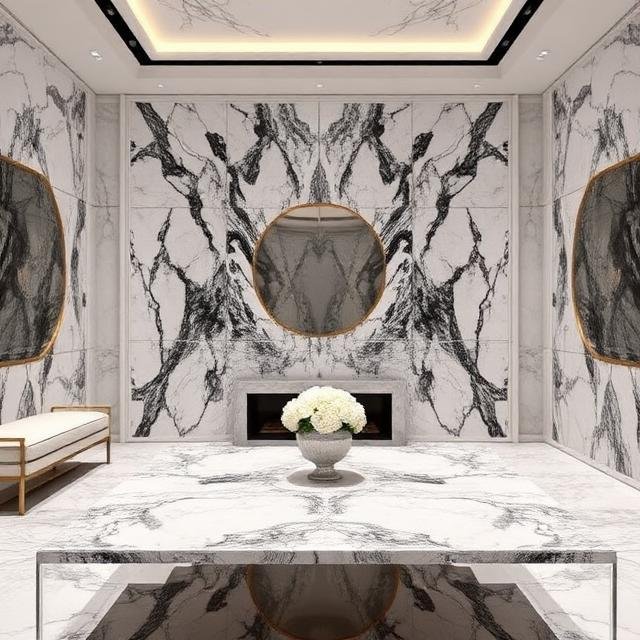
In this modern era, the interior design plays a vital role in the modern home. It can be flooring, fireplace surrounds, a living room, or a lobby; one wants to incorporate a luxurious stone to enhance the look of the home. To understand the use of specific marble for installation, “bookmatching” is the best option to know the pattern, color, and look.
The Mirror Effect: Bookmatching
If you are observed in the five-star hotel lobby, with any butterfly pattern in the marble, you are just looking like bookmatching.
What is bookmatching?
Bookmatching means the practice of matching two or more stones with adjoining surfaces so they mirror each other. This gives an impression of an open book. It can be achieved when two marble blocks are sliced into consecutive slabs; instead of polishing the same slab, the fabricator polishes slab x and the back of slab y.
The Fluid Flow: Slip-matching
For those homeowners who look for organic slabs with an architectural feel, there is slip matching.
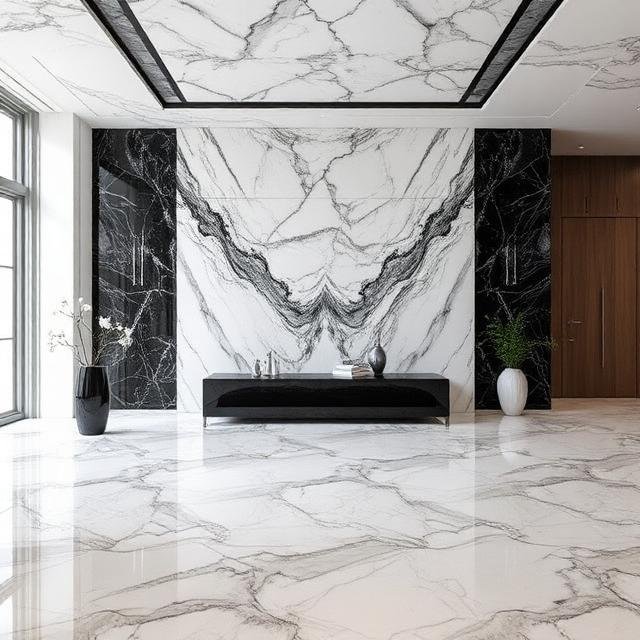
Slip-matching means it is the process where two slabs are placed side by side in the correct manner once they are sliced from the block with the same face polished.
Repetition without mirroring is the veins flowing in the same direction across the wall, creating a sense of movement like water flowing across a surface. It is sophisticated and perfect for long lobbies and featured walls.
Why It Matters
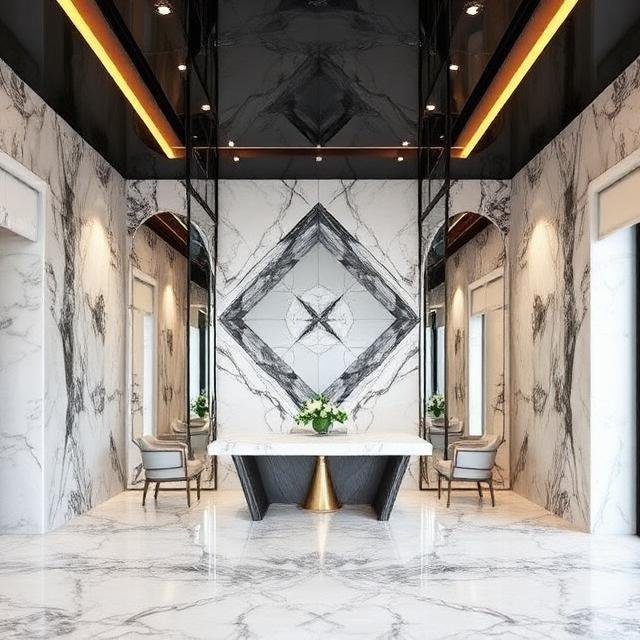
When you invest in Italian marble, you are not just purchasing the material. You are buying an old historical geological record material. The installation pattern is the story, whether you opt for the dramatic symmetry of bookmatch or rhythmic pulse. You are showing the modern design in the home.

