
Indian marble is an excellent choice for outdoor settings. Unlike other imported marbles, Indian marble is known for its high thermal heat resistance, allowing it to stay cool even in scorching sun.
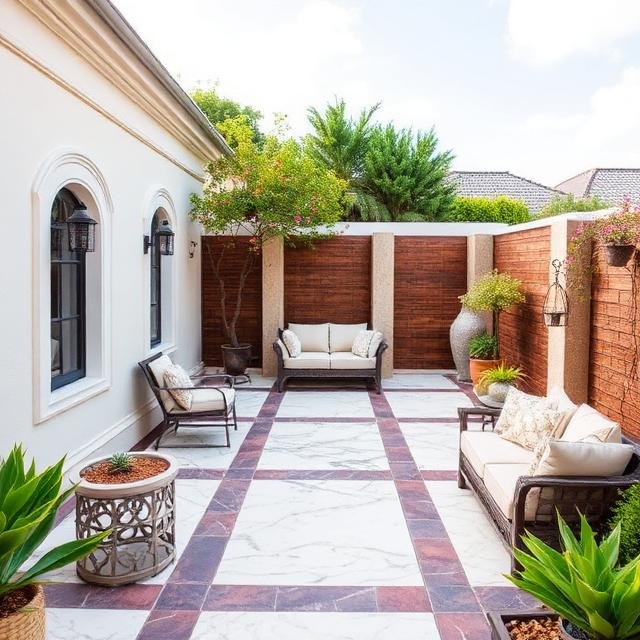
It’s dense in nature and also less porous, and it allows it to be more durable. Italian marble is softer than Indian marble; hence, it provides a cool surface for barefoot walking during hot summer seasons. It is suitable for all the tropical regions.
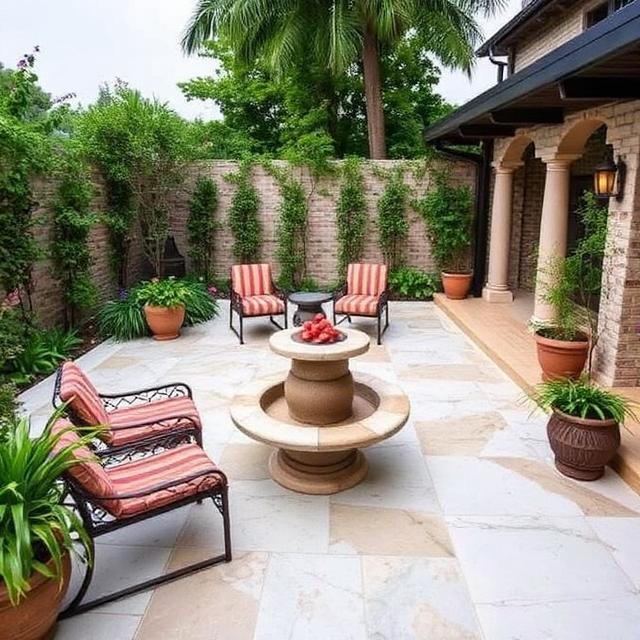
Why Indian Marble Wins for Outdoor Patios
Especially designing for outdoor patios, the main concern is often: will the stone be resistant to the hot sun, and will it burn the feet? Or it cracks during the hot summer season. Indian marble addresses these problems through its natural properties. Let us know why Indian marble wins for outdoor patios.
- High Thermal Strength: It absorbs the heat rapidly but dissipates it very slowly. It maintains the temperature significantly lower than the surrounding air.
- Extreme Durability: Indian marble’s most famous varieties, such as Makrana marble, are high-density stones. It is resistant to the expansion and contraction during changes in weather conditions.
- Low Porosity: As it is less porous in nature compared to other imported marble, it is highly resistant to moisture absorption and humidity and prevents internal weathering and cracks.
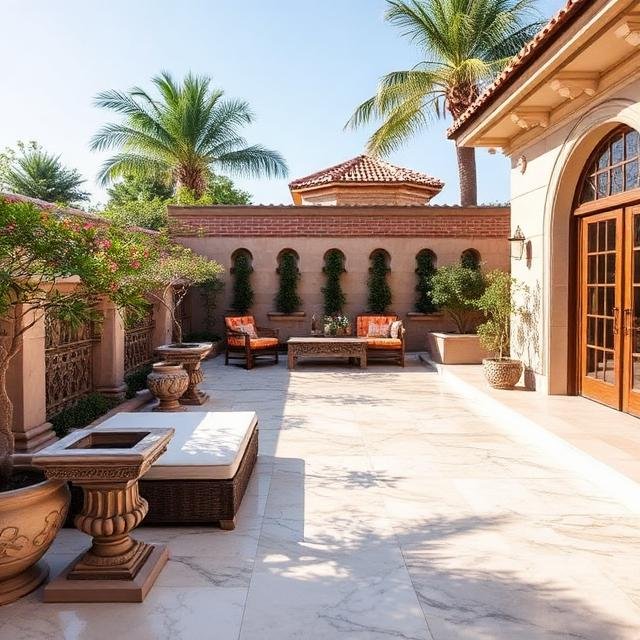
Top Heat-Resistant Indian Marble Varieties for 2026
Based on heat resistance and durability, we have listed the top picks for an outdoor patio:
| Marble Variety | Key Characteristic | Best Outdoor Use |
| Makrana White | World-famous for low porosity and high luster. | Open patios, luxury pool decks. |
| Udaipur Green | Extremely dense and chemically resistant. | Garden pathways, shaded courtyards. |
| Jaisalmer Yellow | Naturally “dust-hiding” and rustic. | Traditional-style patios, exterior walls. |
| Ambaji White | Budget-friendly with excellent heat performance. | Large-scale terrace flooring. |
Choosing the Right Finish
For outdoor patios, the finish of the marble plays a vital role. Usually, polished fine smooth finishes can be more slippery and reflect glare. Hence, opt for:
- Honed (Matte): Smooth, but it is reflective to light, and also it hides the cracks and scratches on the surface.
- Sandblasted: It gives a grainy texture for slippery resistance.
- Flamed: A rugged and raw look is perfect for high-grip walkways.
Conclusion
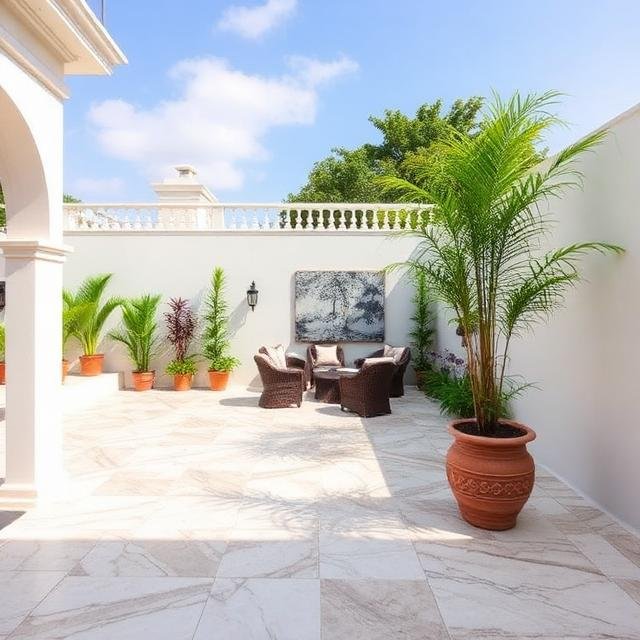
Indian marble remains a cost-effective, durable, and functional solution and the best option for outdoor patios. Choose the high-density Indian marble like Udaipur Green or Makrana marble with a honed finish. You can create a beautiful patio that not only provides a stunning look but also stays durable, is cool in the peak summer, hides the scratches, and gives a cooling effect to the feet. Furthermore, it requires a regulating sealing every year to maintain the outdoor marble intact, as it retains the structural integrity and beauty for centuries.
FAQs
Q: Does Indian marble fade in the sun?
A: The prolonged exposure to light might dull the surface; it is recommended to use a UV-protective sealant and choose a light color like beige or white shades to minimize the fading visibility.
Q: Is it better than Italian marble for outdoors?
A: Yes, Italian marble is softer and more porous compared to Indian marble. It is prone to cracks and scratches from harsh weather conditions. Indian marble is suitable for these kinds of weather conditions.
Q: How do I test if my marble needs resealing?
A: Sprinkle a few drops of water on the marble surface. If the water beads up, then it is good-quality marble; if the stone absorbs the water quickly, then it is high time to do resealing.

