
India is globally known for its premium-quality marble, especially the marble from the Rajasthan region. It produces exceptional quality marble, is dense, and is durable in nature.
While choosing Indian marble for exterior use, such as for elevations and wall cladding, the primary thing to consider is the stone density, water absorption, and weather resistance that can withstand drastic changes of weather conditions like UV exposure.
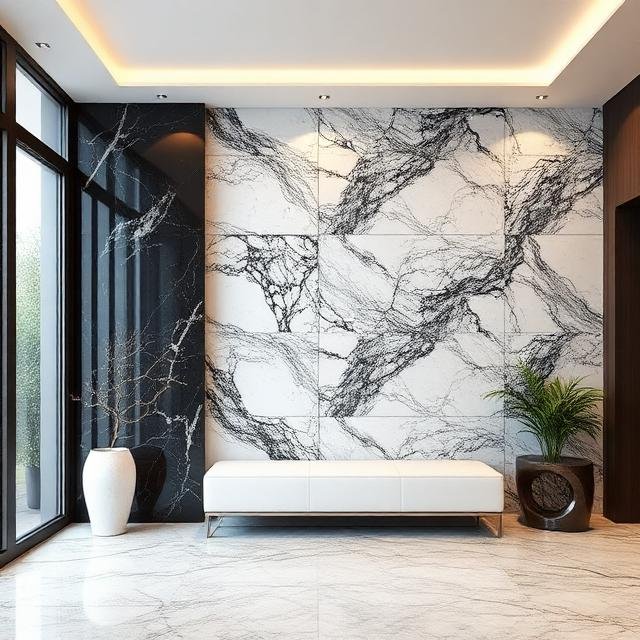
In this comprehensive guide, let us explore the best Indian marble for exterior wall cladding and elevations and also their technical specifications.
Category 1: High-Density & Ultra-Weather Resistant (The Gold Standard)
The marble, with a density of 2.55 to 2.70 g/cm³, has less water absorption, and it is best for elevations and the regions where there is extreme rainfall.
- Makrana Pure White: The renowned monument in India is the Taj Mahal. Makrana marble is used to construct the Taj Mahal, and it is nonporous in nature as it is composed of calcite. It will not turn yellowish with time, and it is highly resistant to chemical reactions and adverse weather conditions.
- Dungri Marble: It is another variety of Makrana marble. The Dungri marble is available in grey veins on a white background. Dungri marble has a high content of calcium carbonate; hence, it remains cool even in hot sun, and it is best for tropical regions.
- Albeta Marble: It is available in a milky white background, and the texture is smooth. It is highly durable in nature and is used in many historical Indian architectural monuments.
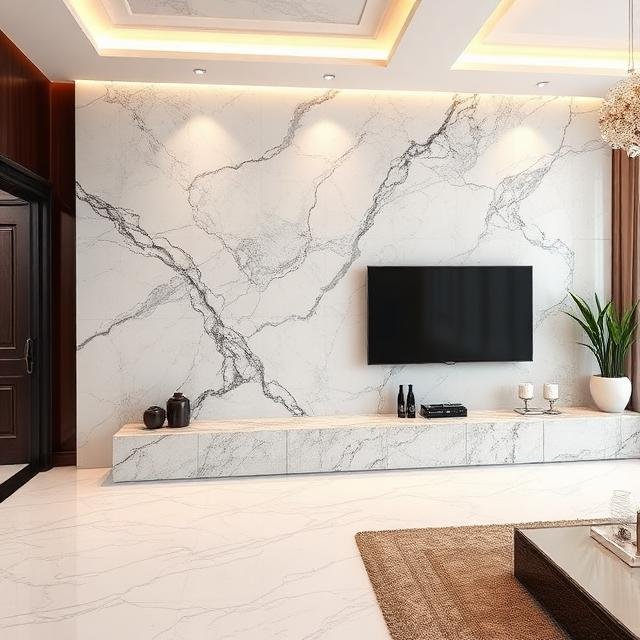
Category 2: Moderate Density & High Structural Stability
The marbles with moderate density offer a balance of aesthetic appeal and have highly compressive strength ranging from 70 to 140 N/mm².
- Ambaji White Marble: It is quarried from the Gujarat region. It has a fine-grain texture, and it is the best choice for vertical cladding.
- Jodhpur Pink Marble: It is often categorized with sandstone, and the marble is pink in color. It is dense in nature, and it is suitable for elevations due to its beautiful tone.
- Rainforest Brown/Green: These stones are quite hard in nature, and they offer a natural look and are highly resistant to the high weather condition changes.
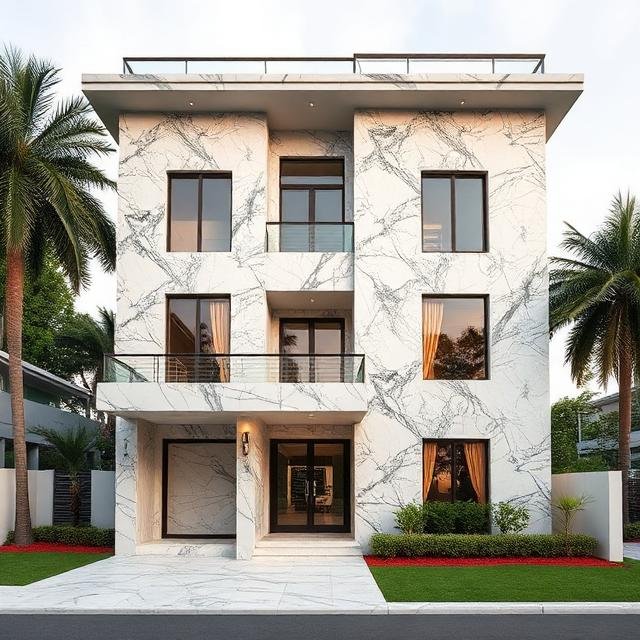
Category 3: Patterned Marbles for Feature Elevations
It is used in protecting exterior space where exterior design is a priority.
- Agaria White: It is known for its cross-vein pattern, and it is budget-friendly; also, it is best for modern residential elevation designs.
- Wonder White: The hard marble variety from Rajsamand district provides a consistent white background with less maintenance.
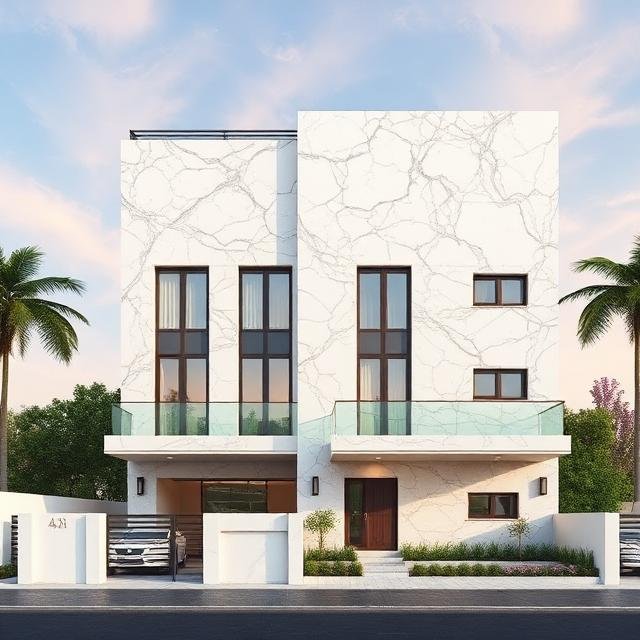
Technical Specifications Comparison Table
| Marble Variety | Density (g/cm³) | Water Absorption | Compressive Strength |
| Makrana White | 2.65 – 2.72 | < 0.15% | High |
| Ambaji White | 2.60 – 2.68 | < 0.50% | Moderate-High |
| Rainforest Green | 2.70 – 2.85 | < 0.20% | Very High |
| Rajsamand White | 2.55 – 2.65 | < 0.60% | Moderate |
Maintenance Tips for Exterior Marble Cladding
- Sealing: It is necessary to do the sealant regularly to prevent water absorption and stains.
- Dry Cladding: For exterior elevations, it is preferred over wet mortar to allow the stone’s natural thermal expansion.
- Periodic Cleaning: Always use pH-neutral cleaners to remove dust and dirt. Use microfiber cloths.
Conclusion
For exterior elevations, Makrana marble remains the undisputed leader due to its zero-porosity nature and historical track record.
For modern aesthetics, Rainforest and Ambaji marble offer excellent durability. Choosing stone based on density and water absorption will ensure the building facade remains pristine for decades.
FAQs
1. Is Indian marble better than Italian marble for exteriors?
Yes, Indian marble is harder and high-density in nature. It makes it far more suitable for harsh outdoor weather conditions and high traffic elevations.
2. Does white marble turn yellow outdoors?
The marble contains more calcium content and premium-quality calcite marble, like Makrana marble, and does not turn yellow with time. Interior grades with iron content and discoloration if it is not sealed regularly.
3. What is the best thickness for exterior marble cladding?
The thickness of 18mm to 30mm is recommended for exterior walls. It depends on the height of the building and wall cladding.

