
White Indian marble like Ambaji, Morwad, Makrana, and Banswara marble gives unmatched brightness and aesthetics to the Indian homes. However, the natural marble is porous in nature, and it is a calcium-based stone, and it acts like a rigid sponge. After a period of time, the exposure to monsoon dampness, plumbing problems, and household spills can cause yellow patches and dark moisture stains.
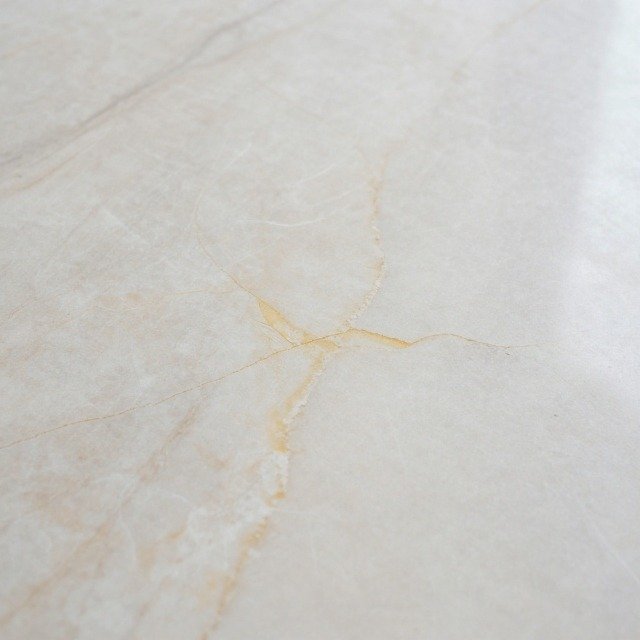
The good news is that White Indian Marble Turn Yellow is not a permanent mark; it can be diagnosed, the root cause can be determined, and safe extraction methods can be used that help you to restore the marble’s natural white glow without replacing the slabs.
Why Does White Indian Marble Turn Yellow?
Before treating the stone, identify what is causing the discoloration:
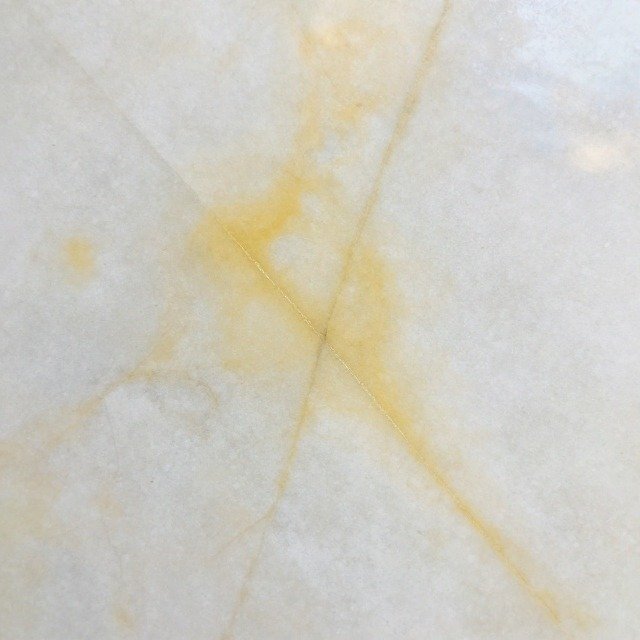
- Rising Damp & Sub-Slab Moisture: Water seeping up from a damp foundation, an unsealed bathroom, or a leaking pipe carries soluble salts and iron minerals to the surface, creating yellow-brown patches near walls and skirting.
- Iron Oxidation: Many Indian marbles contain trace iron minerals. When trapped moisture meets oxygen inside the stone, those minerals rust, leaving deep amber or rusty patches.
- Organic & Kitchen Stains: Spills from turmeric (haldi), tea, cooking oil, and diya ghee soak into unsealed pores and oxidize into yellow marks.
- Topical Wax & Chemical Buildup: Using acidic cleaners can cause etching on the stone, while cheap topical waxes turn yellow under heat and foot traffic.
Step-by-Step Guide to Treating Yellowing and Moisture Seepage
Step 1: Stop the Moisture Source First
No stain treatment will last if water continues to enter the stone from below or behind.
- Inspect adjacent bathrooms, kitchen sinks, exterior walls, and balconies for plumbing leaks or failing grout.
- Fix broken tile joints and waterproof wet-area thresholds.
- Allow the affected marble to air-dry completely. For ground-floor rising damp, this may take several days to a couple of weeks with good ventilation.
Tile Doctor
Step 2: Strip Old Wax or Surface Residue
If the yellowing looks like an even, dull film across high-traffic walkways, it’s likely degraded wax or detergent buildup.
- Clean the surface with a dedicated pH-neutral stone cleaner.
- If topical wax is present, use a non-acidic stone coating stripper to lift the yellowed layer before attempting deep stain extraction.
Step 3: Draw Out Deep Stains with a Poultice
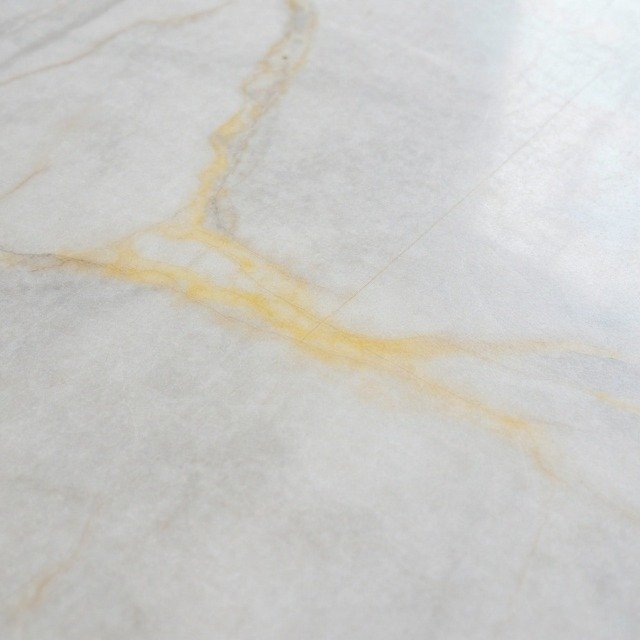
Because stains sit inside the marble’s pores, surface scrubbing won’t reach them. You need a poultice, an absorbent paste that pulls trapped discoloration upward as it dries.
- For Organic Stains (Haldi, Oil, Ghee, Damp Yellowing): Mix baking soda (or kaolin/bentonite clay) with 3% hydrogen peroxide (for white marble only) until it forms a thick paste like hung curd or peanut butter. Alternatively, use a ready-made stone poultice such as Aqua Mix poultice stain remover or Stonepro wet poultice.
- For Rust/Iron Oxidation Stains: Use a specialized iron-chelating stone poultice.
How to Apply the Poultice:
- Pre-wet the stained marble lightly with distilled water.
- Spread a 5 mm (¼-inch) thick layer of paste extending slightly past the yellow edges using a plastic spatula.
- Cover with plastic cling wrap, tape down the edges, and poke 4–5 small pinholes so moisture evaporates slowly.
- Leave it undisturbed for 24 to 48 hours until the paste dries completely into a chalky crust.
- Scrape off gently with a plastic scraper, rinse with clean water, and buff dry with a microfiber cloth. Repeat 2–3 times for stubborn stains.
Step 4: Seal with a Breathable Penetrating Impregnator
Once the stone is clean and 100% dry, protect it so moisture and spills can’t penetrate again.
- Never seal over damp or yellowed stone, as this traps moisture inside and worsens yellowing.
- Choose a breathable penetrating impregnator rather than a film-forming surface coating. Impregnators soak into the pores to block liquid water and oil while still letting trapped water vapor escape.
- Acidic Cleaners: Vinegar, lemon juice, nimbu floor cleaners, and bathroom acid descalers dissolve calcium carbonate, leaving permanent dull etch marks.
- Chlorine Bleach: Household bleach leaves yellow sodium salt residues and weakens the stone’s natural binders.
- Flood Mopping: Mopping with excess water pushes dirty mop water into grout joints and sub-slab bedding. Always use a well-wrung microfiber mop.
Conclusion
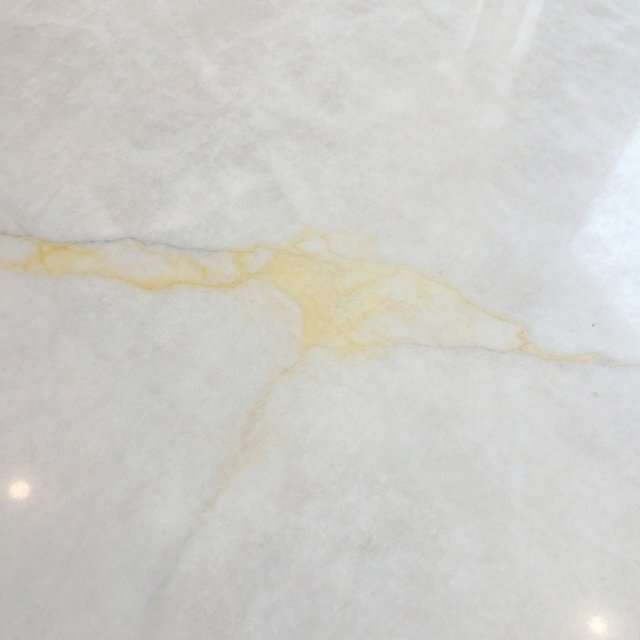
Yellowing and moisture seepage in white Indian marble can feel alarming, but they are rarely a death sentence for your floors or countertops. The secret to lasting restoration lies in treating the problem from the inside out: eliminate hidden water leaks first, allow the stone to dry thoroughly, draw out embedded discoloration with a gentle poultice, and lock out future moisture with a breathable penetrating sealer. Pair this with daily pH-neutral cleaning, and your Indian marble will stay bright and luminous for decades.
Frequently Asked Questions (FAQs)
1. Can yellowed white Indian marble be restored without grinding or replacing the slab?
Yes. Most yellowing caused by organic spills, wax buildup, or moderate moisture seepage can be reversed using non-acidic strippers and chemical poultices. Diamond grinding is only necessary if the surface is heavily etched or scratched.
2. How do I know if my marble needs resealing? Perform the 10-minute water drop test. Pour a few drops of plain water onto the marble. If the water beads up on the surface after 10 minutes, your sealer is intact. If the stone darkens and absorbs the water, it’s time to reseal.
3. Can I use baking soda and hydrogen peroxide on all types of marble?
Baking soda with water is safe for most marbles, though you should always do a small patch test first. 3% hydrogen peroxide should only be used on light or white marble—never on dark-colored marble or near gold-leaf mandir paint, as it can lighten or lift finishes.
4. Why did my yellow stain come back after cleaning?
Recurring yellow patches almost always point to an unresolved moisture source beneath the stone—such as rising ground damp, a leaking pipe, or wet bathroom grout. Until the moisture source is waterproofed and dried, capillary action will continue pulling minerals to the surface.
5. How long should a poultice stay on marble?
Leave a covered poultice on for 24 to 48 hours. The extraction happens as the paste slowly dries out and pulls impurities from the stone’s pores.

