
In the modern era, the interior architect design the luxury is no longer is defined from the glossy embellishments; instead, it is minimalist designs that evoke tactile organic warmth, serenity, and sophistication. Central to this paradigm shift is the rise of honed and matte-finish marble over the traditional velvety and aesthetic that creates a spa-like feel within the residential bathroom design.
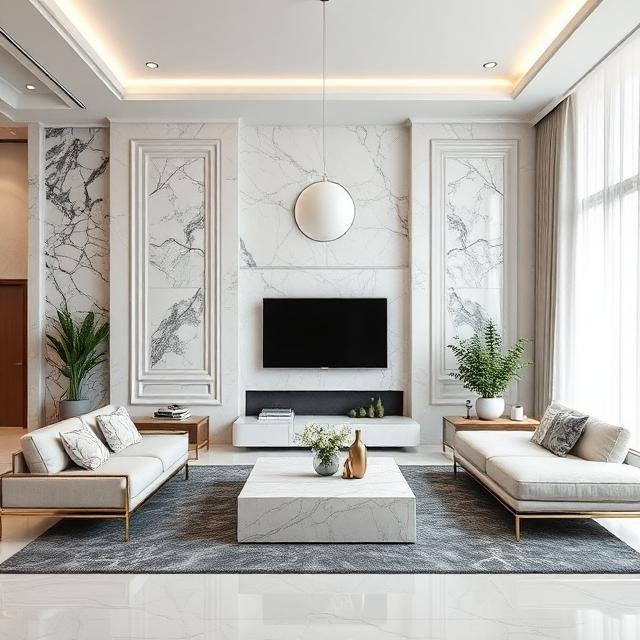
Understanding the Surface: Honed vs. Matte Finish Marble
It is often used to understand the technical difference between the matte and honed finishes that is most important for architectural specification.
- Honed Finish: it is created by grinding the marble’s surface with high-grit abrasive heads until it gets a smooth, flat, non-reflective plane with a soft satin glow. This helps to retain the natural texture of the stone without a glossy shine.
- Matte Finish: it is achieved through specialized acid-washing and sandblasting techniques, resulting in a completely non-reflective, flat, and ultra-tactile surface with heightened micro-texture.
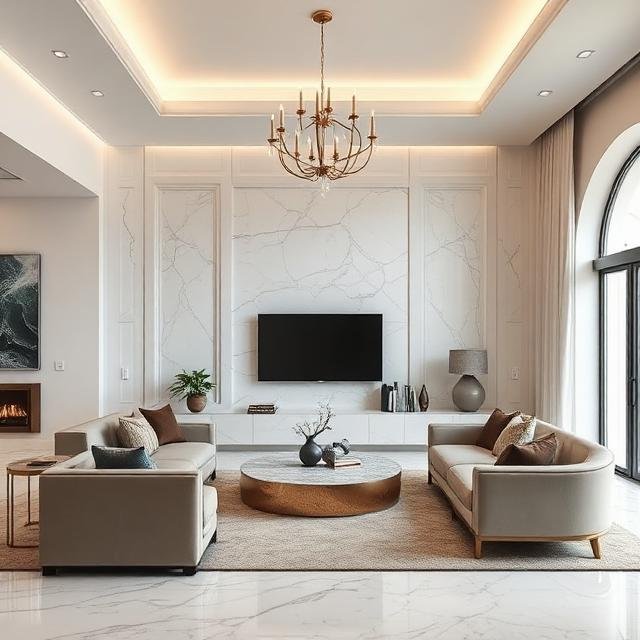
Why Matte and Honed Marble Dominate Minimalist Architecture
1. Soft Lighting and Visual Tranquility
The polished marble can be highlighted under the modern LED strip lighting or sunlight. The honed and matte surfaces diffuse the light evenly and soften the architectural lines and bring out the delicate organic veins of stones such as Carrara and Calacatta marble.
2. Elevated Tactile Experience
Minimalism depends on texture to create interest without the visual clutter. The smooth surface of marble can transform functional bathroom elements to custom integrated stone, floating vanities, and walk-in shower walls into inviting sensory touchpoints.
3. Superior Slip Resistance and Safety
Safety is the primary function for a wet environment. The polished marble is an excessive slipper in wet areas, while the honed and matte-finish marble maintains the higher fiction and makes them the perfect choice for wet areas and zero-threshold shower floors.
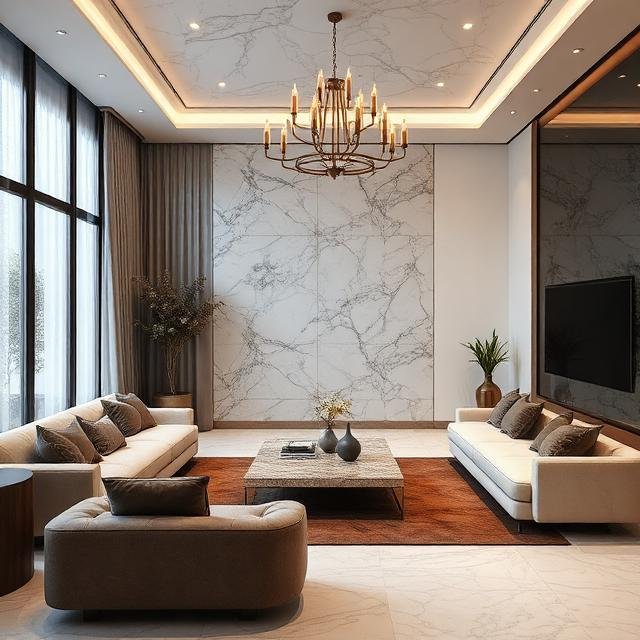
Design Strategies for Minimalist Matte Marble Bathrooms
Architectural Tip: Pair matte natural stone with warm, muted elements like brushed nickel or gunmetal fixtures, micro-cement walls, and natural light oak to prevent the space from feeling cold or sterile.
- Monolithic Stone Vanities: Specify mitered, floating vanities using honed Statuario marble with integrated ramps or hidden channel drains.
- Full-Height Slab Walls: Try to use large-format, honed marble slabs with book-matched veining to minimize grout lines and create seamless visual continuity.
- Texture Contrast: Combine fine-honed floor tiles with fluted or grooved matte marble wall panels to introduce subtle rhythmic patterns while maintaining a monochromatic palette.
Maintenance & Care Considerations
Because honed and matte marbles have open pores compared to polished stone, proactive sealing is mandatory. Apply a high-grade penetrating sealer (impregnator) every 12 to 18 months to protect against water, oils, and soap scum. For daily cleaning, avoid acidic solutions (such as vinegar or citrus-based cleaners) and use exclusively pH-neutral natural stone soaps.
Conclusion
Integrating matte and honed-finish marble into minimalist bathroom design elevates the space from standard utility to timeless architectural art. By embracing soft lighting diffusion, rich tactile surfaces, and functional slip resistance, designers can craft tranquil sanctuaries that stand the test of time.
Frequently Asked Questions (FAQs)
Q1: Is honed marble harder to maintain than polished marble?
Answer: While honed marble is slightly more porous and prone to absorbing liquids if unsealed, it is far more forgiving when it comes to scratches and etching. Acid etching on polished marble leaves dull spots, whereas on honed marble, minor etching blends seamlessly into the matte texture.
Q2: Can matte or honed marble be used inside walk-in showers?
Answer: Yes, absolutely. Honed marble is ideal for shower floors due to its enhanced slip resistance. However, proper waterproofing membranes underneath and continuous sealing are necessary to prevent deep moisture absorption.
Q3: Which marble varieties look best in a matte finish?
Answer: Classic whites with subtle grey veining like Carrara and Calacatta, as well as muted dark stones like Pietra Grey, Grigio Carnico, and honed Charcoal Black, look exceptionally sophisticated in matte finishes.

