
For century the glossy marble and mirror shine granite were the unchallenged benchmarks of luxury interior design. However, modern architecture and modern living have sparked an evolution. The top interior designers and homeowners are looking past high-shiny surfaces in favor of depth, character and organic authenticity.
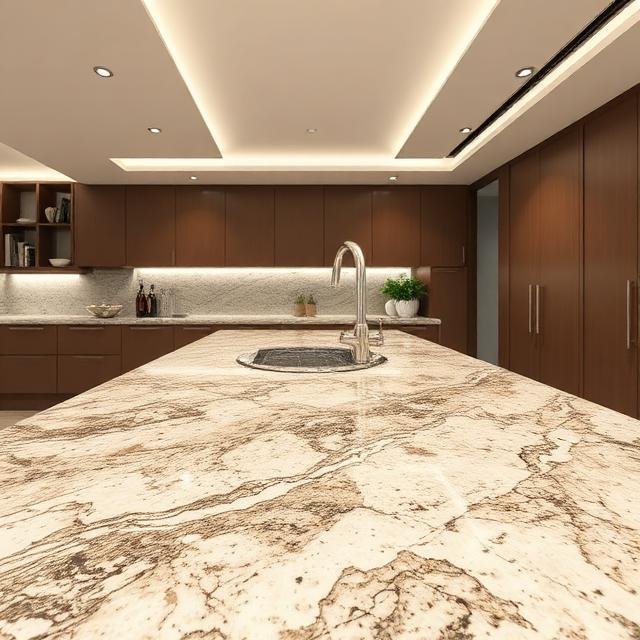
The textured stone finishes from velvety leathered quartzite to rugged hammered granite and linear fluted marble tactile surface treatments celebrate the raw geological history of natural stone while offering immense practical benefits for spaces.
Why Textured Stone Finishes Are Outpacing High-Gloss Polishes
Highly glossy surfaces reflect direct light which can create amplify fingerprints and accentuate acid-etching scratches on natural stone. Textured finishes shift the focus from reflection to tactile engagement and warm and quiet luxury.
- Concealing Daily Wear and Tear: Highly polished surfaces demand constant wiping to hide water rings, and dust. The matte and tactile textures naturally minor surface imperfections, making them perfect for high traffic environments.
- Dynamic Interaction with Light: Rather than bouncing harsh light across room, textured stone catches directional light to create soft highlights and micro shadows. This gives stone walls and countertops organic dimension that throughout the day.
- Enhanced Safety and Slip Resistance: Smooth and polished stone can become slick when it is wet. Applying tactile finishes to stone flooring and wet environments significantly increases traction without compromising aesthetics.
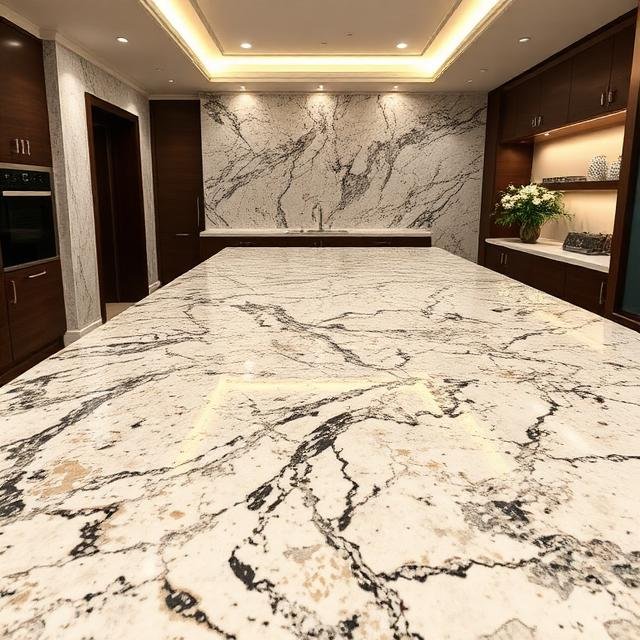
5 Popular Textured Stone Finishes and Where to Use Them
1. Leathered Finish
A matte finish is achieved by running diamond tipped brushes over a hone stone slab. This process removes soft particles while leaving micro contours behind.
- Texture: It is smooth to the touch with a subtle, undulating, matte sheen that feels like fine leather.
- Best Applications: Kitchen island countertops, bathroom vanities, and bar tops especially on granite, quartzite, and dark marble varieties.
2. Honed Finish
While not aggressively textured, a honed finish grounds a space with soft, low glare minimalism. It is created by grinding the natural stone to coarse abrasives to create a flat, satin matte surface.
- Texture: Silky smooth with zero mirror reflectivity.
- Best Applications: Modern living room flooring, bathroom wall tiles, and Scandinavian-inspired minimalist kitchens.
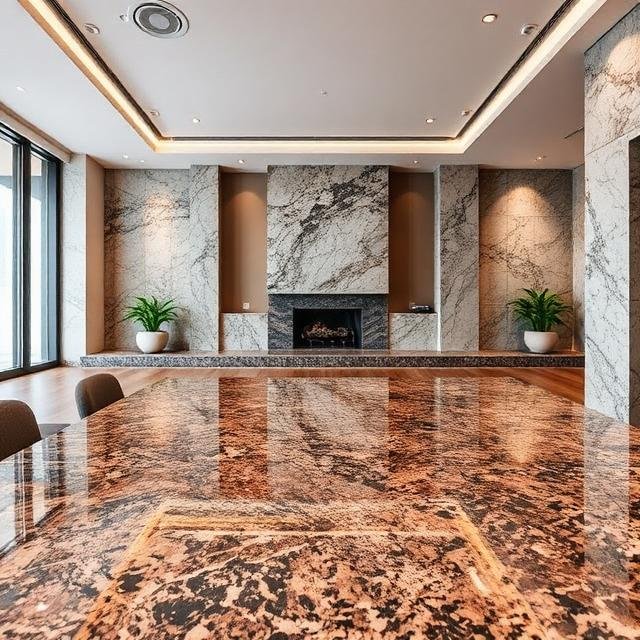
3. Bush-Hammered Finish
A mechanical bush-hammer repeatedly strikes the stone surface to break away tiny fragments, producing a uniform, weathered surface reminiscent of natural rock faces.
- Texture: Rough, pitted, and slip-resistant.
- Best Applications: Exterior cladding, patio paving, pool coping, and dramatic fireplace surrounds.
4. Fluted / Sculpted Finish
Fluting involves carving parallel vertical channels into stone slabs using CNC technology techniques.
- Texture: Architectural linear ridges that add bold physical rhythm.
- Best Applications: Custom kitchen island bases, shower accent walls, and commercial reception desks.
5. Flamed Finish
Subjecting stone to intense heat causes moisture inside the micro-crystals to expand and burst, revealing a rough, crystalline surface texture.
- Texture: Highly tactile, rugged, and completely non-reflective.
- Best Applications: Outdoor walkways, stone entry steps, and building facades (most commonly used on granite and hard limestone).
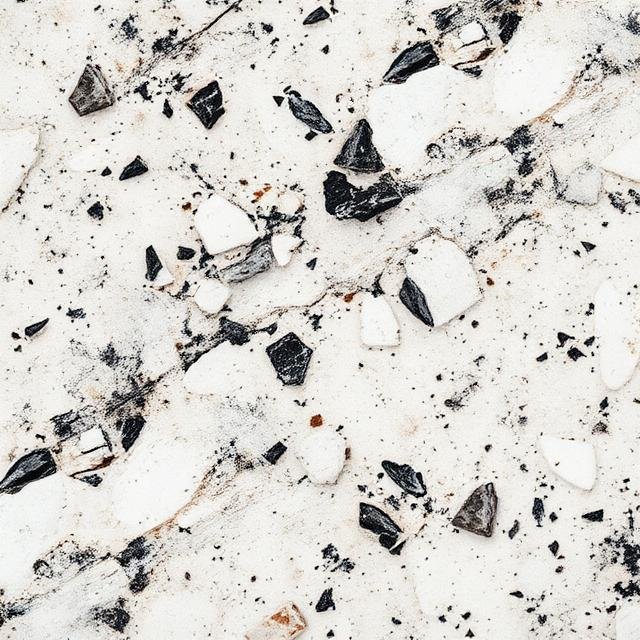
Combining Textures: The Perimeter and Island Strategy
You don’t need to choose just one finish for your entire space. A growing trend in custom home design involves mixing finishes to create visual contrast:
- The Focal Contrast: Pair a bold, leathered quartzite kitchen island with smooth, honed perimeter countertops to give your kitchen an artisanal anchor point.
- Material Harmonization: Combine a heavily textured fluted stone backsplash with a satin-smooth honed marble counter to keep the eye moving without creating visual clutter.
Maintenance and Care for Textured Stone
Contrary to popular belief, textured stone surfaces are straightforward to care for:
- Seal Properly: While leathered and honed stone hide smudges well, their opened pores require a quality impregnating sealer to guard against stain absorption.
- Use pH-Neutral Cleaners: Avoid acidic cleaners like vinegar or bleach. Stick to non-abrasive, pH-balanced stone soaps and soft microfiber cloths.
- Dust Deep Textures: For deeply pitted finishes like bush-hammered or fluted stone, use a soft bristle brush or vacuum attachment during routine cleaning to keep dust out of small crevices.
Conclusion
The shift away from high-gloss polishes toward textured stone finishes reflects a broader movement toward authentic, tactile, and livable interior design. Whether you opt for the soft touch of leathered granite or the architectural drama of fluted marble, textured surfaces allow the true geological character of stone to shine while effortlessly supporting modern lifestyles.
Frequently Asked Questions (FAQs)
Are textured stone finishes harder to clean than polished stone?
Not necessarily. While deeply pitted finishes like bush-hammered stone require occasional dusting with a brush, everyday tactile finishes like leathered and honed stone are actually easier to maintain day-to-day because they hide fingerprints, water spots, and smudges.
Is leathered stone more expensive than polished stone?
Leathering requires additional fabrication steps using specialized diamond-tipped brushes, which can add a modest premium (typically 10–20%) to the overall fabrication cost compared to standard polished slabs.
Does a leathered or honed finish alter the color of the stone?
A honed finish slightly softens or lightens stone color due to the lack of surface gloss. A leathered finish typically preserves deep, rich colors while muting surface glare, making the natural veining appear richer and more three-dimensional.

