
In the modern era, it is more dominated by the fast-moving fashion cycles and disposable interior trends, modern architecture field is undergoing with major shift. Homeowners, interior architects, and interior designers are increasingly thinking of the full life-cycle impact of building materials. While synthetic and engineered surface materials have surged in popularity due to low upfront costs. They fail the long-term sustainability test.
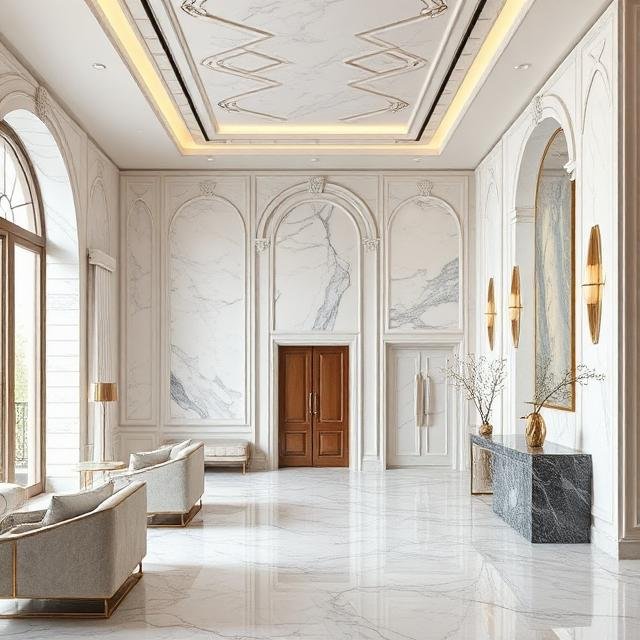
Enter natural stone: granite, quartzite, and limestone. As one of humanity’s oldest building components, natural stone stands as a hallmark of sustainable interior design, owing primarily to its unmatched structural integrity, minimal processing footprint, and near-infinite lifespan.
1. The Earth-Made Advantage: Minimal Embodied Energy
Unlike the manufactured composite stone like quartz or ceramic tiles, the natural stone is created entirely by geological processes over millions of years. It requires zero synthetic resins, petrochemical binders synthetic baking processes during creation. The primary energy in natural stone production starts from quarrying, cutting, polishing and finishing.
When evaluated using Life Cycle Assessment parameters, high quality natural stone yields significantly lower embodied energy per year of service compared to short lived synthetic surfaces that require replacement every 15 years.
2. Unrivaled Lifespan: Centenary Endurance vs. Replacement Cycles
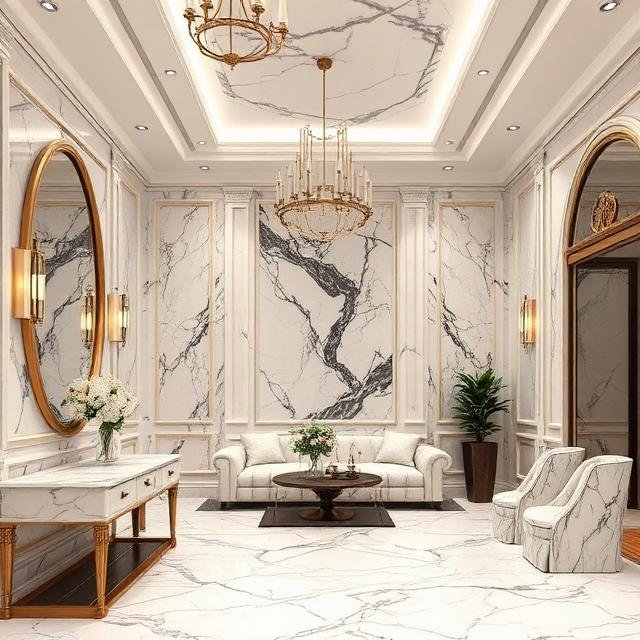
The defining sustainability attribute of natural stone is its lifespan. While synthetic countertops and laminates chip, yellow under UV exposure, under thermal stress natural stone gracefully ages. Historic monuments, centuries-old European estates and classic heritage interiors demonstrate that stone surfaces withstand heavy traffic, and fluctations in temperature for over a century.
| Surface Material | Avg. Lifespan | Recyclability / Circularity | Maintenance & Refinishing | 100-Year Replacement Cycle |
| Natural Stone (Granite/Marble) | 100+ Years | 100% Recyclable / Reusable | Can be re-polished, re-honed, repaired in-situ | 0 Replacements Needed |
| Engineered Quartz | 15–25 Years | Non-recyclable (resin matrix) | Difficult to repair; sensitive to heat/UV | 3 to 5 Replacements |
| Laminate / Vinyl | 7–12 Years | Landfill bound (Plastics/VOCs) | Non-repairable once damaged | 8 to 12 Replacements |
| Porcelain Slabs | 25–40 Years | Crushed aggregate downcycling | Chipping requires full slab replacement | 2 to 4 Replacements |
3. Circularity and In-Situ Restorability
Most modern interior materials follow a linear “take-make-waste” model. When an engineered countertop scratches, scorches, or fractures, it is typically ripped out and consigned to a landfill. Natural stone, conversely, adheres seamlessly to circular economy principles:
- Restorability: Etches, scratches on marble or quartzite can be buffed, honed, and re-sealed on-site without removing the slab.
- Adaptability: Salvaged stone slabs can be re-cut into floor tiles, vanity tops, or decorative wall features during renovations.
- Zero Toxic Off-Gassing: Being 100% natural, stone produces zero Volatile Organic Compounds (VOCs), maintaining clean indoor air quality (IAQ) throughout its operational lifetime.
Conclusion
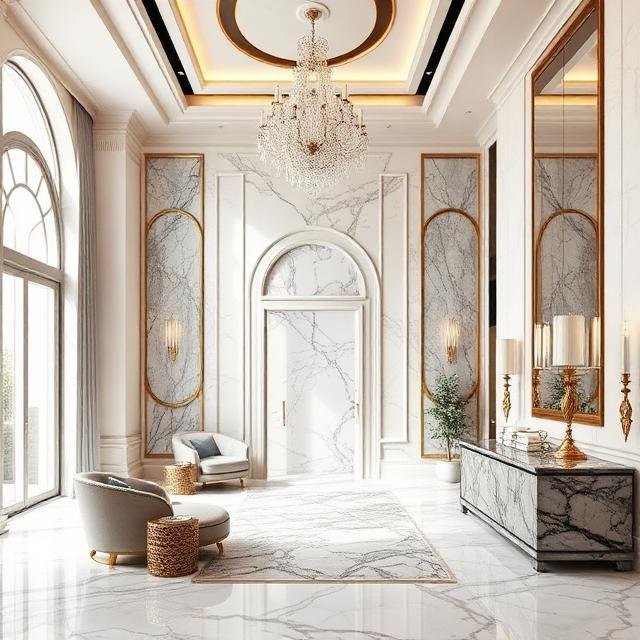
Sustainable interior design is not merely about choosing materials labeled “green”it is about investing in longevity, restorability, and timeless authenticity. Natural stone represents the apex of sustainable luxury: a material forged by nature that minimizes landfill waste, reduces lifecycle emissions, and retains structural elegance for generations. Choosing stone is a definitive commitment to building for the future.
Frequently Asked Questions (FAQs)
Q1: Is natural stone more eco-friendly than engineered quartz?
A: Yes. Engineered quartz contains roughly 7–10% synthetic resin binders derived from petrochemicals and requires energy-intensive manufacturing. Natural stone is a pure geological material with no synthetic additives and far greater recyclability.
Q2: How does the carbon footprint of natural stone compare to other surfaces?
A: When calculated across its full 100+ year operational life, natural stone has a lower carbon footprint per year than almost all synthetic alternatives due to zero replacement requirements and minimal processing energy.
Q3: Can natural stone be recycled at the end of a building’s lifecycle?
A: Absolutely. Natural stone can be reclaimed, resized for new architectural elements, crushed for terrazzo, or repurposed into landscape features, making it a completely circular building material.
Q4: How do sealant requirements impact natural stone’s sustainability profile?
A: Modern eco-friendly, water-based non-toxic sealers protect stone surfaces for 10–15 years without emitting harmful VOCs, ensuring both longevity and healthy indoor air quality.

