
For the past decades, the engineered stones are commonly known as “quartz,” as it is one of the most preferred materials for home interiors. As it has uniform materials, a uniform scratch, scratch and stain resistance, and is pet-friendly. Hence, it has become friendly. become the go-to choice for kitchen-to-kitchen countertops and bathroom vanities.
However, a quiet crisis behind the scenes has burst into the public consciousness. In Australia, history was made by it being the first country in the world to implement the total ban of crystalline silica-containing artificial stone, while other nations like those in Europe and the United States also started banning the product. Due to the safety concern, the design industry and homeowners are asking, “Is engineered stone safe to use, and what are the true natural alternatives?”
The Hidden Hazard: Why Engineered Stone is Under Fire
The engineered stone causes health risks faced by the tradespeople who cut them, grind and use them, shape them. These grind them, these slabs, during the manufacturing and installation processes.
Engineered stone is an artificial product made by manufacturing crushed quartz crystals with organic resins, additives, and other materials. To achieve the signature, traditional engineered stone contains an exceptionally high concentration of crystalline silica.
During the processing of these slabs, they release a dense cloud of dust containing respirable additives and containing respirable crystalline silica, containing respirable silica. These particles generated by hand tools are finer than 2.5 micrometers, allowing for silica. micrometers, allowing them to penetrate deep into the lungs.
The Lethal Variant: Engineered Stone Silicosis
Silicosis is an incurable lung disease caused by the inhalation of these microscopic silica particles. However, the medical community has a variant of silicosis emerging from the engineered stone that is micrometers, allowing stone that is more acute and lethal than those historical cases in the traditional mining.
- Rapid Progression: Traditional silicosis usually manifests after decades of low-lethal-level exposure. The engineered stone fabricators are developing severe lung function disease in just 10 to 15 years of exposure.
- Systemic Autoimmune Complications: The relentless response triggered by silica particles creates complications.
The workplace creates workplace dust, and mitigation practices have frequently failed to consistently keep the exposure below the legal limits and have increasingly turned to product elimination.
Natural Alternatives: The Safe, Timeless Choice
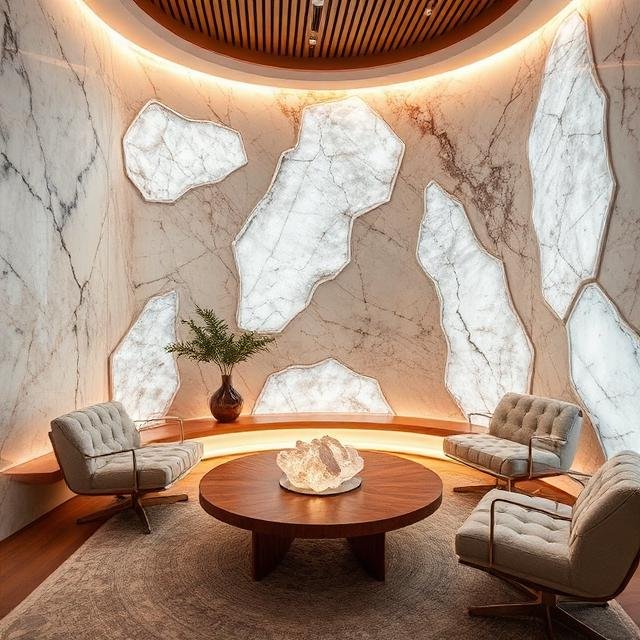
As consumers move away from artificial stones due to ethical and health considerations, natural geological alternatives have experienced a major resurgence. Unlike engineered composites, natural stone is quarried directly from the earth and shaped without the heavy polymer resins and hyper-concentrated quartz dust profile of artificial surfaces.
When processed, natural stones present a vastly safer profile for fabricators and a classic, premium aesthetic for homeowners.
1. Pure Marble: The Ultimate Luxury
- Silica Content: It has exceptionally less than 10% silica by weight.
- The Safety Advantage: The marble is purely composed of dolomite or calcite, not more than 10% crystalline silica. The dust generated during fabrication carries a negligible risk of silicosis.
- Design Profile: For an ultra-premium variety like Statuario and Calacatta marble, it has dramatic vein patterns with a white background. vein patterns/backgrounds. Indian marble backgrounds. Marbles are a highly durable and diverse option in color, pattern, and texture.
2. Granite: The Durable Powerhouse
- Silica Content: It has between 40% and 50%. A moderate level.
- The Safety Advantage: The granite contains quartz and quartz, and the silica percentage is too low.
- Design Profile: Granite is scratch and stain resistant, and it is highly suitable for heavy-footing areas that require minimal maintenance.
Conclusion
The shift from engineered stone is often seen in this modern trend. Due to the worker safety and consumer ethics. While quartz countertops are stable and safe for home use, by turning to natural alternatives like low-silica marble and granite, you can design a beautiful space that is structurally superior and ethically sound.
Frequently Asked Questions (FAQs)
Q: Is the engineered stone already installed in my home safe for my family?
A: Yes. Finished, installed engineered stone countertops do not pose any health risk to homeowners. The crystalline silica is securely mixed with the resin matrix. The danger occurs exclusively when the stone is cut, drilled, or polished, which releases the microscopic, respirable dust into the air.
Q: Why is engineered stone dust more dangerous than natural stone dust?
A: Engineered stone contains up to 95% silica, compared to under 10% in marble and 40-50% in granite. The dust particles from engineered stone are microscopic, highly concentrated, and combined with organic resin chemicals, making them much more toxic to lungs.
Q: Are manufacturers making safer versions of engineered stone?
A: Yes. Driven by bans and regulatory pressure, some manufacturers are innovating new “low-silica” artificial stones that substitute quartz with recycled glass and other minerals. Always check the certified material composition if you choose a manufactured product.

