
In modern luxury interior design the interplay of material textures creates depth character and tactile intrigue. Among the most enduring and sophisticated combinations is the intentional pairing of natural stone such as granite, quartzite, limestone, and onyx with metallic elements like brass, brushed matte black steel, copper, and rose gold.
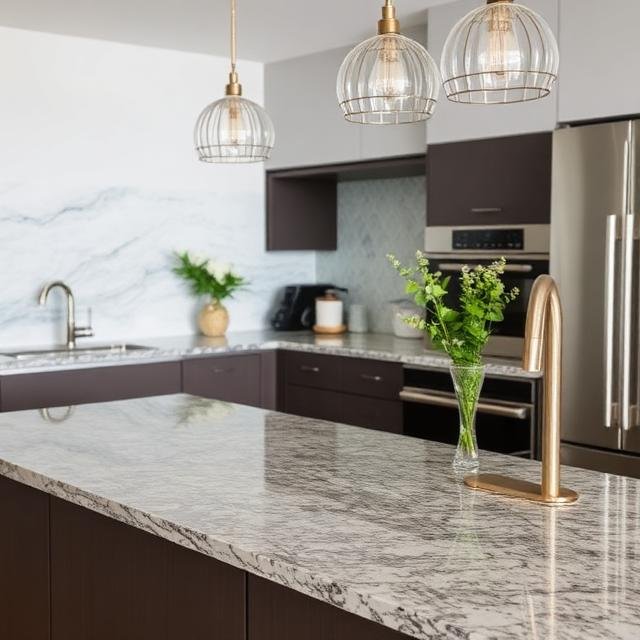
Historically, interior design favored uniformity: polished chrome paired exclusively with light marble or warm antique brass paired with muted travertine. However, contemporary decor paradigms embrace multimetallic palettes and varied stone veins to build layered, curated spaces that feel bespoke rather than showroom standard.
The Core Principles of Pairing Metals & Natural Stones
1. Establish a Dominant Metal and an Accent Metal
The cardinal rule of mixing metals with stone is avoiding equal visual proportions. Establish a primary metal that covers roughly 60% to 70% of the metallic hardware (e.g., faucets, cabinet pulls) and layer a secondary accent metal (30% to 40%) in items such as light fixtures, mirror frames, or decorative accents.
2. Harmonize Temperature and Tone
Natural stone provides the tonal foundation for the room:
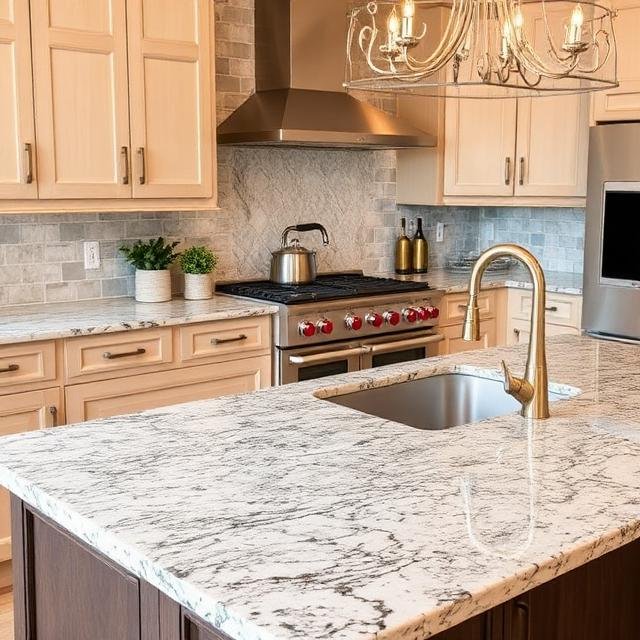
- Cool-Toned Stones (e.g., Carrara, Statuario, Grey Quartzite): Warm metals like brushed brass, polished bronze, or gold create a striking, sophisticated contrast. Alternatively, pairing cool stones with polished nickel or chrome offers a clean, Scandinavian aesthetic.
- Warm-Toned Stones (e.g., Travertine, Crema Marfil, Golden Spider Marble): Cool metals like matte black, gunmetal, or stainless steel provide grounding balance, preventing the space from feeling overly warm or monochromatic.
- Dramatic High-Contrast Stones (e.g., Nero Marquina, Calacatta Gold, Green Onyx): These stones inherently feature bold veining. Match metals directly to the subtle undertones found in the stone’s veining for an ultra-cohesive look.
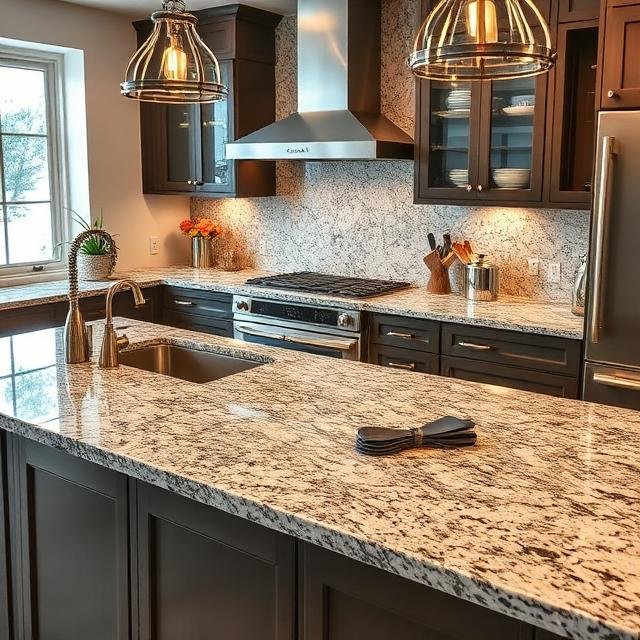
Pro Tip: Finish Matching & Texture Contrast Balance polished stone surfaces with brushed, matte, or hammered metal finishes. If your marble countertop is high-gloss polished, choose brushed brass or matte black hardware to prevent overwhelming glare and reflectivity.
Application Guide: Room-by-Room Execution
Luxury Kitchens
In the kitchen, combine a high-impact Statuario or Calacatta marble island with matte black main cabinetry hardware and an elevated brushed brass bridge faucet. The matte black grounds the high-contrast stone, while the brass highlights warm vein details.
Spa-Inspired Bathrooms
Pair travertine or soft limestone floating vanities with deep bronze wall-mounted fixtures. Layer in polished nickel-framed mirrors and lighting sconces to add brightness against earthy stone textures.
Frequently Asked Questions (FAQs)
Q: Can you mix more than two metal finishes with natural stone in one room?
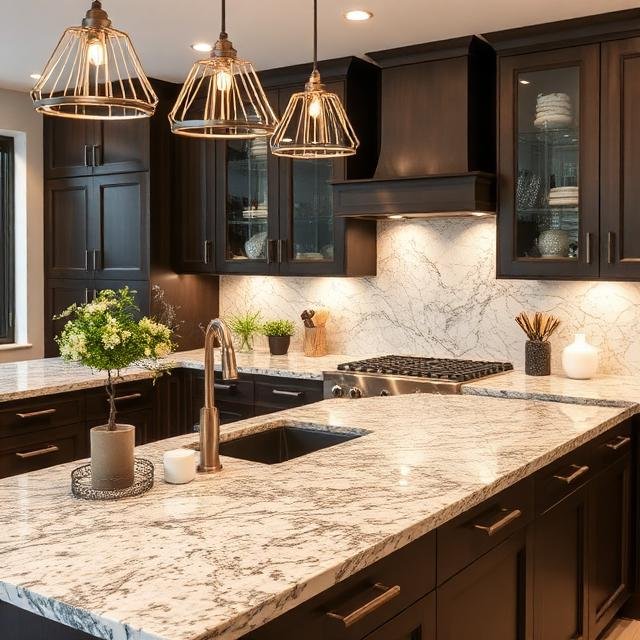
A: Yes, but keep it structured. A maximum of three metals works best: one primary (e.g., matte black hardware), one accent (e.g., brass light fixtures), and one micro-accent (e.g., chrome or stainless appliances/plumbing). Ensure the stone anchors all three tones.
Q: Which metal finishes best complement dark stones like Nero Marquina or Black Granite?
A: Polished brass and warm gold create a dramatic, luxurious contrast against black marble. Matte black provides a sleek monochromatic feel, while polished nickel adds an elegant silver flash without looking harsh.
Q: How do finish textures (matte vs. polished) affect metal and stone pairing?
A: Texture contrast creates harmony. Honed (matte) marble pairs beautifully with polished brass or chrome, whereas polished marble benefits from low-sheen metals like brushed brass, oil-rubbed bronze, or matte steel.
Q: Is brass still in style when paired with marble?
A: Absolutely. Modern warm brass (especially brushed or unlacquered variants) has become a classic element when paired with white marble, offering warmth that prevents marble surfaces from feeling clinical.
Conclusion
Mixing metals with natural stone is an art of thoughtful balance. By establishing dominant and accent tones, honoring the natural temperature of the stone, and experimenting with tactile finish contrasts, you can craft spaces that are rich, harmonious, and timeless.

