
For thousands of years, marble stone has stood as the most preferred choice, and it is the symbol of luxury and architectural brilliance. From the majestic pillars of ancient Rome to the sleek countertops of contemporary kitchens, the natural stone remains highly coveted by the architects, homeowners, and interior designers.
What exactly makes the marble very special, and how do you integrate it into your residential space? Let us explore the types, benefits, geology, and maintenance of the iconic natural stone.
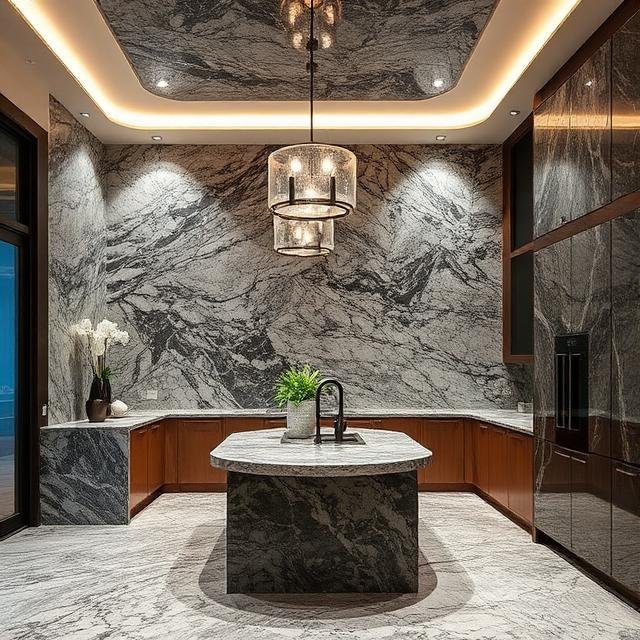
What is marble? Understanding the Science
Geologically speaking, marble is metamorphic rock. Its life starts as sedimentary limestone, and over the millions of years, the intense heat and crushing pressure deep within the earth’s crust force the limestone to recrystallize.
This process is called metamorphism. The minerals interlock to form a dense crystalline structure. The signature veins that marble is famous for are mineral impurities such as sand, iron oxides, and clay that were trapped inside the limestone as it transformed.
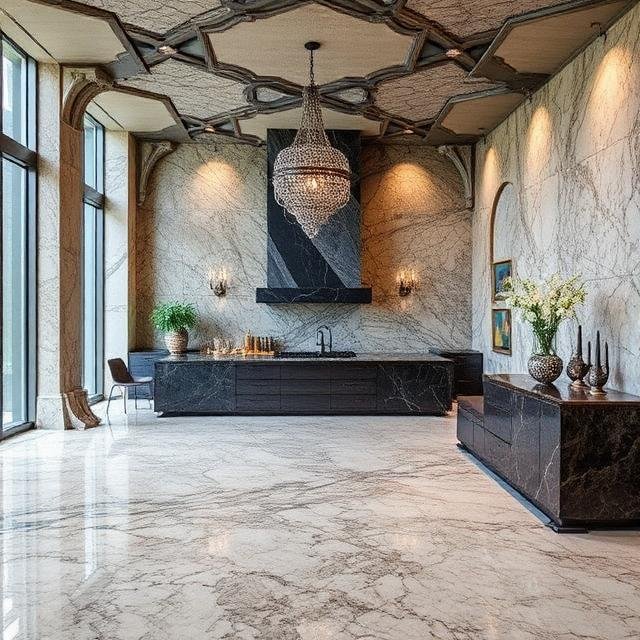
Popular Types of Marble
THe marble is quarried all over the world but in few distinct you will find the varieiteis and it has exceptional quality and striking appearance.
- Carrara Marble: The hailing from italy this is one of the most common and highly prized marble and it is typically features a white to grey background with delicate feathery veins
- Calacatta Marble: It is often confused with Calacatta, Carrara and is much rarer and more luxurious. It is showcases a stark white backdrop contrasted by thick and dramatic gray and gold veins.
- Emperador Marble: A stunning Spanish variety that comes in various shades of brown, accompanied by heavy, erratic white and beige veining.
- Nero Marquina: A dramatic black marble from Spain with striking white veins, perfect for making a bold design statement.
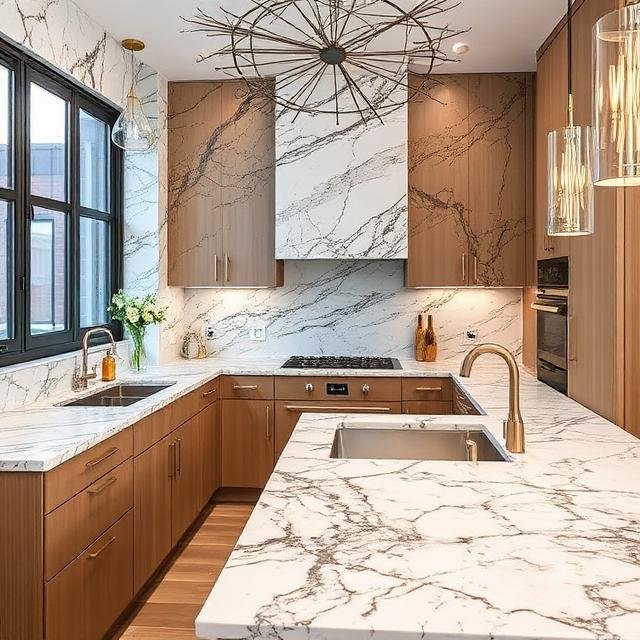
Top Applications in Interior Design
Marble is incredibly versatile and can be applied to various areas of a home to instantly elevate its aesthetic appeal.
Bhutra Marble
| Application | Best Uses & Considerations |
| Flooring | Creates an expansive, light-reflective, and upscale atmosphere. Best for entryways and living areas. |
| Countertops | Ideal for bathrooms and kitchen islands. Naturally heat-resistant, though requires careful protection from acids. |
| Wall Cladding | Used in showers or as fireplace surrounds to introduce texture and drama. |
| Accent Furniture | Coffee tables, side tables, or floating shelves serve as functional art pieces. |
The Pros and Cons of Choosing Marble
Before investing in marble, it is necessary to weigh its functional characteristics against its aesthetic value.
The Advantages
- Unmatched Beauty: Because two slabs are exactly alike and every marble installation is completely unique work of art.
- Heat Resistance: Marble does not easily catch fire, making it excellent for fireplaces and kitchen spaces.
- Natural Coolness: The stone stays naturally cool to the touch, which can help keep indoor spaces comfortable in warmer climates.
- Longevity: After being sealed and cared for properly, marble can last for centuries.
The Drawbacks
- Porosity: Marbles are porous stone, meaning they can absorb liquids. Spills like red wine, or oil can leave permanent stains if not wiped up immediately.
- Acid Sensitivity: Marble is highly alkaline (calcium carbonate based). When it comes into contact with acids like lemon juice, vinegar, a chemical reaction occurs that dulls the surface, a process known as etching.
- Scratch Susceptibility: It is softer than granite, and it makes it easier to scratch with metal utensils or heavy objects.
How to Maintain and Clean Marble Surfaces
Keeping your marble looking pristine doesn’t have to be overwhelming. By Incorporating the basic practices into your routine:
- Seal Regularly: Apply a high-quality sealer upon installation and reapply it every 6 to 12 months to block out liquids and stains.
- Use pH-Neutral Cleaners: Always avoid harsh chemical cleaners, or bleach. Instead, opt for a mild, pH-neutral soap or specialized stone cleaner diluted with warm water.
- Blot, Don’t Wipe: If a spill occurs, blot it instantly with a soft microfiber cloth rather than wiping it, which may further cause the liquid to spread further across the stone.
- Protect the Surface: Use coasters under glasses, trivets under hot pans, and cutting boards for food prep to safeguard the finish.
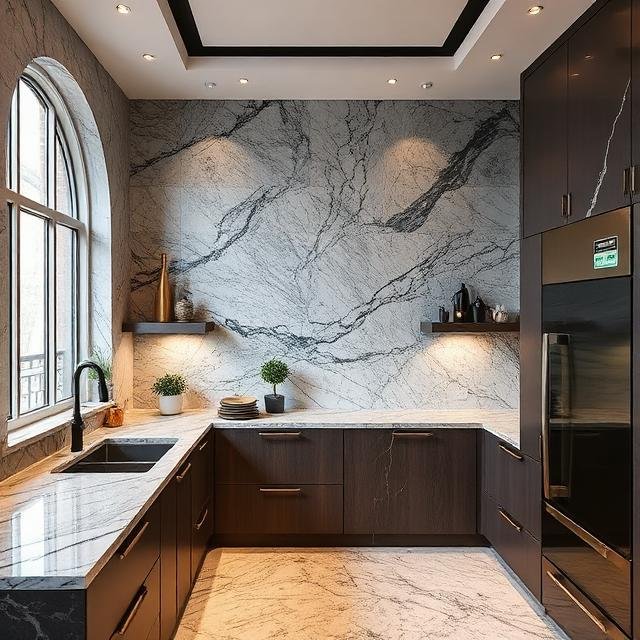
Conclusion
Marble remains one of the premier luxury materials available, seamlessly blending natural history with timeless design flexibility. While it requires a bit more care and attention than synthetic alternatives, the organic warmth, brilliant light reflectivity, and prestige it brings to a home are unmatched. By understanding its characteristics and committing to routine care, your marble surfaces will continue to look stunning for generations to come.
Frequently Asked Questions (FAQs)
1. Is marble suitable for kitchen countertops?
Yes, marble can be used for kitchen countertops, but it requires mindful usage. Because it is prone to staining and etching from acidic foods like lemons and tomatoes, many homeowners prefer it for low-impact areas like kitchen islands or baking stations rather than heavy-prep zones.
2. What is the difference between marble etching and staining?
A stain occurs when a liquid penetrates the porous surface of the marble, leaving a discoloration behind. Etching is a chemical burn that happens when acid eats away at the top layer of the stone, creating a dull, rough spot on the polished finish.
3. How often does marble need to be sealed?
Generally, marble surfaces should be sealed once every 6 to 12 months, depending on how frequently the area is used. You can test if it needs sealing by dropping a small amount of water on the surface; if the water beads up, the sealer is working. If it absorbs and darkens the stone, it’s time to reseal.
4. Can scratched or etched marble be repaired?
Minor scratches and light etching can often be polished out using specialized marble polishing powders or compound creams. For deep scratches, cracks, or heavy damage, it is best to hire a professional stone restoration expert to grind and repolish the surface.

