
In the increasing digital world, the disconnect between human beings and the natural stone has never been pronounced. As we spend 90% of our lives indoors, architects and interior designers are turning to biophilic design, an architectural philosophy rooted in our innate biological need to connect.
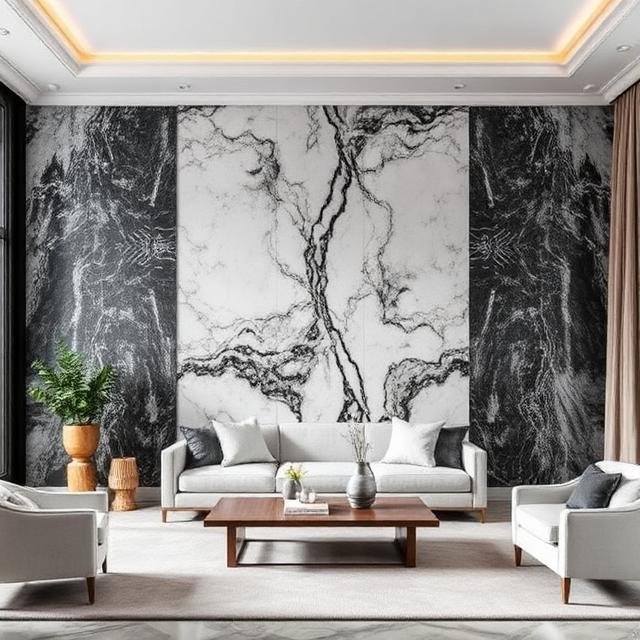
The living walls and indoor plants are expressions of this movement, one of the most powerful, enduring ways to incorporate biophilia into residential architecture through natural stone. From organic marble veins to tactile slate textures, natural stone acts as a visual bridge between our built interiors and the natural environment.
1. The Psychology of Natural Materials
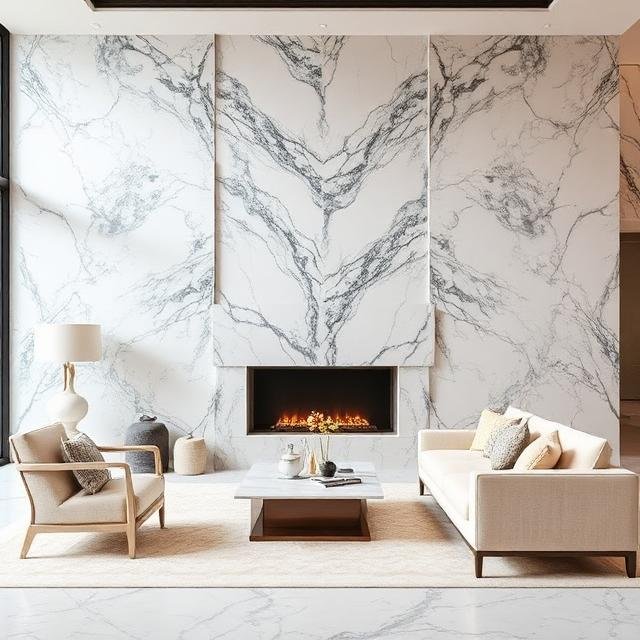
Human evolution is deeply intertwined with nature, and we encounter natural patterns known as non-repeating organic geometry. Our nervous system recognizes them on a subconscious level. Synthetic surfaces often feel cold to our senses, whereas natural stone offers unpredictable variations in tone movement. That gently engages human visual perception without inducing fatigue.
2. Tactile Engagement and Sensory Richness
Biophilic design emphasizes rich sensory interactions. Natural stone offers a multi-sensory experience that synthetic alternatives cannot replicate:
- Thermal Mass & Touch: The cool touch of honed granite or polished quartzite provides immediate tactile feedback, grounding the body in the present moment.
- Texture Diversity: From rough-hewn ledger stone feature walls to silk-smooth leathered marble countertops, varying stone finishes invite physical interaction.
- Light & Shadow Play: Deeply textured stone surfaces react dynamically to changing sunlight throughout the day, bringing daylight patterns to life indoors.
3. Key Applications of Natural Stone in Biophilic Spaces
Integrating stone into your home doesn’t require living in a rustic cave. Modern biophilic architecture incorporates stone in sleek, intentional ways:
- Biophilic Bathrooms (Sanctuary Spaces): Using natural marble or travertine wall cladding creates spa-like retreats that mimic natural riverbeds or stone caverns.
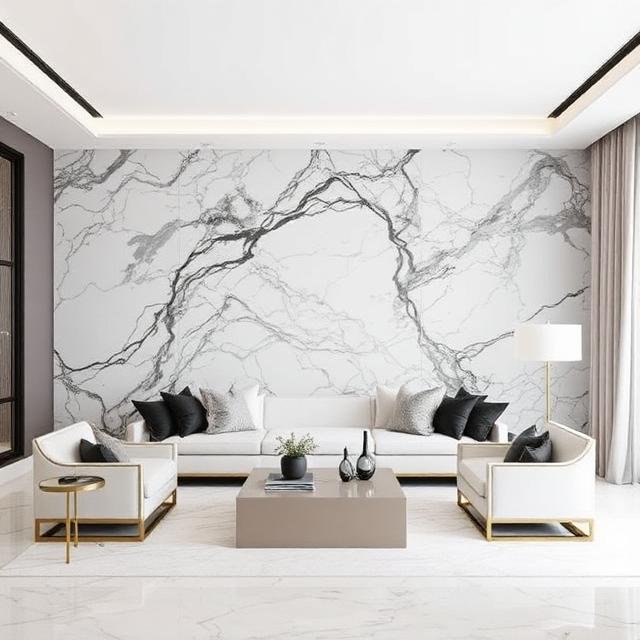
- Living Room Focal Points: Floor-to-ceiling stone fireplace surrounds or accent feature walls introduce elemental earth energy directly into daily social spaces.
- Indoor-Outdoor Transitions: Extending the same natural stone flooring (such as limestone or slate) from an interior living area out onto a terrace blurs boundary lines, making spaces feel expansive and connected to the landscape.
Conclusion
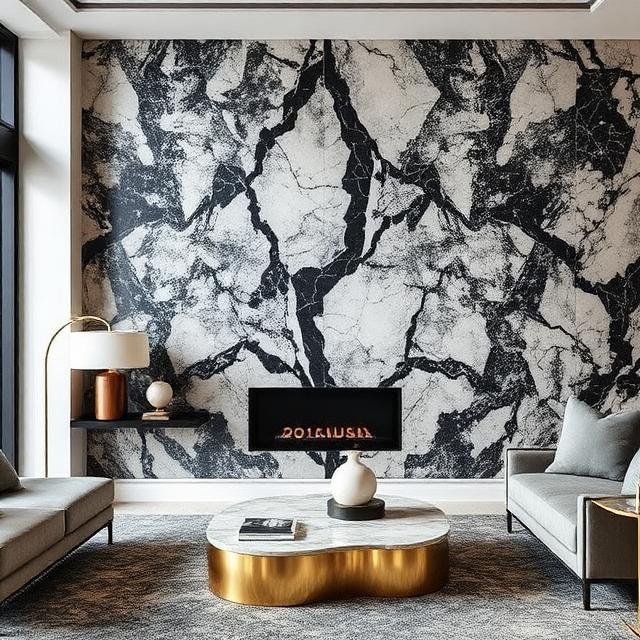
Incorporating natural stone into biophilic design goes far beyond mere interior decoration—it is an investment in personal well-being and spatial grounding. By bringing raw, organic materials crafted by geological time into our homes, we create living spaces that nourish the soul, reduce daily stress, and offer timeless connection to the earth.
Frequently Asked Questions (FAQs)
Q1: What makes natural stone better for biophilic design than look-alike porcelain or quartz?
While engineered stone can mimic patterns visually, natural stone possesses authentic organic variability, thermal qualities, and tactile depth. Human sensory systems respond to true organic complexity rather than repeated digital prints.
Q2: Which natural stones are best suited for biophilic interior spaces?
Travertine, limestone, warm marble (like Calacatta or wood-veined varieties), slate, and textured granite are popular choices. Stones with visible veining, fossilization, or organic textures tend to evoke the strongest biological connection.
Q3: Is biophilic design using natural stone sustainable?
Natural stone is a 100% natural, non-toxic material with low chemical emissions (zero VOCs), contributing to healthy indoor air quality. Because of its unmatched durability, stone lasts for generations without needing replacement.

