
Marble is a timeless beauty, and its luxurious, sophisticated look has made it a coveted material for centuries, used for modern homes. When it comes to selecting marble, two prominent origins often enter the discussion: Italian and Indian. While both offer stunning aesthetics, understanding the distinct differences with quality, features, and textures is crucial for making an informed decision.
In this article we will understand Italian marble vs Indian marble textures, appearance, quality, and durability.
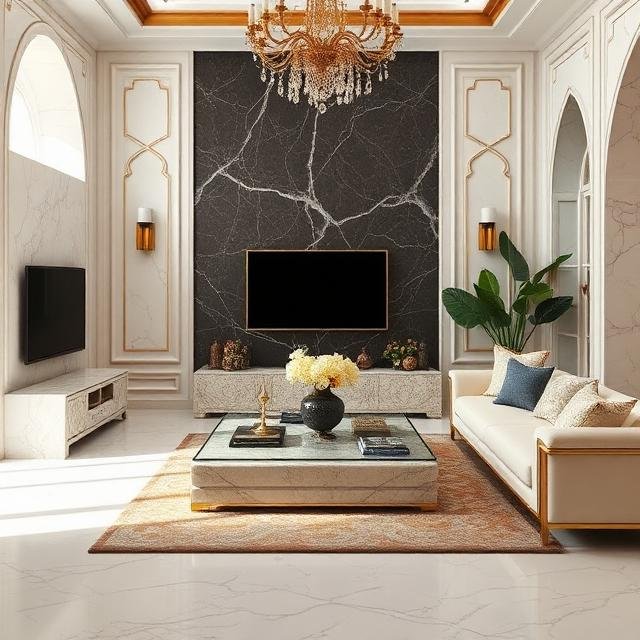
Italian Marble: The Epitome of Luxury and Finesse
Italian marble is globally known for its superior quality, exceptional durability, and unparalleled aesthetic appeal. It can be quarried from the Apuan Alps in Tuscany, regions like Carrara, Calacatta, and Statuario, with luxury marble.
Texture and Appearance:
- Fine Grains: Italian marble is known for its incredible fine grain structure. This contributes to its smooth, velvety texture when it is polished.
- Lustrous Sheen: It can possess a natural translucence that allows light to penetrate slightly before reflecting, which gives a luminous, almost ethereal glow. This unique quality creates a depth that is highly sought after.
- Subtle Veining: The veins in the Italian marble are softer and more flowing and often less stark than its Indian counterparts.
- Carrara: It is known for its soft, feathery grey veins on a white background.
- Statuario: It features bolder, dramatic grey veins on a white background.
- Calacatta: It is distinguished by its thick, dramatic veins in shades of grey on a pristine white canvas.

Quality and Durability:
- High Density: The high density of Italian marble makes it less porous and more resistant to scratches and chips than many other types of marble.
- Exceptional Hardness: It ranks higher on the scale of hardness, contributing to its longevity and ability to withstand heavy traffic.
- Investment Value: Due to its rarity, exquisite beauty, and superior physical appearance, it is considered a premium product and long-term investment.
Indian Marble: Diverse Beauty and Practicality
India boasts a rich heritage of marble quarrying with vast deposits spread across states like Gujarat, Madhya Pradesh, and Rajasthan. Indian marble has a wide range of patterns, prices, and colors, and it can be a popular choice for various applications.
Texture and Appearance:
- Varying Grains: Indian marble exhibits a wide range of grain structure from fine to medium. It can result in a slightly less uniform texture compared to Italian marble.
- Distinct Patterns: The vein pattern in Indian
- The veining and patterns in Indian marble tend to be more pronounced and diverse. You can find everything from intricate, swirling patterns to bold, linear designs.
- Makrana: Famous for its pure white appearance and fine grains, similar to some Italian varieties.
- Ambaji White: Known for its crystal-like structure and often subtle grey veins.
- Rajnagar White: Features a milky white base with varying patterns.
- Green Marble: India is also known for its stunning green marble, with rich, vibrant hues and captivating patterns.
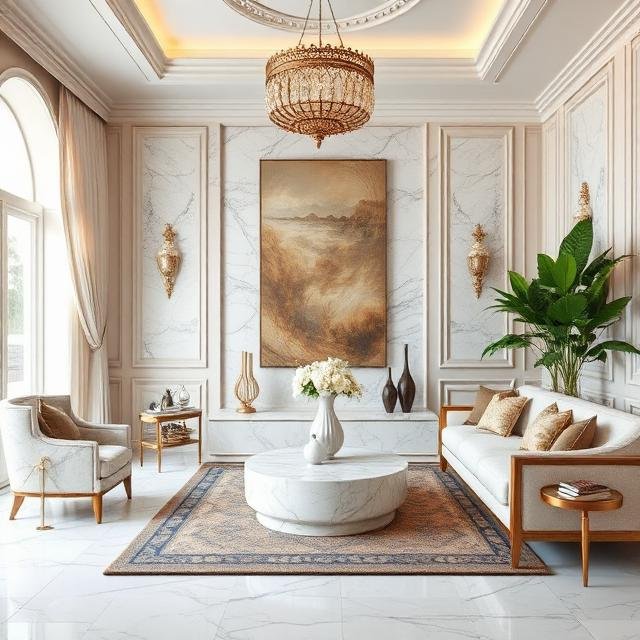
Quality and Durability:
- Good Durability: While generally not as dense or hard as premium Italian marble, good-quality Indian marble is still very durable and suitable for flooring, countertops, and wall cladding.
- Porous Nature: Some varieties of Indian marble can be more porous, requiring proper sealing to prevent staining.
- Cost-Effectiveness: Indian marble is often more budget-friendly than Italian marble, offering an excellent balance of aesthetics and practicality.
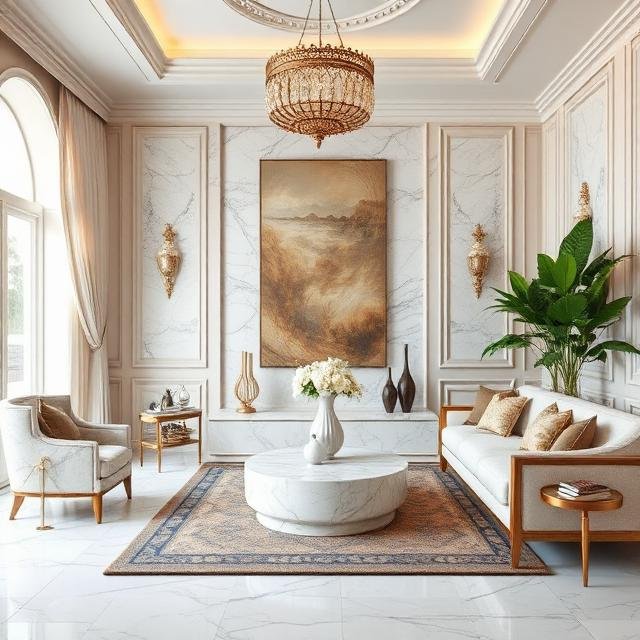
Conclusion: Making the Right Choice
The choice between Italian and Indian marble ultimately depends on your aesthetic preferences, budget, and the specific application.
- Choose Italian Marble if: You prioritize unparalleled luxury, a refined aesthetic with subtle veining, exceptional durability, and are willing to invest in a premium material. It’s ideal for high-end residential and commercial projects where an opulent statement is desired.
- Choose Indian Marble if: You seek a diverse range of colors and patterns, a more budget-friendly option, and good durability for various applications. It’s an excellent choice for those who appreciate unique character and want to incorporate the timeless beauty of marble without the premium price tag.

Regardless of your choice, proper sealing and regular maintenance are crucial to preserving the beauty and longevity of any natural marble.
FAQs
Q1: Which marble is harder, Italian or Indian?
A1: Generally, premium Italian marble varieties like Carrara and Statuario are harder and denser than most Indian marbles.
Q2: Is Italian marble more expensive than Indian marble?
A2: Yes, Italian marble is typically significantly more expensive due to its superior quality, intricate quarrying processes, and higher demand.
Q3: Does Italian marble scratch easily?
A3: While no marble is entirely scratch-proof, Italian marble, with its higher density, is more resistant to scratches and abrasions compared to softer varieties.
Q4: How do I identify genuine Italian marble?
A4: Genuine Italian marble often has a distinctive translucent quality, fine grains, and softer, more flowing veining. Reputable suppliers will provide certification of origin.
Q5: Which type of marble is better for flooring?
A5: Both can be used for flooring. Italian marble offers superior durability and a luxurious feel for high-traffic areas, while good quality Indian marble is a durable and cost-effective option for residential flooring.

