
Italian marble like Calacatta, Botticino, Statuario, and Carrara marble is known for its timeless durability, elegance, beautiful vein patterns, and smooth finish. As it is the natural stone and it is composed of calcium carbonate, it is vulnerable to any acidic liquids.
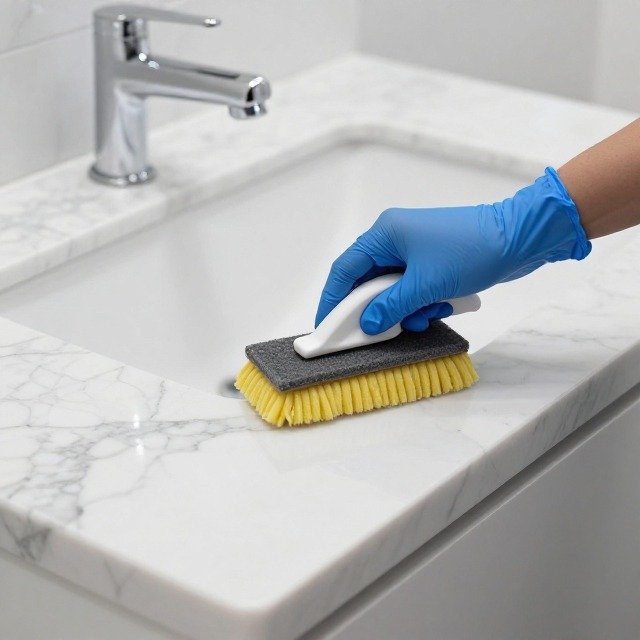
Unlike engineered quartz, marble is highly reactive to acidic liquids. When these acidic liquids come into contact with untreated calcium carbonate, then an immediate chemical reaction occurs that dissolves the surface polish and leaves behind rough, chalky ebbing and rough surfaces.
Whether you install the marble in the kitchen, dining table, or bathroom floor, it is highly necessary for sealing, and it is easy to maintain. Here is a complete guide on how to seal the marble, protect it, and preserve the marble against everyday daily wear and tear activities.
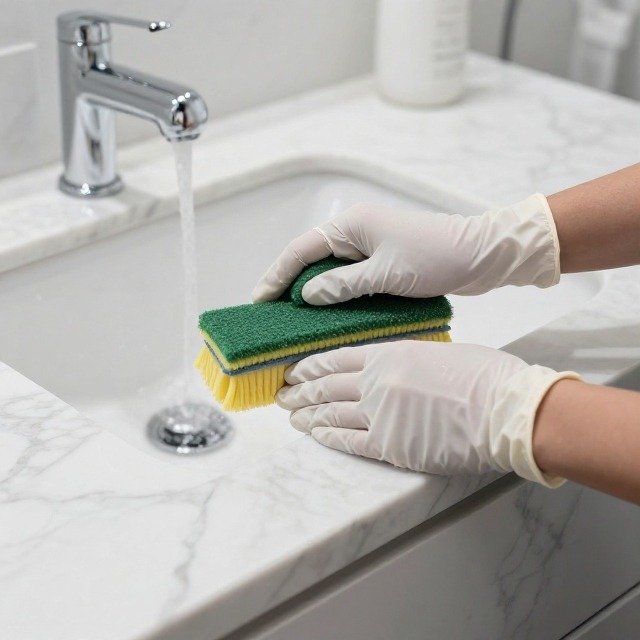
Understanding the Difference: Staining vs. Acid Etching
Before choosing a protective strategy, it is vital to distinguish between two common forms of marble damage:
| Damage Type | Cause | What Actually Happens | How to Prevent It |
| Stain | Wine, coffee, oils, turmeric, ink | Liquid penetrates the microscopic pores, depositing pigment below the surface. | Penetrating (Impregnating) Sealers |
| Etch Mark | Lemon juice, vinegar, wine, tomatoes, harsh cleaners | Chemical reaction chemically burns/dissolves the calcium carbonate surface layer. | Topical Barrier Coatings / Acid-Proof Films |
Key Takeaway: A standard penetrating stone sealer prevents stains by making the stone hydrophobic, but it does not stop chemical etching caused by acids. Therefore, protecting the marble against acid requires a combination of high-grade sealing, immediate spill protocol, and physical/topical barrier solutions.
Step-by-Step: How to Seal Italian Marble Properly
You need to apply a penetrating sealer that fills the microscopic pores of the marble stone, repels liquid absorption, and gives you a crucial dwell time to wipe away spillage before it penetrates into the slab.
1. Select the Right Sealer
- Use a fluoropolymer-based, solvent- or water-based penetrating sealer specifically rated for dense, polished natural stone.
- Avoid cheap acrylic or wax-based polishes; they will absorb the moisture inside the stone, create a yellowish buildup, and peel unevenly.
2. Deep Clean and Dry the Surface
- Clean the slab thoroughly with pH-neutral stone cleaner liquids and distilled water.
- Remove any existing grease, oils, or soap scum.
- Critical Step: Allow the marble to dry completely for at least 24 to 72 hours. Trapping moisture inside the stone under a fresh sealer layer will cause hazing, efflorescence, or sealer failure.
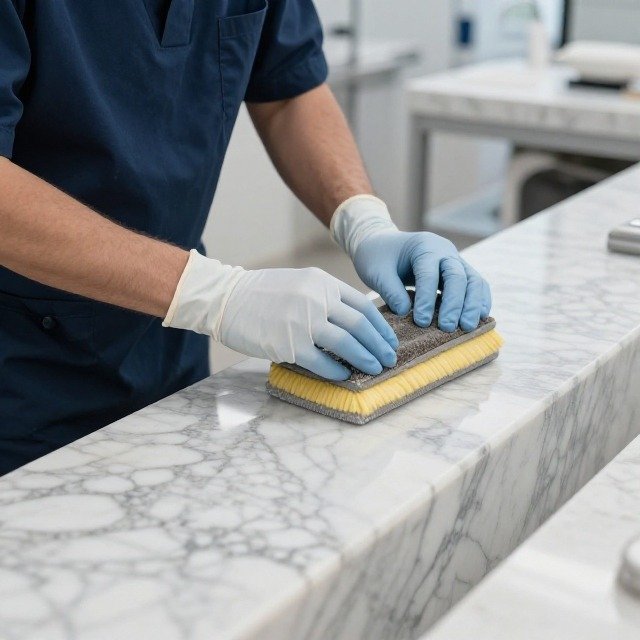
3. Application
- Spray the penetrating sealer evenly across manageable sections (roughly 10–15 sq. ft. at a time).
- Use a clean microfiber cloth applicator to spread the liquid uniformly.
- Keep the surface damp with sealer for the manufacturer-recommended dwell time (usually 10 to 15 minutes) to allow deep absorption into the stone’s capillaries.
4. Buff Off Excess Liquid
- Do not allow excess sealer to dry on the surface, or it may cause sticky residue that is difficult to strip.
- Before the dwell time expires, buff the entire surface completely dry with a lint-free microfiber towel.
- For porous or honed finishes, apply a second coat after 2–4 hours following the same procedure.
5. Curing Period
- Let the marble cure undisturbed for 24 to 48 hours before placing objects on it or introducing any liquids.
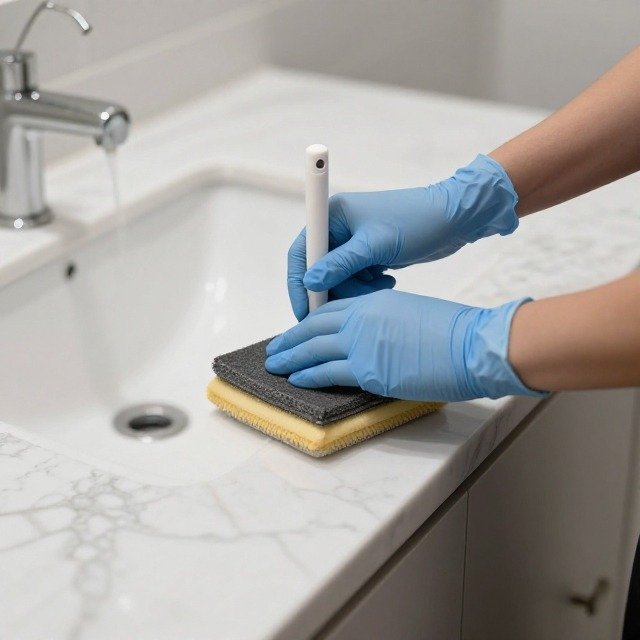
Next-Level Acid Protection: Modern Solutions
Sealers cannot stop acid reactions; homeowners and designers seeking absolute peace of mind against lemon juice, citrus, vinegar, and wine frequently turn to advanced solutions:
- Self-Healing Anti-Etch Surface Protection Films (PPF for Stone):
Similar to automotive paint protection films, ultra-thin, optically clear polyurethane films form an impervious physical barrier. They resist excess heat, are non-porous, and make the marble 100% immune to acid contact. - Honed Over Polished Finishes:
If you love natural, unfilmed stone, opt for a honed (matte or satin) finish rather than high-gloss. While honed marble still reacts to acid, the chemical etch mark blends softly into the matte background, making wear-and-tear almost invisible compared to stark dull rings on high-gloss polish. - Dedicated Cutting Stations & Coasters:
Always use large silicone prep mats, wooden cutting boards, and marble/cork trivets during food preparation involving tomatoes, wine, marinades, or citrus.
Daily Care and Maintenance Rules
- Wipe Spills Instantly: Blot never wipe across acidic spills immediately to minimize the contact area.
- Use pH-Neutral Cleaners Only: Never use bleach, vinegar, bathroom descalers, or general multi-surface spray cleaners. Use only designated pH 7.0 stone cleaners or warm water with a drop of gentle dish soap.
- Re-seal Annually: Test your marble every 6 to 12 months with the Water Drop Test. Place a few drops of water on the surface; if it darkens or absorbs within 10–15 minutes, it is time for a fresh coat of impregnating sealer.
Conclusion
Italian marble is an investment in architectural luxury and organic character. While its vulnerability to everyday acids is a natural physical trait, it does not mean your surfaces must succumb to permanent damage. By pairing a high-grade penetrating sealer with disciplined spill management or choosing protective anti-etch barriers, you can enjoy the rich veining and prestigious beauty of Italian marble without fear of everyday stains and acid burns.
Frequently Asked Questions (FAQs)
Q1: Does a marble sealer make the stone completely acid-proof?
A: No. Penetrating sealers soak beneath the surface to prevent liquids from being absorbed (preventing discoloration and stains). However, acid etching is a chemical dissolution of the stone’s top surface. To make marble truly acid-proof, you must apply a topical barrier coating or a dedicated anti-etch protective film.
Q2: How often should I seal Italian marble?
A: Countertops, vanities, and dining surfaces subjected to daily use should typically be sealed once every 12 to 18 months. Low-traffic vertical features or fireplace surrounds may only require sealing every 3 to 5 years. Perform the water drop test periodically to gauge porosity.
Q3: Can I fix an acid etch mark on my marble at home?
A: Mild, surface-level etch marks on polished marble can often be restored using a specialized marble polishing powder (containing fine aluminum oxide or tin oxide) buffed with a damp felt pad. For honed surfaces, a very fine abrasive pad (such as a 400–800 grit diamond hand pad) can gently blend the mark. Deep or widespread etching requires professional stone restoration.
Q4: Can I use vinegar or baking soda to clean Italian marble?
A: Absolutely not. Vinegar is acidic (acetic acid) and will immediately etch the marble. While baking soda is alkaline, it is abrasive and can scratch high-polish finishes over time. Stick strictly to pH-neutral formulations.

