
In urban centers due to climate resilience, pedestrian-first architecture and enduring municipal infrastructure and traditional hardscaping materials like plain concrete are being reevaluated. Public spaces ranging from high-traffic civic plazas and modern transit hubs to historic pedestrian avenues require that they withstand heavy foot traffic, municipal vehicles, and environmental pollution.
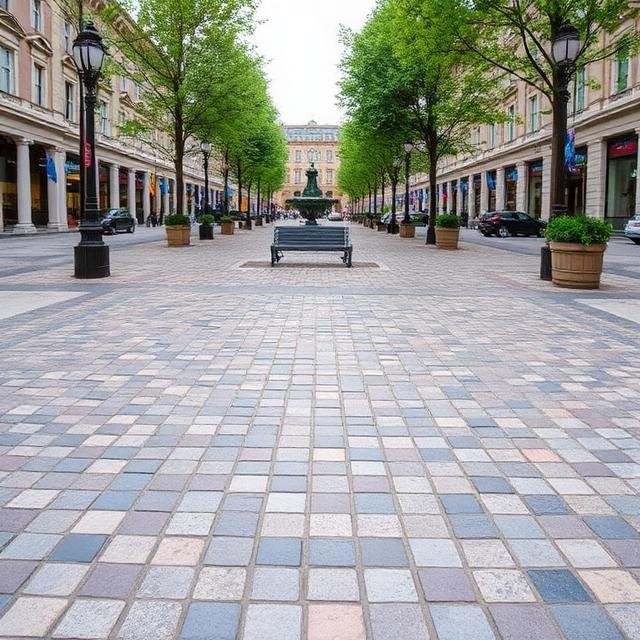
Granite cobblestones and modern granite pavers have emerged as the premier specification for future-proof public plazas. By combining unmatched structural durability, versatile design aesthetics, and mitigation benefits, granite represents the modern urban hardscaping.
Why Urban Architects Are Turning to Granite for Modern Plazas
1. Superior Structural Longevity and Compressive Strength
Granite boasts an extraordinary compressive strength and exceptional flexural strength. Unlike concrete pavers, which degrade over time through moisture ingress and chemical de-icers, which soften in heat and ruts under stress, granite resists abrasion and environmental weathering for generations.
2. Microclimate Management and Heat Island Mitigation
Dense urban centers suffer significantly from Urban heat island effect. The light-colored granite paving units compared to asphalt. By reflecting a larger portion of solar radiation rather than absorbing and heating back into the microclimate granite paving creates more comfortable ambient temperatures for urban pedestrians.
3. Circular Economy and Low Lifecycle Impact
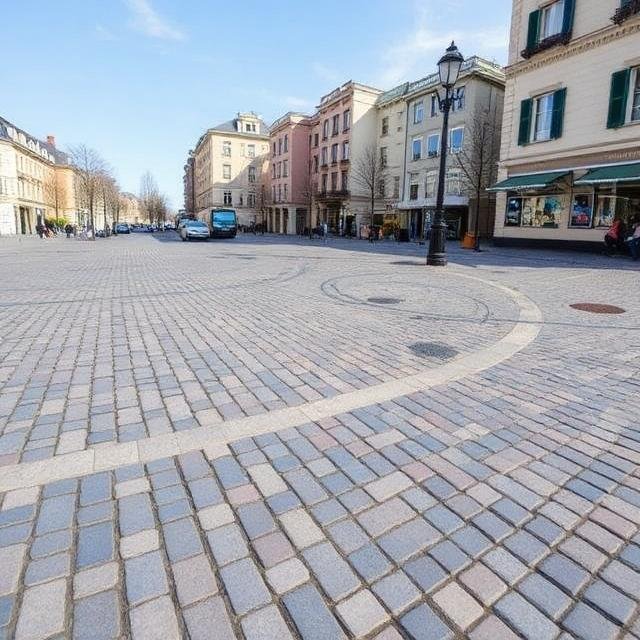
The initial capital expenditure of natural granite pavers is higher than poured concrete; its long-term return on investment is far superior. Granite pavers require minimal maintenance and do not require frequent repaving cycles and can be lifted, reused or during subsurface utility maintenance without destroying the surface of stone.
Technical Comparison: Paving Materials for High-Traffic Plazas
| Paving Material | Compressive Strength | Thermal/UHI Performance | Maintenance Need | Service Lifespan |
| Granite Cobblestones | Extremely High | Excellent (High SRI) | Low (Occasional) | 100+ Years |
| Granite Pavers (Sawn) | Very High | Excellent | Low | 75–100+ Years |
| Concrete Interlocking | Moderate to High | Moderate | Moderate (Sealing) | 20–30 Years |
| Asphalt | Low | Poor (Low SRI/Heat Trap) | High (Frequent Patching) | 10–15 Years |
Design Versatility: Bridging Heritage and Modernity
Modern public plaza design demands flexibility. Granite cobblestones and dimension pavers provide an expansive palette of texture, color and installation pattern that define the zones, guide pedestrian flow and enhance accessibility.
Surface Finishes for Public Safety and Aesthetics
- Flamed (Thermal) Finish: Creates a subtle, non-slip textured surface ideal for wet outdoor conditions and high-volume pedestrian zones.
- Bush-Hammered Finish: Produces a uniform, slip-resistant surface with an organic, stone-like texture that diffuses light.
- Split-Face / Tumbled: Excellent for classic cobblestone aesthetic while offering natural slip resistance.
Layout Patterns and Spatial Zoning
- Fan / Segmental Arch Patterns: Ideal for wide, expansive municipal squares to create visual rhythm and guide traffic flows.
- Herringbone & Bond Patterns: Provide maximum interlock and structural load distribution for plazas that accommodate emergency and municipal maintenance vehicles.
- Integrated Permeable Systems: Wide-joint installations utilizing granite cobblestones backed by aggregate bases allow rainwater infiltration, reducing urban runoff and stormwater infrastructure strain.
Sustainable Urban Drainage Systems (SuDS) & Permeable Hardscaping
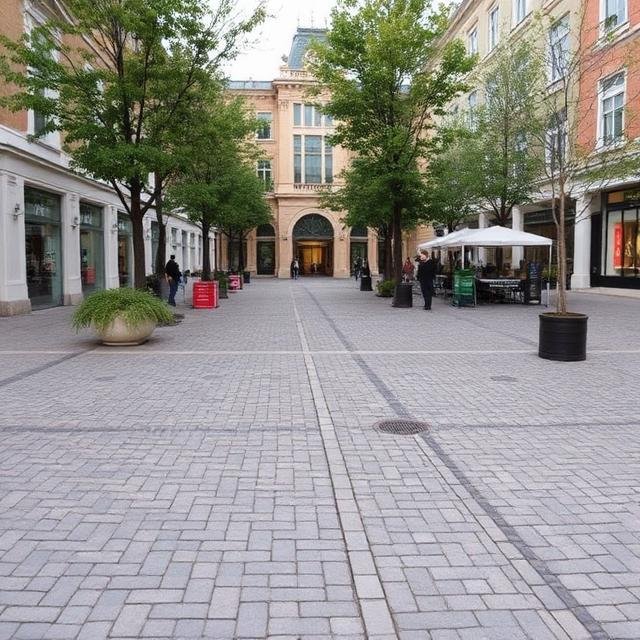
One of the most critical evolutions in public plaza design is the integration of Sustainable Urban Drainage Systems (SuDS). Granite cobblestone systems with permeable jointing sands or gravels allow high-volume rainwater absorption into the sub-grade. This reduces localized flooding, recharges groundwater tables, and reduces the load on city municipal storm sewers during extreme weather events.
Conclusion
The future of urban hardscaping relies on materials that balance structural durability, ecological performance, and timeless design. Granite cobblestones and precision-sawn granite pavers fulfill these demands, offering civic spaces an enduring, low-maintenance surface that ages gracefully. Investing in granite for public plazas transforms urban centers into resilient, human-centric, and environmentally sustainable environments for generations to come.
Frequently Asked Questions (FAQs)
Are granite cobblestones safe for pedestrian mobility and accessibility (ADA compliance)?
Yes. While traditional split-face cobblestones present uneven surfaces, modern manufacturing allows for sawn-top cobblestones with textured, slip-resistant finishes (such as thermal or bush-hammered). These provide a smooth, flat walking surface that meets accessibility guidelines while retaining the classic aesthetic of cobblestone.
How do granite pavers perform in harsh winter climates with freeze-thaw cycles?
Granite has an extremely low water absorption rate (typically under 0.2%), preventing moisture from penetrating the stone and causing spalling or cracking during freeze-thaw cycles. It is also highly resistant to chemical de-icers and road salts.
What makes granite pavers more sustainable than asphalt or concrete in public spaces?
Granite is a natural material with an exceptionally long lifespan (often lasting well over a century). It eliminates frequent manufacturing and repaving cycles, generates lower heat island effects, is completely recyclable, and enables permeable drainage configurations.

