
The Shift from Sterile to Serene
Over the century, the cool gray reigned supreme across modern interiors. From polished concrete and ash-toned engineered planks to cool Carrara marble, homes heavily lean into minimalist monochrome. The sleek palette often left living space feeling sterile, clinical, and emotionally detached.
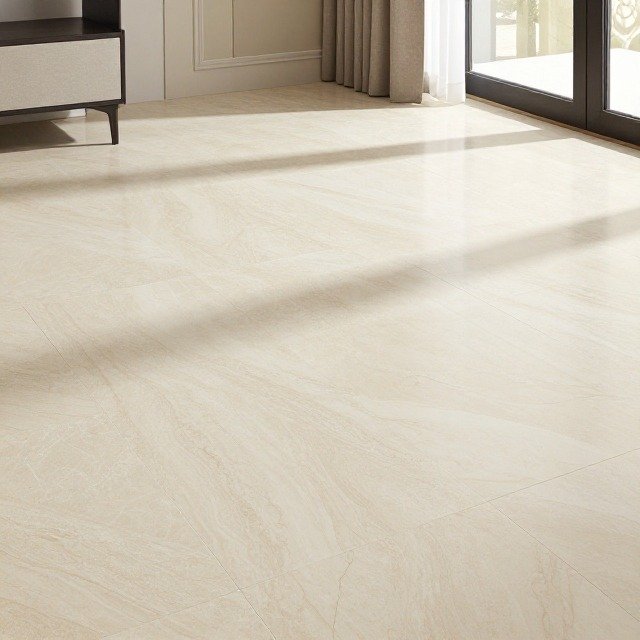
Enter the era of warm minimalism and quiet luxury. Homeowners and interior designers are pivoting decisively towards the soothing palettes that foster comfort without sacrificing grandeur. At the forefront of this shift is warm beige marble flooring, the natural stone experiencing a major contemporary revival.
Why Beige Marble Is Outshining Cool Grey
1. Biophilic Warmth and Emotional Comfort
After the pandemic, the design values and visual softness have increased. Warm beige marble featuring undertones like cream, sand, taupe, and honey. It can radiate a gentle grounding energy. It captures both natural sunlight and warm ambient evening lighting far better than flat greys, making an open floor lived in and welcoming.
2. Organic Depth and Natural Movement
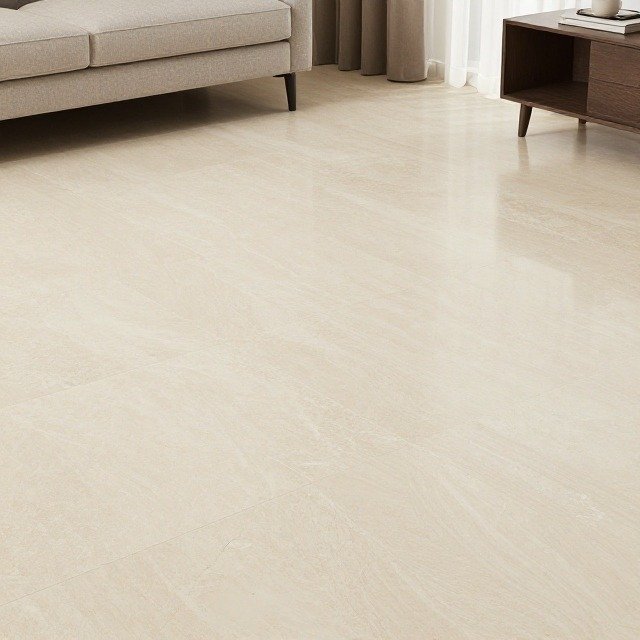
Unlike synthetic tiles or uniform surfaces like beige marbles, they boast intricate veins, crystalline depth, and subtle fossilization. Whether it is the soft cloud-like swirls of crema marfil, beige marble offers a rich visual texture that elevates understated architecture.
3. Versatile Harmony Across Design Styles
Cool grey often locks interiors into strictly modern aesthetics. In contrast, warm beige serves as an adaptable neutral canvas that complements:
- Japandi & Wabi-Sabi: It can be paired with light oak, linen, and textured plaster.
- Modern Mediterranean: Accented with terracotta, wrought iron, and olive trees.
- Warm Contemporary: Balanced with brushed brass hardware, bouclé fabrics, and walnut woodwork.
Popular Beige Marble Varieties to Know
| Variety | Provenance | Visual Characteristics | Best Used In |
| Crema Marfil | Spain | Creamy yellow-beige base with delicate, golden veining | Grand living rooms, formal entries |
| Botticino (Classico/Fiorito) | Italy | Soft ivory-beige with white accents and warm golden specks | Bathrooms, master suites |
| Dyna (Breccia Aurora) | Italy / Turkey | Dramatic movement, rich beige with amber and honey streaks | Statement foyer floors, feature areas |
| Travertino Romano (Filled/Honed) | Italy | Earthy cream and biscuit tones with soft linear banding | Kitchens, transitional indoor-outdoor spaces |
How to Style Warm Beige Marble for Modern Homes
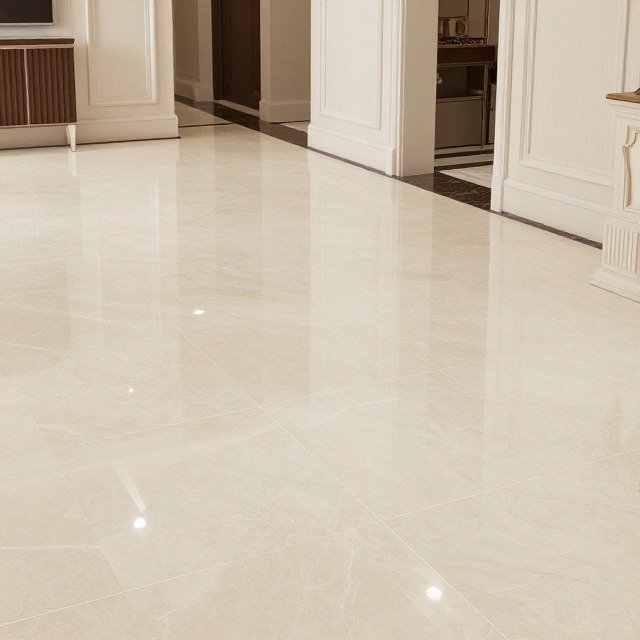
- Opt for a Honed or Leathered Finish: While high-gloss polished marble has timeless appeal, a honed (matte) or brushed/leathered finish feels tactile, contemporary, and relaxed underfoot while reducing glare.
- Mix Rich Wood Species: Avoid matching every wood tone. Warm beige floors pair exceptionally well with rich contrasting woods like American walnut, smoked oak, and natural teak.
- Incorporate Tactile Textures: Counterbalance the coolness of stone underfoot with bouclé armchairs, ribbed ceramic accents, brushed bronze or unlacquered brass hardware, and plush wool or jute rugs.
- Choose Warm Architectural Lighting: Avoid cool white bulbs, which can make beige stone look muddy. Aim for soft, warm lighting in the 2700K to 3000K range to draw out golden mineral deposits.
Maintenance & Longevity
Like all natural calcite stones, beige marble is porous and sensitive to acidic spills. To preserve the marble beauty:
- Seal Periodically: Application of high-quality penetrating impregnating sealer upon installation and re-sealing every 12 to 24 months.
- Use pH-Neutral Cleaners: Clean daily with warm water or dedicated stone soaps; never use vinegar, bleach, or abrasive scouring pads.
- Protect High-Traffic Zones: Use runner rugs in heavy entryway paths and felt pads beneath furniture legs to prevent micro-scratching.
Conclusion
The transition from icy grey to warm beige is not merely a transient trend; it represents a broader architectural return to permanence, organic materials, and understated warmth. By embracing beige marble flooring, modern homes achieve the elusive sweet spot: a space that feels unequivocally luxurious, enduringly timeless, and deeply comforting to live in.
Frequently Asked Questions (FAQs)
Q1: Does beige marble look outdated or 1990s?
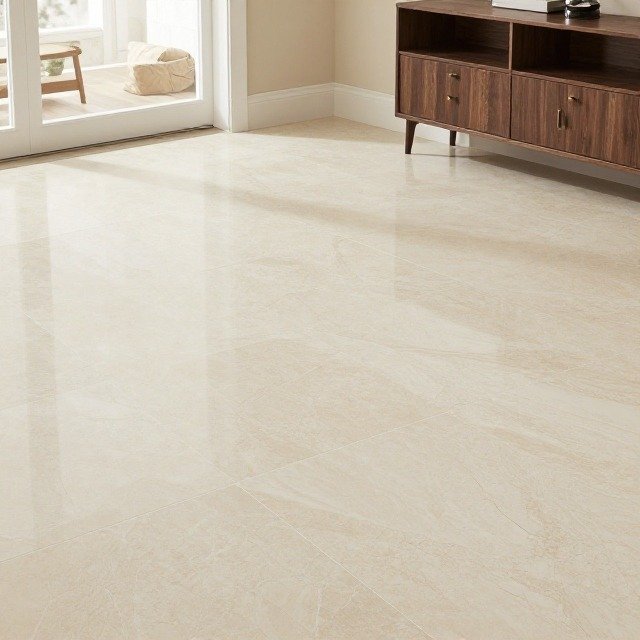
A: Not when specified with modern sensibilities. The 1990s look was characterized by high-gloss yellow-gold beige paired with ornate molding and polished brass. Today’s look uses honed or matte finishes, large-format slabs with thin grout lines, and minimalist styling (textured plaster, clean lines, and natural woods) to look fresh and sophisticated.
Q2: Is beige marble slippery for floor applications?
A: Polished marble can be slippery when wet. For wet areas like bathrooms or high-traffic kitchen floors, choosing a honed, brushed, or leathered finish increases slip resistance while offering a softer, more organic aesthetic.
Q3: Which is better: Crema Marfil or Botticino?
A: Both are premier Italian and Spanish stones. Crema Marfil tends to have a slightly warmer, golden-yellow undertone with consistent veining, ideal for expansive living areas. Botticino offers a subtler, pale ivory-beige base with delicate white feathering, suited for light-filled bedrooms and spa-like bathrooms.
Q4: How do I choose wall paint colors that complement beige marble floors?
A: Avoid stark, blue-based bright whites, which create jarring contrast. Opt for soft, creamy warm whites (such as Benjamin Moore Swiss Coffee or Sherwin-Williams Alabaster), muted greiges, warm limewash, or earthy neutrals like mushroom, clay, and taupe.

