
For decades, the extraction of natural stone carried an image of environmental degradation: scarred mountainsides, heavy dust clouds, and disrupted ecosystems.
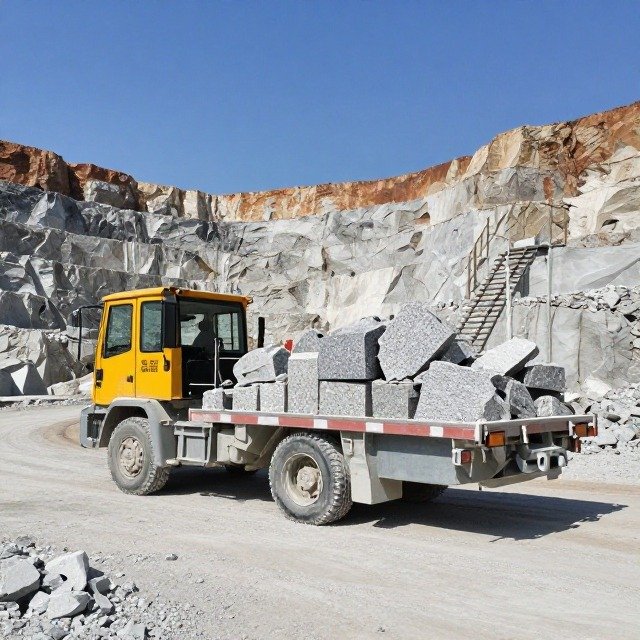
As architects, builders, and homeowners prioritize green building certifications such as LEED and BREEAM, the natural stone industry is undergoing a structural transformation. Modern marble and granite extraction increasingly relies on precision engineering, closed-loop hydrology, renewable power, and progressive land rehabilitation to deliver luxury stone with a dramatically reduced ecological footprint.
1. Precision Extraction: The Shift Away from Blasting
Historically, quarrying heavily causes explosive blasting. It is effective at dislodging massive rock formations, blasting causes micro fractures throughout the stone and results in waste of materials.
Modern quarries have replaced blasting with diamond wire saws, chain cutters, and expanding hydraulic splitters:
- Diamond Wire Saws: Flexible steel cables embedded with industrial diamond beads slice through stone benches with millimetric precision, drastically cutting stone fracture rates and maximizing yield per cubic meter.
- Hydro-Bag & Expanding Mortar Splitting: Water-expanded steel cushions or non-explosive expanding minerals push extracted blocks loose silently, eliminating shockwaves that destabilize surrounding geological strata.
- Minimized Material Loss: Higher block integrity means less usable stone is discarded at the extraction face, reducing the physical footprint required to meet market demand.
2. Closed-Loop Water Recycling and Slurry Filtration
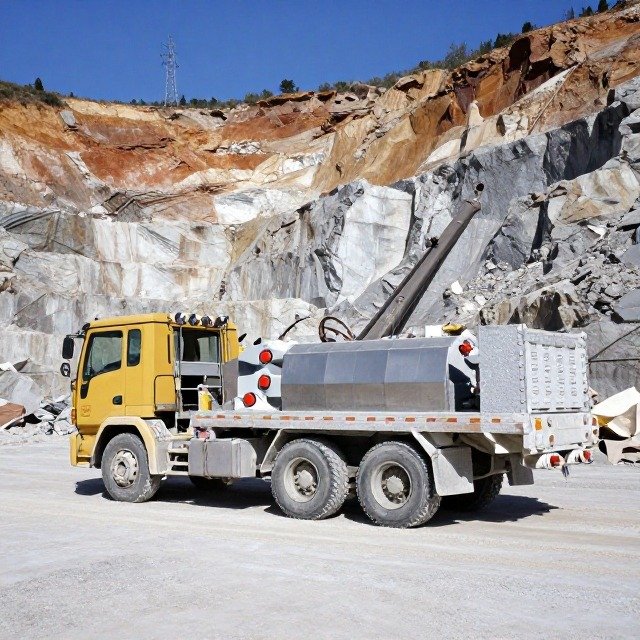
Cutting dense igneous granite and metamorphic marble generates intense friction and fine stone particulates. Modern facilities utilize closed-circuit water systems to manage both resource consumption and particulate runoff:
- Filter Presses and Decantation Tanks: Used cutting water is captured and piped directly to sedimentation basins and automated plate filter presses.
- 95%+ Water Reclamation: Heavy solids settle out, allowing up to 98% of process water to be recycled back to the cutting blades continuously without drawing from municipal supplies or local aquifers.
- Byproduct Valorization: The compressed dry cake left by filter presses (calcium carbonate slurry from marble or silica fines from granite) is repurposed as agricultural soil neutralizers, cement additives, asphalt aggregate, and base fill for road construction.
3. Renewable Energy Integration and Electrification
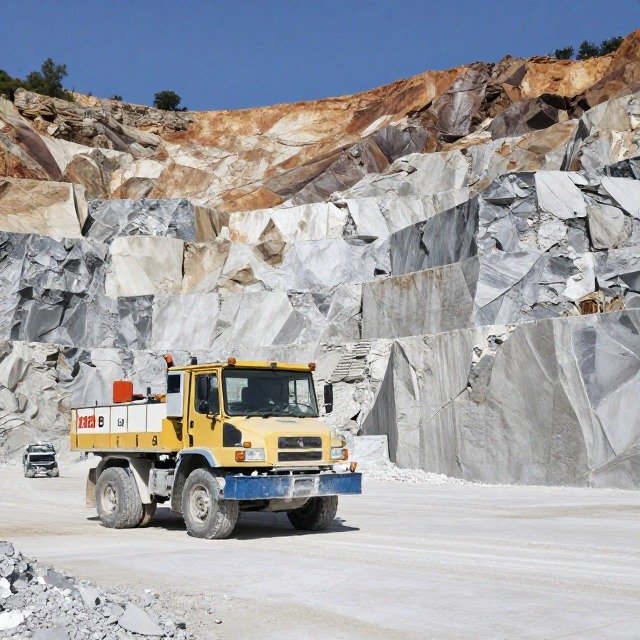
Quarrying has historically been an energy-intensive endeavor driven by heavy diesel generators and combustion-engine haul trucks. Contemporary operations are decarbonizing via two primary pathways:
- Grid and On-Site Renewables: High-efficiency electric wire saws and stationary cranes run directly on on-site solar photovoltaic arrays or certified green grid power.
- Fleet Electrification: Electric excavators, hybrid wheel loaders, and gravity-assisted regenerative downhill conveyor belts replace conventional diesel transport, lowering Scope 1 greenhouse gas emissions at the source.
4. Land Stewardship and Progressive Quarry Rehabilitation
The lifecycle of an eco-conscious quarry begins with an exit strategy. Rather than abandoning pits once extraction slows, operators implement progressive reclamation plans:
- Concurrent Restoration: As active benches are exhausted, rehabilitation begins immediately rather than waiting for the entire quarry to close.
- Biodiversity Net Gain: Quarries are re-engineered into wetlands, public botanical parks, solar farms, or agricultural terraces, restoring native flora and fauna.
- Groundwater Safeguards: Continuous hydrological monitoring ensures sub-surface water tables remain uncontaminated by machinery lubricants, with mandatory use of biodegradable hydraulic fluids across heavy machinery.
5. Third-Party Standards: ANSI/NSI 373 Certification
Greenwashing has made independent verification essential. The Sustainable Production of Natural Dimension Stone standard serves as the benchmark for third-party auditing. It measures stone producers across:
- Water consumption and recycling rates
- Site-specific energy usage and carbon management
- Safe chemical and waste handling
- Site reclamation and ecological remediation
- Fair labor standards and community impact
Specifying ANSI/NSI 373 certified stone gives designers documented supply chain transparency, directly contributing credits toward LEED v4.1 and Living Building Challenge targets.
Frequently Asked Questions (FAQs)
Is natural stone more sustainable than engineered quartz or porcelain?
Yes, in many lifecycle metrics. Natural marble and granite require extraction and cutting, but zero petrochemical resins, thermal kilns, or synthetic binders. In contrast, engineered quartz often incorporates 7% to 10% petroleum-derived polyester resins and requires high-heat curing, generating higher embodied carbon. Natural stone is also 100% recyclable and inert.
What happens to broken stone blocks and scrap pieces?
Virtually zero quarried stone needs to reach a landfill. Off-spec slabs and trimmings are crushed into architectural aggregates, terrazzo chips, rip-rap for shoreline erosion control, gravel for roadbeds, or fine powders for industrial fillers.
How can I verify if my marble or granite was ethically and sustainably sourced?
Look for quarries and fabricators certified under ANSI/NSI 373, or request Environmental Product Declarations (EPDs) and Health Product Declarations (HPDs). Reputable distributors can trace each slab back to its specific quarry of origin.
Does sustainable quarrying make marble and granite more expensive?
Not necessarily. While adopting electric machinery and closed-loop filtration requires upfront capital, higher extraction yields (less wasted stone) and lower water/energy utility costs keep finished slab pricing competitive with conventional alternatives.

