
Kitchen backsplash is no longer treated as a protective barrier against cooking splatters. It is evolved into the visual anchor of the modern culinary designs. Among all the available materials the ceramic tiles, marble, granite to engineered quartz, the natural stones stand supreme in its design, ability
The kitchen backsplash is no longer treated merely as a protective barrier against luxury- and cooking-splatter-induceders; it has evolved into the visual anchor of the modern culinary space.
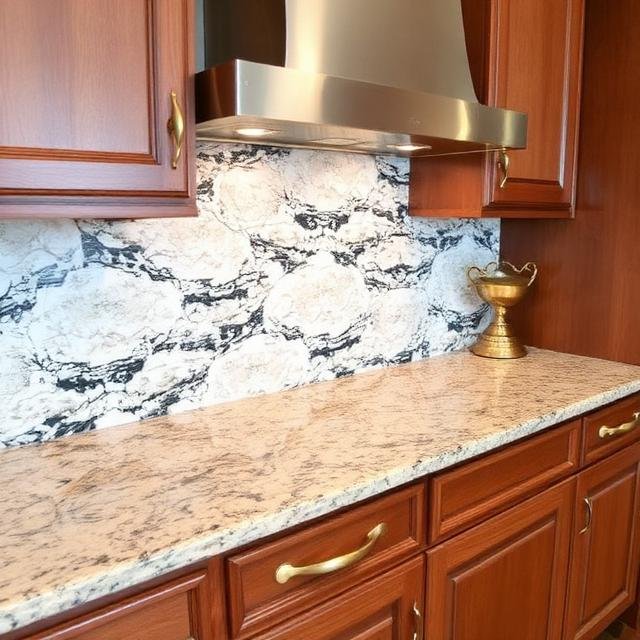
Among all available materials, ceramic tiles to engineered quartz natural stone stand supreme in its ability to inject organic warmth, textural depth, and architectural luxury into a home. Each slab or tile carved from the earth carries millions of years of geological history, ensuring that no two kitchens ever look identical.
Whether you are restoring a traditional farmhouse, curating a sleek minimalist sanctuary, or crafting a bold transitional aesthetic, natural stone offers unmatched versatility.
In this guide, we explore top stone varieties, design ideas, practical maintenance considerations, and frequently asked questions to inspire your next kitchen transformation.
1. Popular Natural Stone Varieties for Backsplashes
Choosing the right stone involves balancing visual impact with lifestyle requirements. Here is how key natural stones compare for backsplash applications:
| Stone Variety | Visual Character | Maintenance Level | Best Architectural Style |
| Marble (e.g., Statuario, Calacatta, Carrara) | Luminous white or cream ground with bold or delicate veining | Moderate to High (requires periodic sealing) | Luxury, Modern, European Classic, Modern Organic |
| Travertine | Warm earth tones, porous weathered texture, rustic elegance | Moderate (sealed or filled options available) | Mediterranean, Tuscan, Rustic Farmhouse |
| Granite | Granular, speckled, or dramatic sweeping movement; immense color range | Low (exceptionally durable and heat-resistant) | Transitional, Industrial, High-Traffic Kitchens |
| Slate & Quartzite | Deep moody tones, layered split-face texture, subtle sparkle | Low to Moderate | Contemporary, Craftsman, Scandinavian Dark |
2. Design Ideas & Inspiration
Idea 1: The Full-Slab Bookmatched Statement
Instead of traditional small tiles, extend a single marble or quartzite slab continuously from the countertop to the underside of upper cabinets or hood enclosure. For an added layer of artistry, request “bookmatching,” where adjacent slabs mirror each other’s grain pattern like an open book, creating a symmetrical center point behind the cooktop.
Idea 2: Split-Face Stacked Ledger Stone
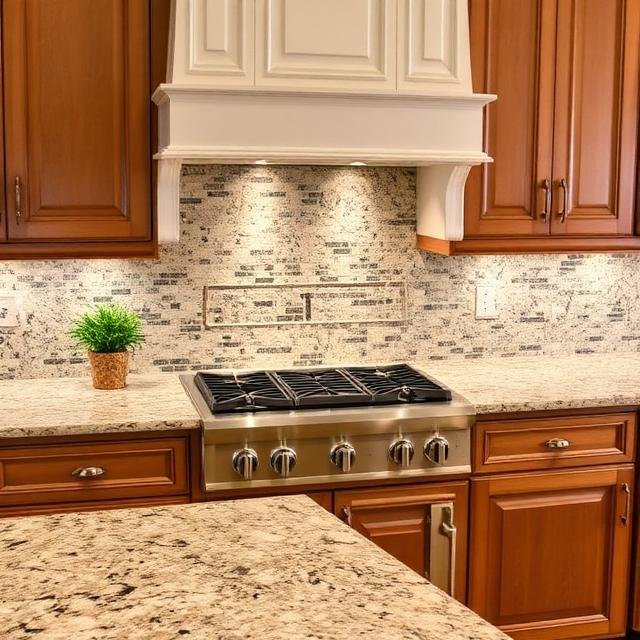
For modern rustic or Scandinavian-inspired kitchens, split-face ledger stone tiles bring dramatic 3D texture and shadow plays under under-cabinet LED strip lights. Slate or quartzite split-face backsplashes add tactile richness that contrasts beautifully with smooth flat-panel cabinetry.
Idea 3: Honed Herringbone or Chevron Patterns
If you love classic tile patterns but want an organic feel, opt for natural stone mosaic tiles in a herringbone or chevron lay pattern. Using a honed (matte) finish rather than polished marble gives a softer, more contemporary feel that minimizes glare.
Idea 4: Warm Travertine Fluting & Arch Accents
Fluted and ribbed natural stone is trending in high-end kitchen design. Installing vertically fluted travertine or limestone behind a stove arch brings architectural rhythm and soft earthy tones that pair seamlessly with rich walnut or oak cabinetry.
Pro Designer Tip: Natural stone thrives under warm, directional task lighting. Incorporate hidden 2700K–3000K LED strips beneath cabinets to highlight the natural clefts, veining, and micro-crystallization in your stone backsplash.
3. Care and Maintenance Basics
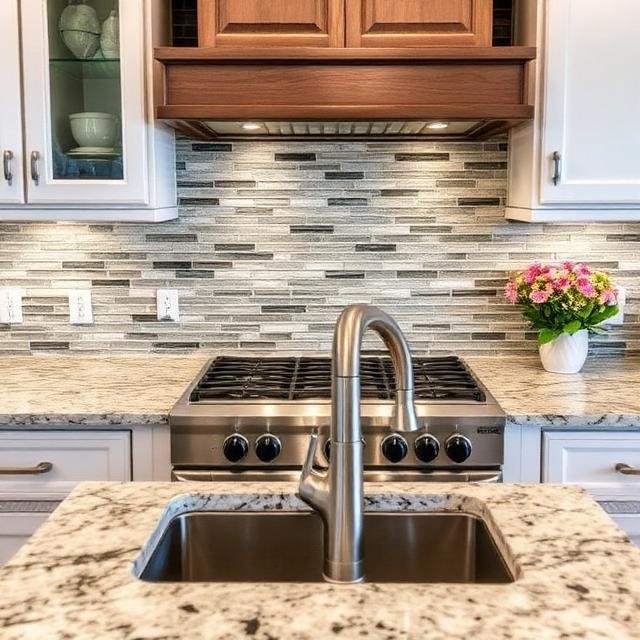
Natural stone is porous by nature, meaning it requires minimal care to retain its pristine beauty:
- Sealing: Apply a high-quality penetrating stone sealer upon installation and reapply every 1–2 years depending on usage.
- Daily Cleaning: Wipe down grease splatters promptly using warm water and a pH-neutral cleaner specifically formulated for natural stone. Avoid acidic or abrasive sprays (such as vinegar, lemon juice, or bleach).
Conclusion
Integrating a natural stone kitchen backsplash is an investment in timeless aesthetic beauty and authentic craftsmanship. Whether you prefer the dramatic veining of a Calacatta marble slab or the cozy, earthy warmth of stacked travertine, natural stone elevates standard cabinetry into a bespoke architectural focal point. With minimal routine care and thoughtful lighting design, your stone backsplash will remain an enduring centerpiece for decades to come.
Frequently Asked Questions (FAQs)
Q1: Is marble a practical choice for a kitchen backsplash behind a cooktop?
Answer: Yes! While marble can etch when exposed to acidic foods on horizontal countertops, a vertical backsplash receives significantly less direct contact with acid. As long as grease splatters are wiped promptly and the marble is properly sealed, it stays beautiful for decades.
Q2: How do I seal a natural stone backsplash, and how often?
Answer: Apply an impregnating penetrating sealer with a clean microfiber cloth, let it absorb according to instructions, and buff away excess. For backsplash areas behind cooktops, sealing once per year is recommended to keep oil from penetrating.
Q3: Are natural stone backsplashes significantly more expensive than ceramic or porcelain?
Answer: While raw material and specialized installation costs for stone are generally higher than basic ceramic subway tiles, option ranges exist. Tile mosaics (like marble subway tiles) are often budget-friendly, whereas custom full-slab installations represent a premium luxury investment.
Q4: Can natural stone tiles be installed over existing drywall?
Answer: Lightweight stone tiles can be installed over clean, primed drywall. However, for heavier full-slabs or thick ledger stone, cement backer board (or additional structural wall reinforcement) is required to safely support the weight.

