
Natural marble is a timeless luxury for countertops, bathroom vanities, and floors. However, it is porous in nature and composed of calcium carbonate, making it uniquely vulnerable to stains and chemical changes.
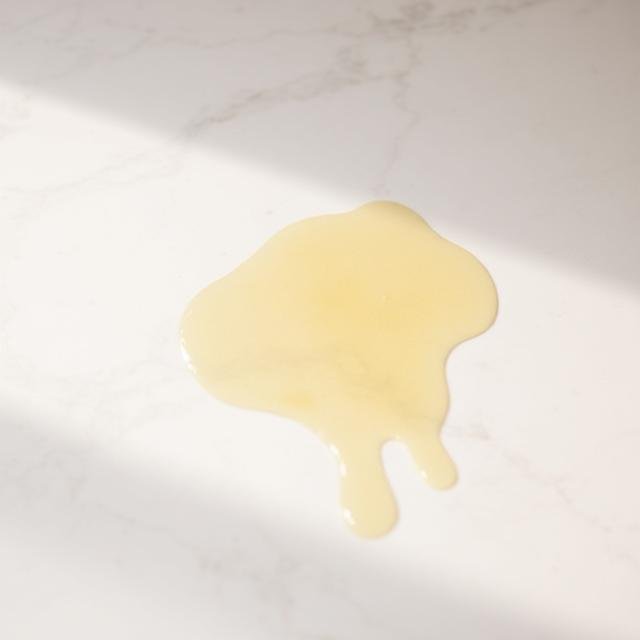
When an accidental spill occurs, knowing how to treat the exact stains substance immediately makes all the difference between a pristine surface and permanent discoloration.
1. Understanding Marble: Porosity vs. Acid Etching
Before treating the marble, it is critical to differentiate between the stain and etch mark.
- A Stain (Absorption): It occurs when it is colored liquid into the microscopic pores of the stone.
- An Acid Etch (Chemical Burn): It occurs when acidic substances like tomato sauce, vinegar, lemon juice react with marble calcium carbonate eating away at the finish. Etching looks like a dull, cloudy polished stone often mistaken for a water mark.
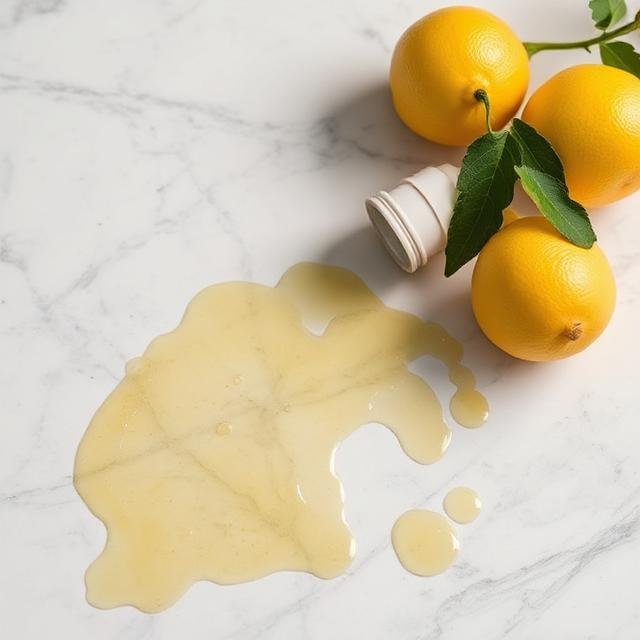
2. General Rules for Marble Care & Safety
- Never use acidic cleaners: Avoid vinegar, lemon juice, ammonia, bleach, or grout cleaners.
- Never use abrasive scrubbers: Steel wool, scouring pads, and gritty powders will scratch the polished sealant.
- Blot, never wipe: Always blot spills inward so you don’t spread the offending liquid across clean stone.
- Use pH-neutral cleaners: Clean routinely using mild liquid dish soap diluted in warm water.
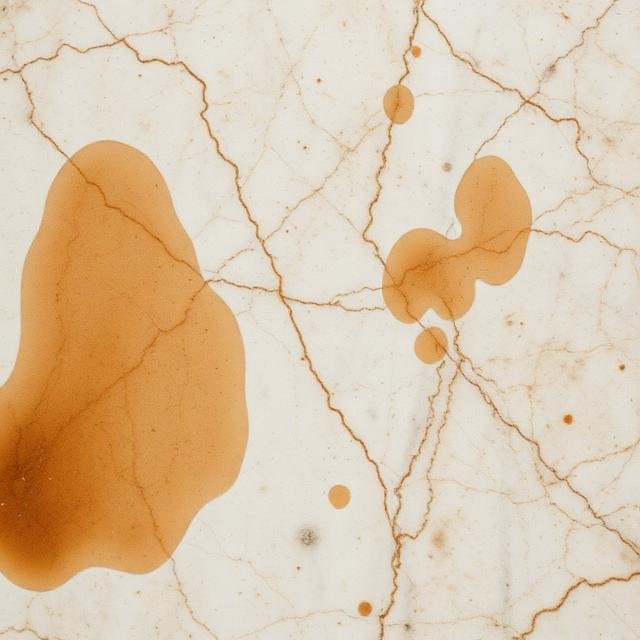
3. How to Remove Specific Marble Stains
A. Oil-Based Stains (Cooking Oil, Butter, Grease, Cosmetics)
Oil stains sink deep into the pores, darkening the marble and resisting simple surface washing.
- The Solution: Baking Soda Poultice
- Blot: Gently absorb any excess standing oil with a paper towel.
- Mix the Poultice: In a small bowl, mix baking soda with a small amount of warm water until it reaches the consistency of thick paste.
- Apply: Spread the paste over the stain in a layer roughly ¼-inch (6 mm) thick, extending ¼-inch past the stain edge.
- Cover & Tape: Cover the area with plastic wrap and tape the edges down with painter’s tape. Poke 2–3 tiny pinholes in the plastic to allow slow drying.
- Wait & Remove: Leave it for 24 hours. As the poultice dries, it draws the oil out of the stone into the paste. Once dry, scrape it away gently using a plastic scraper, wipe with a damp microfiber cloth, and buff dry. Repeat if necessary.
B. Wine, Fruit Juice, and Tannin Stains
Red wine delivers a double blow: its deep anthocyanin pigments stain the stone, while its high acidity can simultaneously etch the polish.
- The Solution: 12% Hydrogen Peroxide Poultice
- Immediate Step: Blot up the wine instantly. Flush the area with warm water and mild soap to dilute the acid.
- Prepare the Poultice: Mix food-grade with 12% Hydrogen Peroxide (H₂O₂) with baking soda into a paste.
- Apply: Smooth the paste generously over the wine stain.
- Cover: Seal with plastic wrap and painter’s tape for 24 hours.
- Rinse & Assess: Wipe clean with warm water and dry thoroughly. If a dull spot remains after the color is lifted, you are dealing with an etch
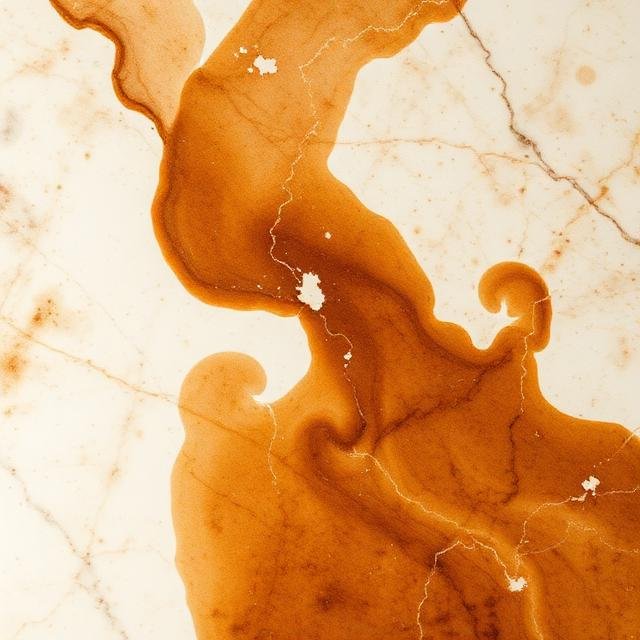
C. Coffee and Tea Stains
Like wine, tea contains organic tannins that have yellow discolorations deep into unsealed marble.
- The Solution: Liquid Hydrogen Peroxide & Ammonia Flush
- For light or fresh coffee marks, moisten a soft microfiber cloth with a few drops of 12% hydrogen peroxide and a drop of household ammonia.
- Dab directly onto the stain. Let it rest for 10–15 minutes to oxidize the organic compounds.
- Wipe clean with a damp cloth and buff dry.
- For set-in coffee rings, use the same baking soda and hydrogen peroxide poultice method described for wine.
D. Acid Etch Marks (Vinegar, Citrus, Wine, Tomato Sauce)
Because the etching is chemical damage to the stone rather than pigment absorption will not fix it. You must re-hone or polish the stone surface.
- The Solution: Marble Polishing Powder (Tin Oxide)
- Clean: Wipe the area clean of all debris using a pH-neutral cleaner.
- Dampen: Wet the etched patch lightly with clean water.
- Apply Marble Polishing Powder: Sprinkle a small amount of marble polishing compound directly over the dull spot.
- Buff: Using a damp microfiber cloth or a polishing pad, rub in firm, circular motions for 2 to 4 minutes.
- Inspect: Wipe away the slurry to inspect the sheen. Repeat until the luster matches the surrounding polished stone.
- Deep Etches: If the etching is rough to the touch or covers a large area, professional restoration with diamond polishing pads will be required.
4. Prevention: Sealing and Maintenance
- Reseal Annually: Apply a high-quality, penetrating, solvent-based stone sealer every 6 to 12 months. Test with the Water Drop Test: place a few drops of water on the surface; if it beads up, your seal is intact. If it absorbs and darkens the stone within 10 minutes, it is time to reseal.
- Use Coasters and Trivets: Always protect countertops with coasters under glassware (especially wine and citrus cocktails) and heat pads under hot pots.
- Keep Cutting Boards Close: Never chop lemons, tomatoes, or onions directly on marble.
Conclusion
Marble is an investment that matures with grace when maintained with the right methods. Rather than panicking when accidents strike, remember the golden rules: blot immediately, identify whether you are treating an organic stain, an oily residue, or a chemical etch, and rely on gentle, targeted poultices and polishing compounds. By skipping harsh household acids and keeping your stone properly sealed, your marble surfaces will maintain their radiant, pristine beauty for decades to come.
Frequently Asked Questions (FAQs)
Q1: Can I use vinegar or Bar Keepers Friend on marble?
No. Vinegar is highly acidic (acetic acid) and will instantly etch and dull marble. Standard Bar Keepers Friend contains oxalic acid, which will destroy a polished marble finish. Always stick to pH-neutral cleaners or specialized marble products.
Q2: Will a poultice scratch my marble surface?
No, provided you use fine baking soda, chalk, or diatomaceous earth and a plastic putty knife or spatula to scrape it away. Never use metal spatulas or razor blades directly on the flat stone.
Q3: Why did my stain disappear, but leave behind a dull white ring?
The colored pigment was removed, but the original liquid was acidic (e.g., wine, citrus, vinaigrette) and etched the polish. You need to buff the dull ring with marble polishing powder to restore its reflective luster.
Q4: Is dark or black marble treated differently?
Yes. Hydrogen peroxide has bleaching properties that can cause lightening on black or dark green marbles (such as Nero Marquina or Verde Alpi). For dark marble, use acetone or mineral spirits with diatomaceous earth for oil stains, or consult a stone care specialist.

