
The natural stone surfaces range from the timeless elegance of Italian marble like Statuario and Calacatta marbles to the rustic charm of slate and quartzite. They are premium marbles and they are significant architectural investments. The durability is undeniable, and the surface chemistry is remarkably sensitive. Everyday cleaning routines often introduce chemical hazards that can permanently alter the stone’s clarity and texture. Protecting these investments requires strict adherence to chemical equilibrium through the use of pH-neutral solutions.
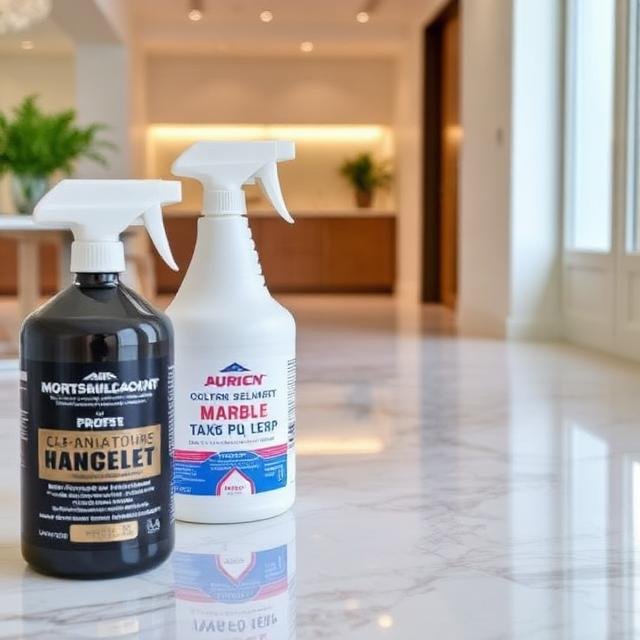
The vulnerability of natural stones originates from their mineralogical composition. It is composed of calcium carbonate stones like marble and limestone, which react with acidic agents and resulting structural surfaces. In this guide
protective sealants and dully polished surfaces. This guide explores the chemistry of stone degradation, evaluates the leading pH-neutral formulations available today, and outlines best practices for maintaining pristine natural stone assets.
The Chemistry of Stone Degradation
To understand why pH neutrality is critical, one must examine the chemical interaction between cleaning agents and the mineral matrix of the stone. The pH scale measures the hydrogen ion concentration, represented as a pH value. A value of 7.0 represents absolute chemical neutrality. Any deviation towards acidity ($pH < 7$) or alkalinity ($pH > 7$) poses distinct risks to specific stone classifications.
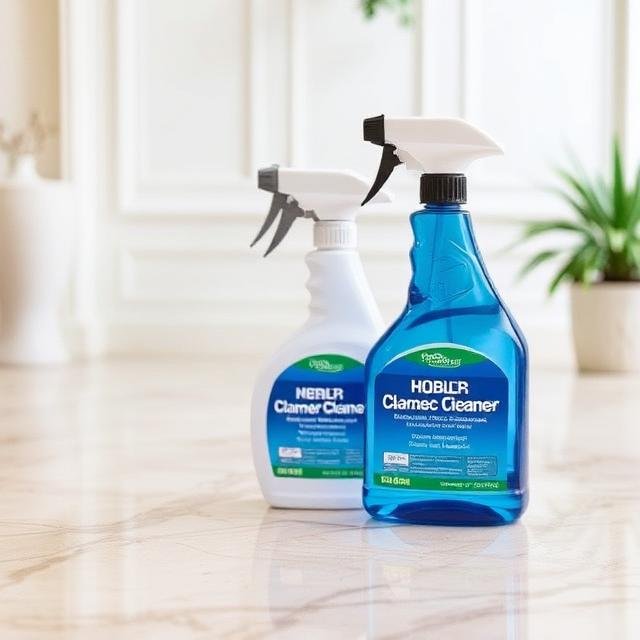
1. Acid Etching (Calcium Carbonate Vulnerability)
Marble, travertine, and limestone are composed of calcite. When an acidic cleaner contacts the surface, a destructive chemical reaction occurs.
“CaCO_3 (s) + 2H^+ (aq) \rightarrow Ca^{2+} (aq) + CO_2 (g) + H_2O (l)”
This reaction dissolves the solid calcium carbonate matrix, converting it into water-soluble calcium ions and releasing carbon dioxide gas. This presents as an etching, a rough mark that cannot be washed away; the physical surface of the stone has been dissolved.
2. Alkaline Degradation and Sealant Stripping
Silicate-based stones like granite and quartzite are highly resistant to acidic liquid, and they are not impervious to chemical damage. The natural stone installations rely on topical impregnating sealers to prevent oil- and water-borne stains.
The Golden Standard of Stone Care: A true professional stone cleaner must maintain a stable chemical equilibrium of pH = 7.0 ± 0.5. This ensures effective surfactant action to lift oils and dirt without triggering ionic displacement or polymer degradation.
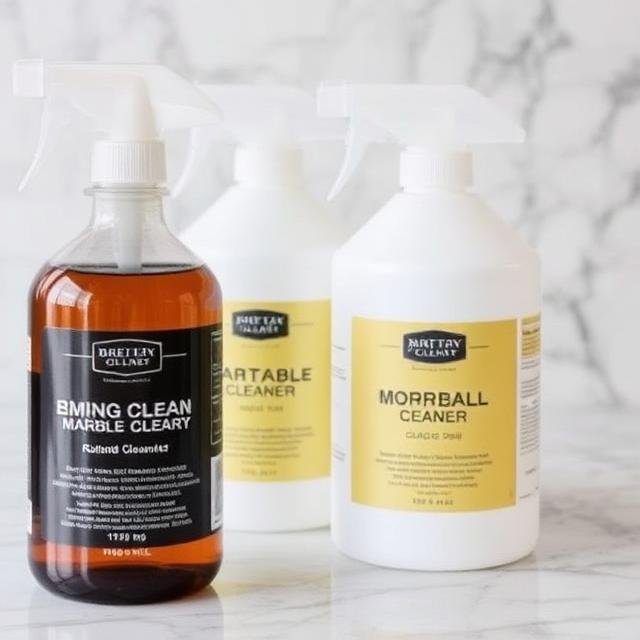
Top Professional pH-Neutral Cleaners Evaluated
When choosing a commercial formulation, the professional conservators and natural stone fabricators rely on specialized, rinse-free formulas that preserve the stone’s natural breathability.
- StoneTech HMR Cleaner
- Target Applications: Marble, Carrara, Granite, Limestone, Travertine, Quartzite.
- Key Benefits: Neutral, rinse-free formula; lifts surface debris without degrading impregnating sealers; leaves no residue lines.
- Black Diamond Marble & Tile Cleaner
- Target Applications: Polished Marbles, Travertine, Fine Ceramic & Porcelain Elements.
- Key Benefits: Formulated with hypoallergenic, biodegradable anionic surfactants; prevents hard water spotting and streaks.
- GranGold Stone & Quartz Daily
- Target Applications: Polished Granite Counters, Quartz, Engineered Composites.
- Key Benefits: Offers streak-free performance; preserves high-gloss factory polishes while maintaining a strict pH 7.0 balance.
- MB Stone Care ‘MB-5’ Spray
- Target Applications: Premium Exotic Marbles, Statuario, Calacatta Gold, Vanities.
- Key Benefits: Specialized formulation designed for high-end optical clarity; contains zero optical brighteners or film-forming polymers.
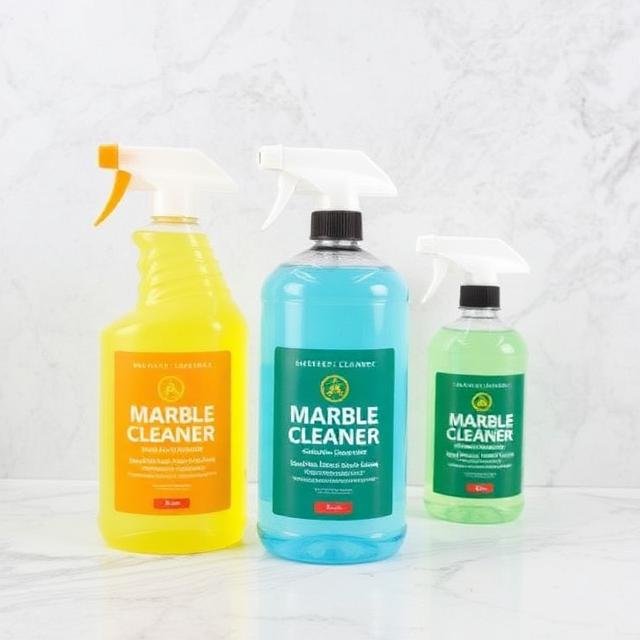
Conclusion
The longevity and aesthetic value of natural stone surfaces depend directly on appropriate chemical management. Acidic and highly alkaline cleaners cause irreversible aesthetic and structural damage, from deep calcite etching on marble to the systematic stripping of protective sealants on granite and quartzite. By implementing a strict maintenance protocol utilizing specialized pH-neutral cleaners ($pH = 7.0$), architects, designers, and homeowners can safeguard these timeless materials, ensuring they retain their brilliant luster, depth, and structural integrity for generations to come.
Frequently Asked Questions (FAQs)
Q: Can I use diluted dish soap to clean my marble countertops daily?
A: While some dish soaps approach neutrality, many contain heavy surfactants, synthetic colorants, and specialized organic acids that can leave a microscopic film behind. Over time, this build-up dulls the polished surface reflection, trapping dirt and requiring aggressive stripping agents later. Specialized, rinse-free pH-neutral cleaners are always preferred.
Q: What is the difference between an etched surface and a stain?
A: A stain occurs when a foreign substance penetrates the open pores of the stone, darkening it from within. An etch is a chemical burn that physically dissolves the surface crystals, leaving a rough, light-colored dull mark. Stains require chemical poultices to extract; etches require mechanical re-polishing with abrasive diamond compounds.
Q: How frequently should a natural stone surface be sealed?
A: For high-traffic areas and porous stones like marble or limestone, sealing should be performed every 12 to 24 months. High-density granites can often last 3 to 5 years. Utilizing professional pH-neutral cleaners daily ensures that these protective sealants last as long as possible.

