
Marble bathroom vanities have timeless luxury, turning every day morning routine into the upscale boutique hotel experience. However, beneath that polished, cool-to-the-touch elegance
Marble bathroom vanities exude timeless luxury, turning an everyday morning routine into an upscale boutique hotel experience. However, beneath that polished, cool-to-the-touch elegance lies a vulnerable geological truth: marble is soft, calcium-rich, and remarkably porous.
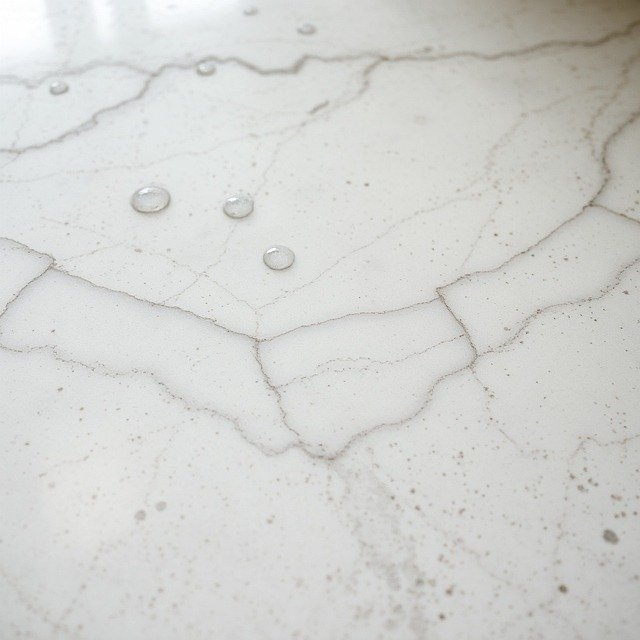
Few sights are as disheartening to a homeowner as spotting a cloudy, dull circle left behind by a glass tumbler, perfume bottle, or damp soap dispenser. While often referred to colloquially as a “water ring,” these blemishes are frequently much more complex than simple moisture marks.
In this comprehensive guide, we will unpack the science behind porous stone, discover why water rings is formed, explore proven prevention techniques, and review restoration tactics to keep your marble vanity looking pristine for decades.
1. The Anatomy of Marble: Why Is It So Vulnerable?
Marble is composed of calcium carbonate. It is formed when limestone is subjected with more heat and pressure. The internal structure is capillaries and fissures.
Porosity vs. Etching: Knowing the Difference
Before addressing prevention, it is critical to distinguish between two completely different types of surface marks:
- Water Staining (Moisture Absorption): Because unsealed stone acts like a sponge, water can seep into the pore structure. When water alone penetrates, the stone darkens temporarily until the moisture fully evaporates. However, if that water carries dissolved minerals, the water evaporates and leaves behind crusty, chalky deposits that bond to the surface.
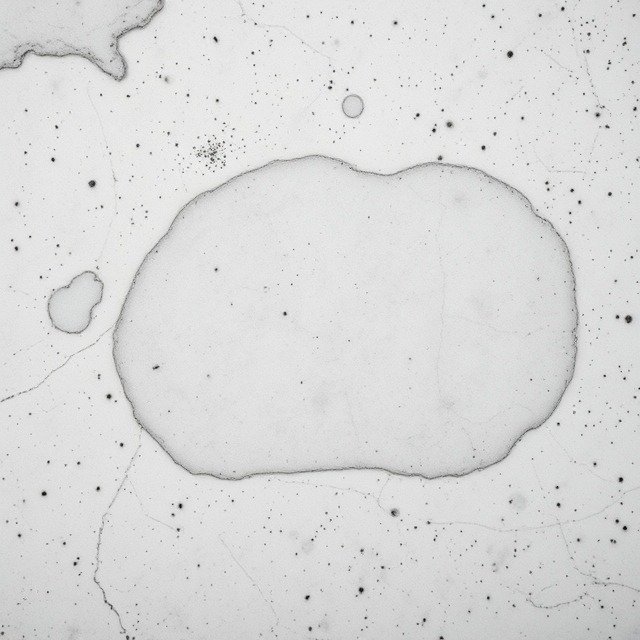
- Acid Etching (Chemical Damage): Most “mysterious water rings” are not stains at all; they are chemical burns. When an acidic substance such as lemon facial toner, mouthwash, salicylic acid cleanser, shaving cream, or even slightly acidic tap water comes into contact with calcium carbonate, a chemical reaction occurs:
This reaction eats away at the top micro-layer of the polished stone, dissolving the reflective crystals and leaving behind a dull, chalky ring that cannot simply be wiped away.
2. Proven Strategies to Prevent Water Rings and Etches
Preventing rings requires a dual approach: chemical defense (sealers) and environmental habits (physical barriers).
A. Apply a High-Quality Penetrating (Impregnating) Sealer
A common misconception is that a sealer forms a plastic-like crust over the stone. In reality, marble requires penetrating/impregnating sealers.
- How they work: Fluoropolymer or silicone-based molecules sink deep into the microscopic pores, lowering the stone’s surface tension so liquids bead up rather than soak in.
- The caveat: Sealers buy you time they make marble hydrophobic (water-repellent) and oleophobic (oil-repellent), but sealers do not prevent acid etching. A drop of lemon juice or glycolic acid will still burn a sealed surface if left resting.
- Frequency: Seal bathroom vanities every 6 to 12 months.
The Water Drop Test: Drop a tablespoon of water on your vanity. If it beads tightly, your seal is strong. If the stone darkens within 5 to 10 minutes, the liquid is absorbing—it’s time to reseal immediately.
B. Curate Functional Surface Barriers
Since bathroom counters host numerous wet items, smart styling is your strongest functional defense:
- Vanity Trays: Keep all soap dispensers, perfume bottles, skincare serums, and drinking glasses on elevated trays made of non-porous materials like resin, acrylic, brass, or glazed ceramic.
- Coasters with Felt or Silicone Backing: Avoid unglazed ceramic coasters that can sweat through; opt for sealed stone, silicone, or cork-backed wood.
- Silicone Hot-Tool & Bottle Mats: Use minimalist, heat-safe silicone trivets for toothbrushes and face washes to catch drips before they reach the stone.
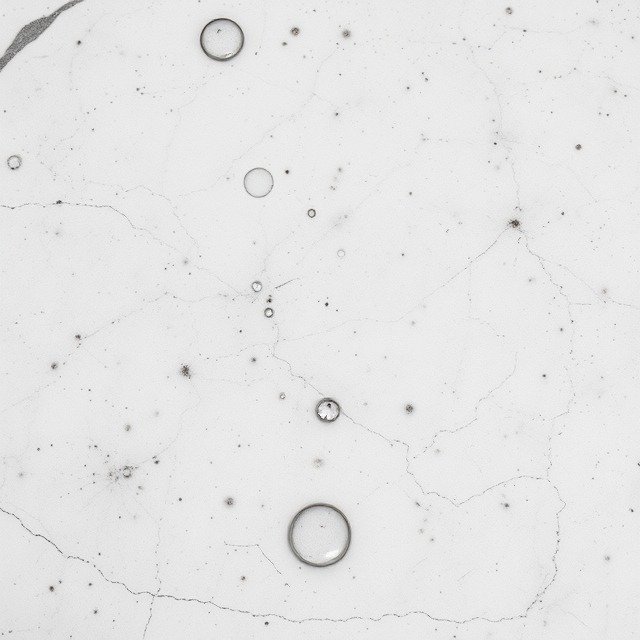
C. Master the Immediate Blotting Habit
- Keep a plush microfiber towel tucked neatly beside the sink.
- Train household members to blot splashes rather than wipe them. Wiping spreads droplets across a wider surface area, increasing the risk of contact with trace acidic residue.
D. Audit Your Bathroom Cabinet
Many daily toiletries are marble hazards. Check labels for:
- Citric acid, glycolic acid, and salicylic acid (serums and face washes)
- Hydrogen peroxide and essential oils
- Vinegar-based “natural” multi-surface cleaners
Store these products inside closed medicine cabinets or on dedicated trays rather than bare stone.
3. Daily Care and Maintenance Routine
Maintaining marble is surprisingly straightforward when you use the right chemistry:
| Do’s | Don’ts |
| Do clean daily with a pH-neutral stone wash or warm distilled water and microfiber. | Don’t use vinegar, lemon juice, ammonia, bleach, or bathroom grout cleaners. |
| Do dry the area around the faucet base after evening and morning routines. | Don’t leave wet washcloths or damp sponges sitting directly on the countertop. |
| Do buff periodically with a dry, clean microfiber cloth to revive surface sheen. | Don’t use scouring pads, abrasive cream cleansers, or rough sponges. |
4. What to Do If a Ring Has Already Appeared
If you already have a ring, diagnose the mark before attempting a fix:
- If it’s a Dark Spot (Water/Oil Stain):
- Solution: Apply a poultice. Mix baking soda with water (for organic/water stains) or acetone (for oil stains) into a thick, peanut-butter-like paste. Apply a 1/4-inch layer over the stain, cover with plastic wrap, poke a few ventilation holes, and let it dry for 24–48 hours to pull the contaminant out of the pores.
- If it’s a Dull, Rough Circle (Acid Etch):
- Solution: For polished marble, use a commercial marble polishing compound (etch remover powder). Wet the area, apply the powder, and buff using a damp microfiber cloth with firm circular motions until the sheen matches the surrounding stone. If the marble has a honed (matte) finish, light dry-buffing with a high-grit diamond abrasive pad (such as 400–800 grit) can blend the blemish.
Conclusion
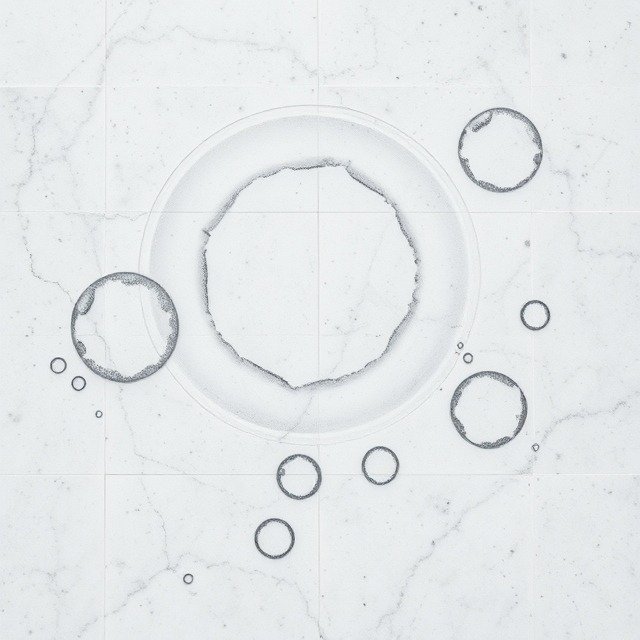
A marble vanity is not a porcelain fixture that can be neglected, nor is it a museum artifact that must never be touched. It is a living, breathing natural stone that reflects how you care for it. By sealing the surface biannually, introducing protective trays, using pH-neutral cleansers, and wiping away standing water promptly, you can eliminate the threat of water rings and preserve the organic luxury of your marble for a lifetime.
Frequently Asked Questions (FAQs)
1. Does sealing marble vanity tops make them 100% stain-proof?
No. Sealers provide stain resistance, not complete immunity. An impregnating sealer fills the stone’s pores, dramatically slowing the absorption rate of liquids and giving you a generous window to wipe away spills. However, sealers cannot prevent acid etching caused by chemical reactions.
2. Can I use car wax or polyurethane on my marble vanity to stop water rings?
You should avoid both. Polyurethane forms a synthetic plastic film that can yellow, peel, and trap moisture beneath the surface, suffocating the natural stone. Standard carnauba wax can discolor light marbles (like Carrara or Calacatta) and attract dust and grime in a humid bathroom environment. Stick exclusively to breathable impregnating stone sealers.
3. Why did a simple glass of water leave a dull ring on my marble?
If the glass held purely water and still left a dull ring, one of two things occurred: either the bottom of the glass carried traces of acidic residue (like citrus juice, cleanser, or wine from a previous use), or your tap water has a high mineral content and alkaline pH that reacted with the polished finish as the droplet evaporated.
4. What is the difference between honed and polished marble regarding water rings?
Polished marble features a mirror-like, glossy finish where etches show up dramatically as dull, hazy patches. Honed marble has a satin, matte finish created by stopping the sanding process early; while it absorbs liquid slightly faster if unsealed, it hides micro-etches and minor water rings much better than polished stone.
5. How can I safely disinfect a marble vanity without etching it?
Never use traditional bleach-based or acidic disinfectant sprays. Instead, use a 70% isopropyl alcohol solution diluted 50/50 with distilled water, or purchase an EPA-registered, pH-neutral disinfectant specifically formulated for natural stone. Spray, let sit for the recommended contact time, wipe clean, and buff dry.

