
Marble flooring in bathrooms have long represented the standard luxury of opulent boutique hotels. Its luminous depth, unique veins, and cool tactile nature make it one of the most sought-after interior materials in the world.
The homeowners embark on the bathroom renovation, and invariably arises the question, is the marble flooring safe for bathroom space?
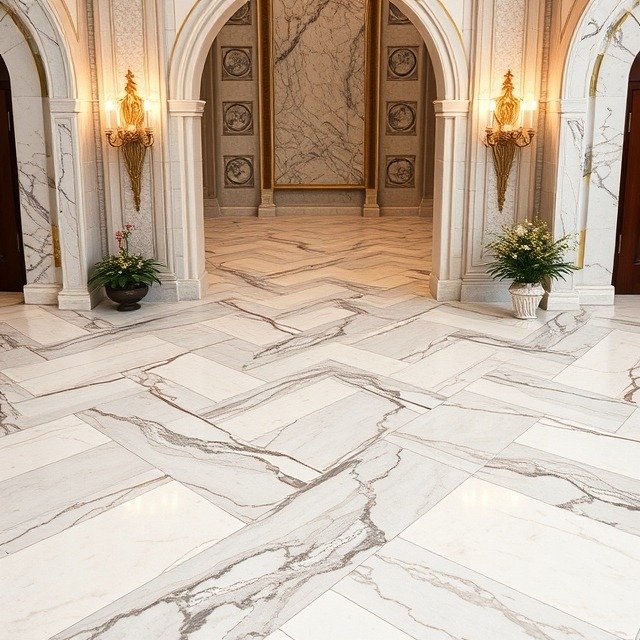
The polished stone turns into an ice rink when the area is wet, and there are nightmares about the moisture-induced etching. However, the verdict is definitive: yes, marble flooring is entirely safe and practical for bathrooms, provided you can choose the correct finish, incorporate slip-mitigating layouts, and apply proper waterproofing and sealing techniques.
This definitive guide breaks down the science of slip resistance, essential waterproofing secrets, and long-term maintenance practices required to keep your marble bathroom safe, functional, and pristine.
1. The Slip Factor: Understanding Friction and Finishes
Marble’s reputation as a hazardous bathroom surface stems almost exclusively from one culprit: polished marble. High-gloss, mirror-polished slabs offer almost no traction once a film of water is introduced.
Dynamic Coefficient of Friction (DCOF)
In architectural and interior standards, safety is measured via the Dynamic Coefficient of Friction (DCOF) using the ANSI A326.3 standard.
- Floors intended for wet interior walkways typically require a minimum DCOF rating of 0.42.
- Polished marble rarely meets this threshold when wet, often dropping below 0.30.
- Honed and textured marbles routinely achieve or exceed a 0.42–0.50 rating.
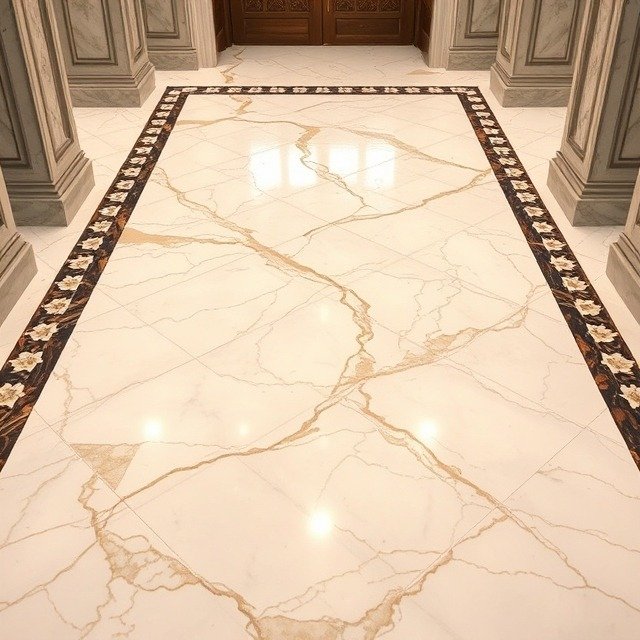
Choosing the Right Finish
| Finish | Texture | Wet Slip Risk | Recommended Bathroom Zone |
| Polished | Ultra-smooth, reflective | High | Powder rooms, dry vanity perimeters only |
| Honed | Satin-matte, velvet touch | Moderate-Low | Main bathroom floor, underfoot vanity areas |
| Brushed / Leathered | Softly undulating, textured | Low | Wet rooms, main floors, walk-in transitions |
| Tumbled / Bush-Hammered | Rough, rustic, micro-grooved | Minimal | Shower floors, wet-room pans |
The Grout Line Advantage: The Power of Smaller Formats
If you have fallen in love with a smooth-surface marble, there is an architectural secret: tile format.
Instead of large-format slabs inside wet areas, opt for mosaics. In a mosaic layout, the frequent grid of grout lines acts like the tread on a tire, providing mechanical grip under bare feet, even when wet.
2. Waterproofing Secrets: Protecting Marble from the Inside Out
Marble is a metamorphic rock formed from recrystallized limestone. By nature, it is porous and calcium-rich. It absorbs standing water, reacts strongly with acidic compounds, and can suffer from efflorescence or sub-surface staining if moisture migrates from underneath.
Achieving a waterproof installation requires a layered defense:
A. Sub-Surface Waterproofing Membrane
Waterproofing begins underneath the tile. Never install marble over greenboard drywall or bare cementitious backer units without an elastomeric or sheet waterproofing membrane. In curbless and walk-in showers, ensure the pan is sloped precisely toward the drain to eliminate ponding beneath the stone.
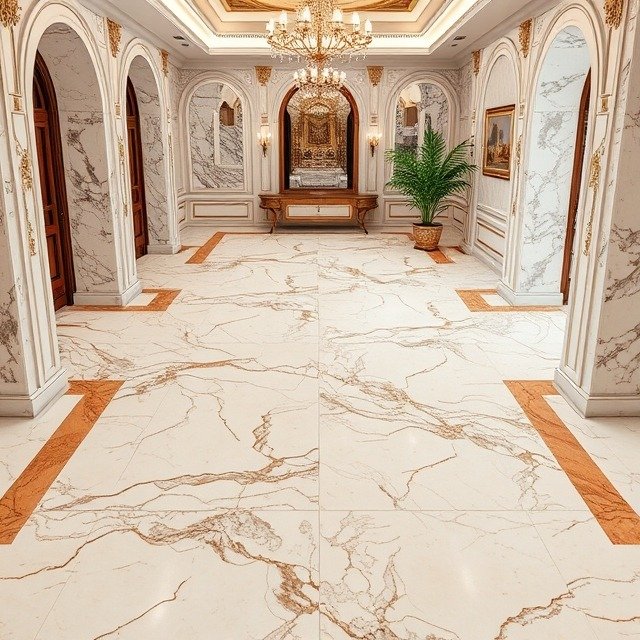
B. Penetrating Impregnating Sealers
Surface waxes or topical coatings should never be used on bathroom marble; they trap vapor, alter traction, and yellow over time. Instead, use a solvent-based or fluoropolymer penetrating impregnator:
- These sealers sink into the microscopic pores of the stone, repelling liquid water and body oils while allowing interior moisture vapor to escape (“breathe”).
- Apply prior to grouting to prevent grout pigmentation from staining the edges, and reapply thoroughly after the grout has cured.
C. Grout Selection Matters
Use high-performance, stain-resistant, pre-mixed or epoxy-modified grouts designed for natural stone. Standard unsealed cementitious grouts absorb water and wick it directly into the flank of the marble tiles, causing dark water rings around tile edges.
3. Designing a Safe, High-End Marble Bathroom: Best Practices
To combine five-star aesthetics with everyday safety, implement these designer-approved strategies:
- Zone Your Finishes: Use large, honed tiles for the dry bathroom expanse, transition to matching brushed stone near the tub, and specify a textured mosaic inside the shower curb.
- Install Radiant Floor Heating: In-floor electric heating cables (such as Ditra-Heat) not only deliver underfoot comfort but also dramatically speed up evaporation, drying out wet floors in minutes after a shower.
- Strategic Mat Placement: Utilize plush, rubber-backed bath mats or teak duckboards directly outside the tub or shower stall to capture initial runoff.
- Anti-Slip Treatments: For existing polished marble, professional microscopic anti-slip treatments (chemical micro-etching) can raise wet friction without dulling the stone’s optical clarity.
Conclusion
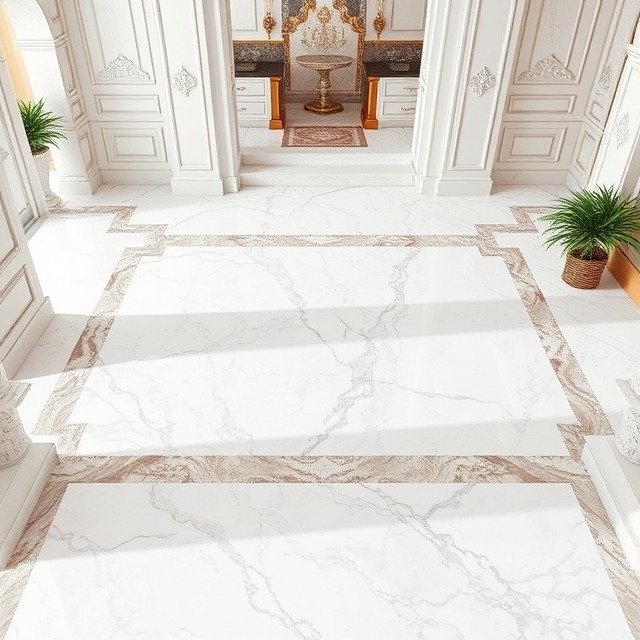
Marble flooring does not have to be an impractical hazard. By avoiding polished surfaces in wet zones, taking advantage of the natural friction provided by mosaic grout grids, installing comprehensive sub-floor waterproofing, and maintaining a high-grade penetrating sealer, you can enjoy the timeless grandeur of natural stone without compromising on everyday safety or longevity.
Frequently Asked Questions (FAQs)
1. Does sealing marble make it slip-resistant?
No. Penetrating sealers soak beneath the surface to prevent liquid absorption and staining; they do not alter surface texture or improve traction. In fact, topical sealers (which sit on top of the stone) can make wet floors even more slippery. Slip resistance comes from surface finish (honed/brushed) and grout line density.
2. How often should marble bathroom floors be sealed?
In a residential bathroom, marble flooring should be resealed with a penetrating impregnator every 12 to 18 months. To test if your floor needs resealing, place a few drops of water on the surface: if it beads up after 10 minutes, the seal is intact; if the stone darkens and absorbs the water, it is time to reseal.
3. Will shampoo, soap, or shower gels damage marble floors?
Yes, if they are acidic. Marble is calcium carbonate ($CaCO_3$), which dissolves on contact with acids (such as citrus-based cleansers, vinegar, or acidic personal care products). Always use pH-neutral, stone-safe body washes and cleaners, and wipe away spills promptly to avoid “etching” (dull spots).
4. Can you use bleach or vinegar to clean bathroom marble?
Never. Vinegar, bleach, ammonia, and standard limescale removers will aggressively etch or strip marble. Clean exclusively with warm water, microfiber mops, and dedicated pH-neutral natural stone cleaners.

