
Marble countertops bring warmth to the kitchen, living room, and bathroom. As it is a porous metamorphic natural stone composed of limestone, i.e., calcium carbonate, it can absorb liquid easily and react quickly to any acidic liquids. Without the protection, the spills from red wine, coffee, and cooking oil penetrate micro capillaries and cause permanent stains.
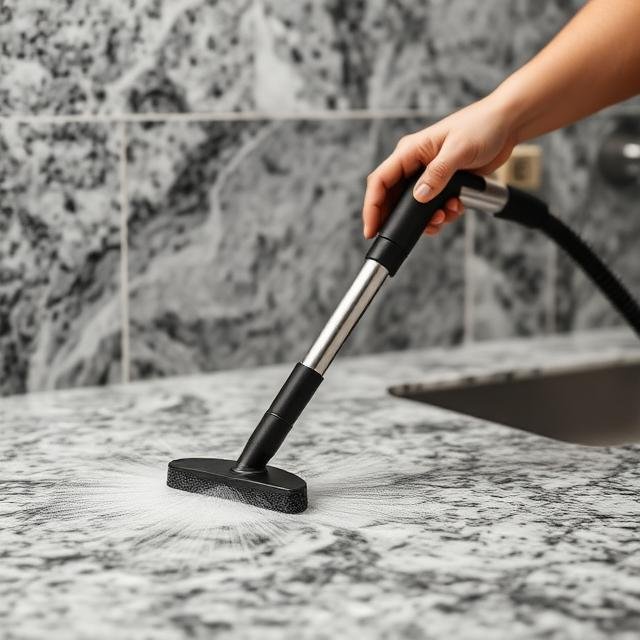
The sealing of marble is required, and in this guide you will know how to prepare, apply, and maintain the sealed marble surface to keep it intact.
What Sealers Do (and Don’t Do)
- What Sealing Does: An impregnating fluoropolymer resin enters the pore structure of the marble stone, and it makes it repellent to acidic liquids, water, and oil.
- What Sealing Does Not Do: It does not prevent acid etching and chemical dissolution of calcite crystals on contact and leaves surface dull marks, while the sealer protects against pigmentation stains and not chemical burns.
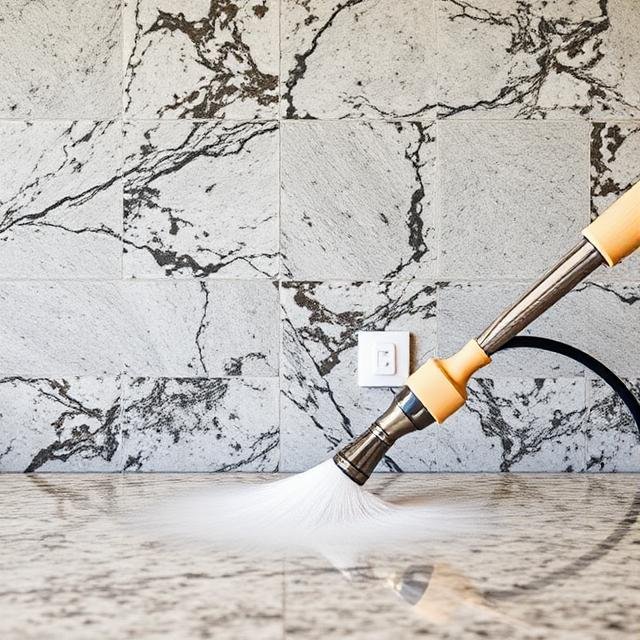
Step 0: The Water Drop Test
- Pour 1 to 2 tablespoons of clean water onto a high-traffic area
- Monitor the spot for 15 to 20 minutes:
- Under 5 minutes: The stone darkens quickly. The marble is unprotected and needs immediate sealing.
- 10 to 15 minutes: The stone darkens slightly. The seal is wearing thin; apply a fresh coat.
- 30+ minutes: The bead stands tall with zero stone discoloration. The seal is intact; re-test in 3 to 6 months.
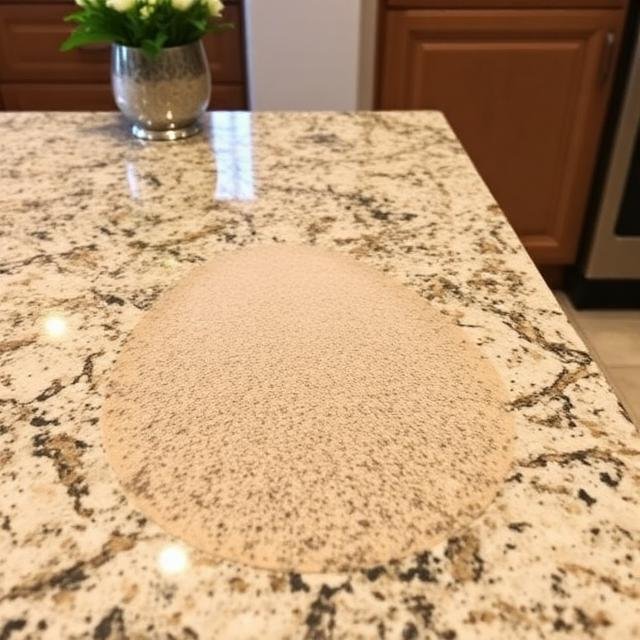
Tools & Materials Checklist
| Category | Required Items |
| Sealer | Impregnating/penetrating stone sealer (solvent- or water-based fluoropolymer formula) |
| Cleaners | Dedicated pH-neutral stone cleaner (or denatured alcohol diluted with distilled water) |
| Application | Microfiber applicator pad, foam paint brush, or lint-free microfiber cloth |
| Buffing | 3–5 clean, dry, lint-free microfiber towels (plush 300+ GSM) |
| Safety | Nitrile gloves, eye protection, and proper room ventilation |
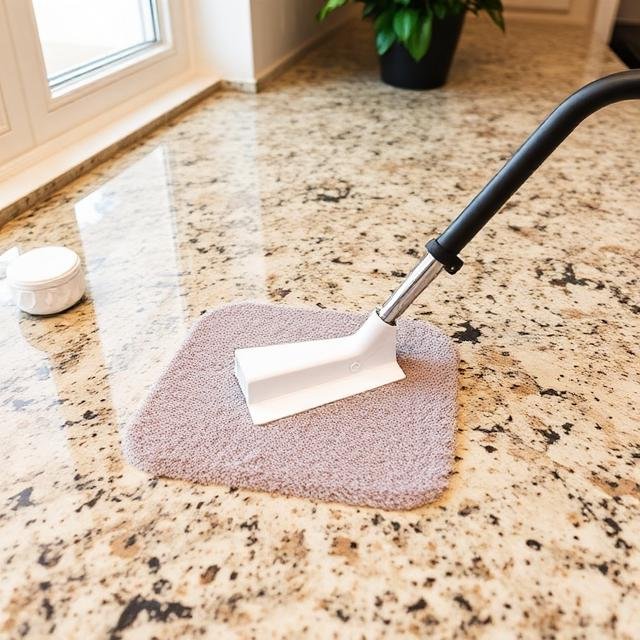
Step-by-Step Sealing Process
Step 1: Deep Clean and Degrease
Trapped dirt will remain sealed under the finish. Clean the counter with a dedicated pH-neutral stone liquid and wipe it thoroughly with a damp microfiber cloth. Never use vinegar, bleach, or dish soaps that leave glycerin films.
Step 2: Dry Thoroughly (6–12 Hours)
Let the countertop dry completely for at least 6 to 12 hours. Moisture trapped inside stone pores prevents the sealer from penetrating, which causes a cloudy haze.
Step 3: Test a Hidden Spot
Apply a drop of sealer on an inconspicuous spot (under an appliance or along an overhanging edge). Buff dry after 10 minutes to verify there is no unwanted color shift or sheen alteration.
Step 4: Generously Apply the Sealer
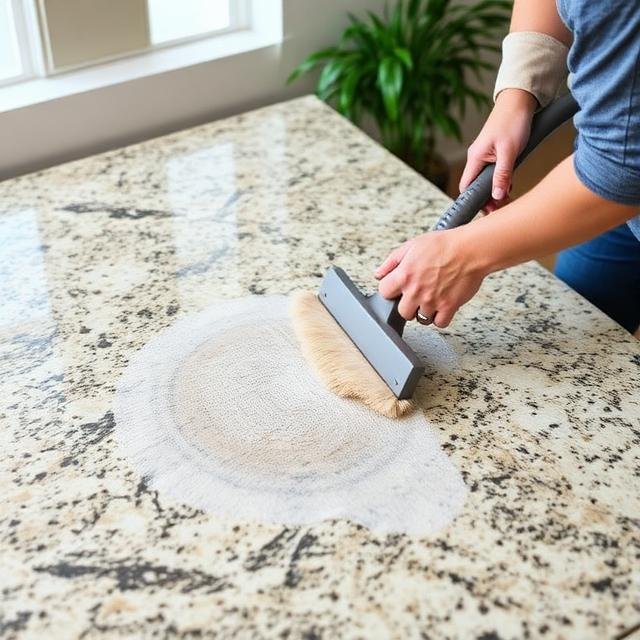
Work in 3-foot by 3-foot sections. Pour or spray sealer onto the counter and spread it evenly using a microfiber pad or foam brush. Keep the surface visibly wet with a thin film of sealer for 10 to 15 minutes. If dry patches appear, add more sealer to maintain continuous saturation.
Step 5: Buff Off All Excess Residue
Do not let excess sealer dry on top of the counter. Before the liquid turns tacky after 15 minutes, use a clean, dry microfiber cloth to buff away all remaining liquid until the surface feels dry and streak-free.
Step 6: Apply a Second Coat (Porous Marbles)
For porous white marbles, apply a second coat 30 to 45 minutes after buffing off the first coat. Repeat the dwell and buffing sequence.
Step 7: Curing and Maintenance
Allow 4 to 6 hours for light use. Keep the counter free of standing liquids, oils, and wet cloths for a full 24 to 48 hours to let the sealer cross-link completely.
Conclusion
Sealing marble countertops is a cost-effective DIY maintenance routine that protects your investment. Dedicating less than two hours once or twice a year establishes an invisible hydrophobic shield that repels everyday stains while keeping the stone’s organic character intact. Routine care with pH-neutral cleaners and prompt cleanups will keep your marble pristine for decades.
Frequently Asked Questions (FAQs)
Q1: How often do marble countertops need to be sealed?
Most kitchen countertops require sealing every 6 to 12 months. Lower-use surfaces like bathroom vanities can last 12 to 24 months. Always use the water drop test to check rather than relying on a rigid calendar schedule.
Q2: What is the difference between water-based and solvent-based sealers?
Solvent-based penetrating sealers have smaller molecular structures that penetrate deeper into dense stone, providing superior oil resistance and longevity. Water-based sealers feature lower VOCs, emit minimal odor, and are easier to use in enclosed rooms.
Q3: Will sealing remove existing stains and etching?
No. Sealers are strictly preventative. Existing oil or pigment stains require a baking soda or hydrogen peroxide poultice treatment prior to sealing. Etch marks (dull rings) require diamond-honing powders or stone polishing compounds.
Q4: Can I use olive oil or mineral oil to seal marble?
Never use cooking or mineral oils. They soak into stone capillaries, oxidize, turn rancid, and create dark, permanent grease discoloration. Use only penetrating stone impregnators.

