
In the realm of high-premium interior design, some materials command attention, like onyx. A translucent stone layered with rich swirling veins of chalcedony, onyx possesses an intrinsic natural beauty that has fascinated artisans for centuries.
However, the dramatic potential is unlocked only when it interacts with light. The backlit onyx transforms from an exquisite decorative stone into a glowing masterpiece and serves as the ultimate architectural centerpiece for a luxury living room.
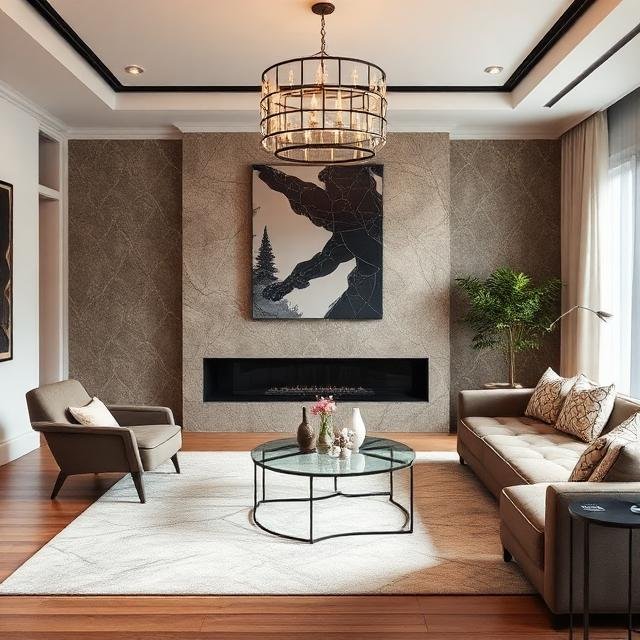
By infusing the light through the crystalline structure, backlit onyx accentuates subterranean geometric patterns and multidimensional depth that would remain hidden. Whether deployed as a monumental media wall, a sophisticated home bar background, a master bedroom, or fireplace surroundings, the natural stone and artificial illumination require careful curation and precise engineering and structural foresight.
Selecting the Perfect Onyx Slab
Every slab of onyx has a unique geological fingerprint. When it is designed with a backlit feature, the selection process must balance aesthetic aspirations with the stone’s intrinsic mineral traits. The chemical composition tells how the light can scatter through the surface:
- White Onyx & Crystal Onyx: The highest light transmission creates a pure, bright, and clean luminescent canvas suitable for minimalist aesthetics.
- Honey & Amber Onyx: It is radiant gold with undertones. This variety creates a cozy and intimate ambiance within the formal sitting areas.
- Emerald & Multi-Color Onyx: The dense, dramatic vein pattern with light pierces through the fractured translucent pockets, creating a high-contrast artistic effect.
When inspecting the slab, always request a flashlight test. This reveals how the veins shift under the illumination and exposes any natural structural fissures that may require reinforcement with fiberglass mesh backing.
Technical Framework: Light Sources and Diffusion
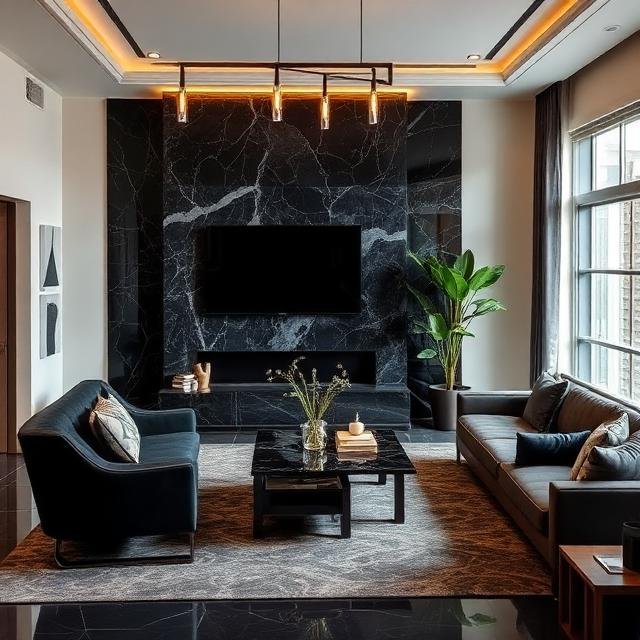
The brilliance of backlit onyx when installed on the technology concealed behind it is striking. The goal is to get perfectly uniform illumination across the entire slab while completely eliminating the hot spotting visible in points of individual light caused by structural framing.
In order to avoid hot spots and achieve an immaculate glow, the relationship between light positioning and stone distance can be estimated using the linear aspect ratio. Modern architectural standards favor custom-engineered LED light panels over standard flexible LED strips. LED light panels utilize a matrix of grid-etched acrylic sheets that edge-light the surface and distribute the light mathematically evenly across the entire expanse.
Structural Integration and Access Planning
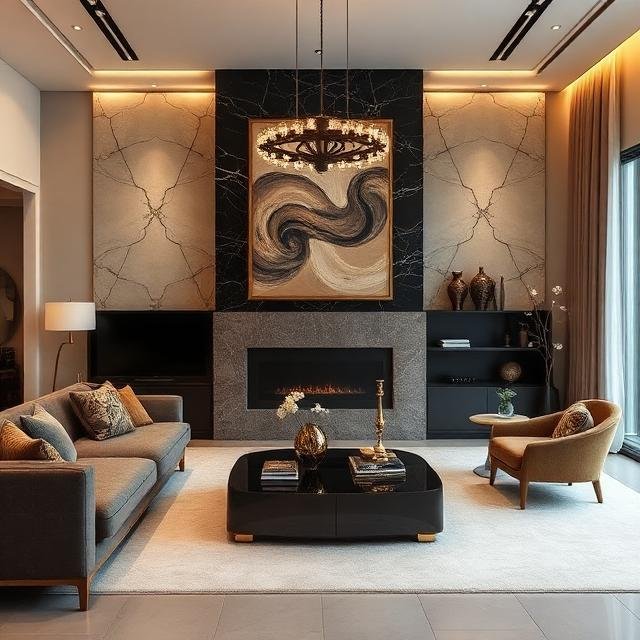
Onyx is notoriously fragile, and it usually ranges between 45 and 60 kg/m² for standard 20 mm thick slabs. It must be supported by robust, independent steel or timber. The stone is typically sandwiched securely within the custom metal tracks in place using low-profile architectural standoffs.
The installation must never be completely sealed without an operational access plan. The modern solid-state LEDs boast long lifespans; the external drivers, transformers, and dimming controllers are prone to eventual wear. Position these electronic components in an accessible, ventilated adjacent cabinet that facilitates the effortless maintenance without risking the damage to the priceless stone facade.
Conclusion
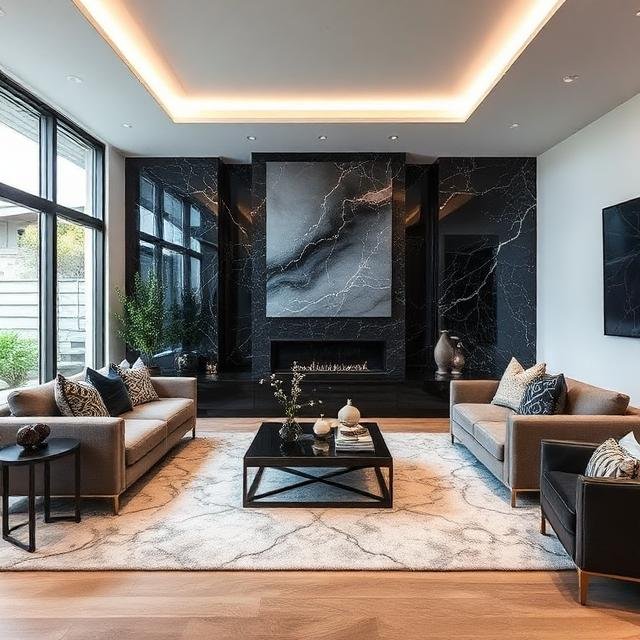
Integrating backlit onyx into your living room transcends typical interior decoration; it is an investment in functional architectural art. By marrying the organic complexity of prehistoric mineral formations with precision-engineered lighting systems, you create a dynamic spatial element that changes character from morning to night. It stands as a profound testament to luxury, refined taste, and technological harmony.
Frequently Asked Questions (FAQs)
- Can backlit onyx be used safely around a fireplace? Yes, onyx can withstand ambient warmth, but it should not come into direct contact with open flames or extreme heat. Utilize adequate thermal insulation barriers and ensure a clear air gap between the firebox insert and the stone framing.
- What color temperature is ideal for lighting onyx? For honey, gold, and amber stone varieties, warm temperatures (2700K−3000K) enhance their natural radiance. For white, pink, or cold-toned green onyx, a neutral light (4000K) keeps the marble background crisp and vibrant.
How do you clean and maintain an onyx feature wall? Onyx is a calcium-based stone highly susceptible to acids. Clean exclusively with a soft microfiber cloth slightly dampened with water or a specialized pH-neutral natural stone cleaner. Avoid abrasive sponges and aggressive household chemical cleaners.

