
In the landscape of 2026 kitchen design, an important shift is occurring. After centuries of dominance of engineered surfaces, natural stone is reclaiming its position as the premier choice for luxury and high-traffic areas.
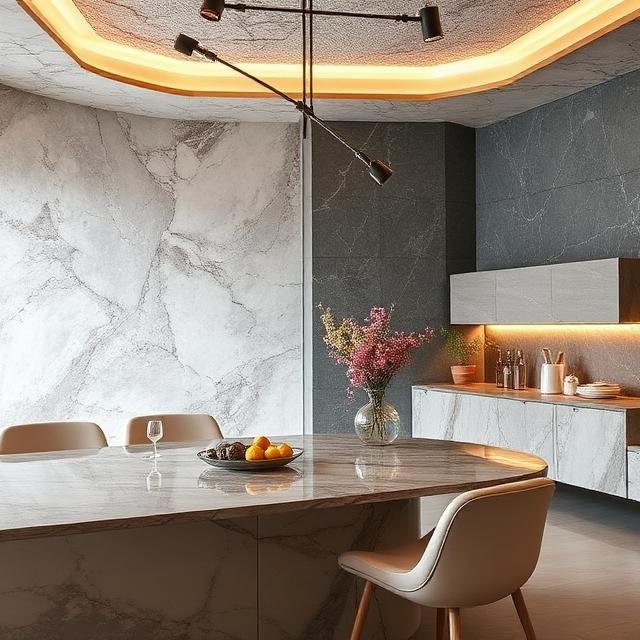
While quartz rose to popularity for its uniform veins, the market is pivoting back to granite due to its unmatched thermal resilience, evolving safety regulations, and the unique biophilic value of authentic geological materials. In this comprehensive guide lets us explore the Granite vs. Quartz in 2026.
The Durability Metric: Granite vs. Quartz in 2026
When you are evaluating the surfaces for 2026 for your dream home, the objective is not only durability metrics; also, one should know the reason why granite remains as a highly performing material in kitchens.
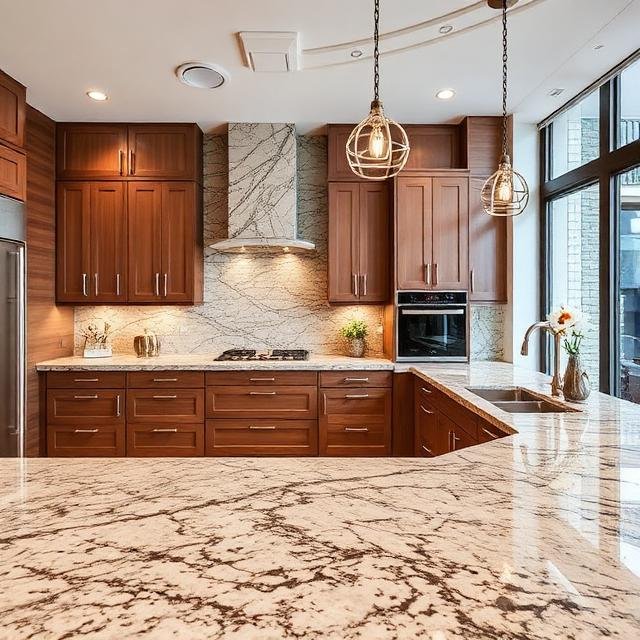
1. Hardness and Scratch Resistance
Both materials have exceptional performance on the Mohs scale of mineral hardness, but their compositions offer different benefits:
- Granite: Usually, the rates are between 6 and 7 on the Mohs scale. It is composed of quartz, mica, and feldspar. As it is a natural igneous rock, it is highly resistant to scratching from stainless steel knives.
- Quartz (Engineered): Also, the rate of granite is approximately 7 on the Mohs scale, as it is comprised of ~90% crushed quartz. However, the resin binders that hold the quartz are susceptible to surface scuffing over time.
2. Extreme Heat Resistance
The most critical technical differentiator in 2026 is thermal stability:
- Granite: As a volcanic rock is formed under high pressure and heat, granite has the capacity to withstand the high temperature exceeding 1,200°C before it melts. Practically speaking, in kitchen use, the granite can tolerate thermal shocks from pots directly off the stove with a minimal risk of structural failure, though rapid cooling can eventually induce microcracks over long periods.
- Quartz: the countertops use petroleum-based resins that can be used as a binder, and it is vulnerable to thermal shock. The resins can melt at temperatures as low as 150°C (300°F). Placing a hot pan directly on quartz in 2026 is considered a warranty-voiding action.
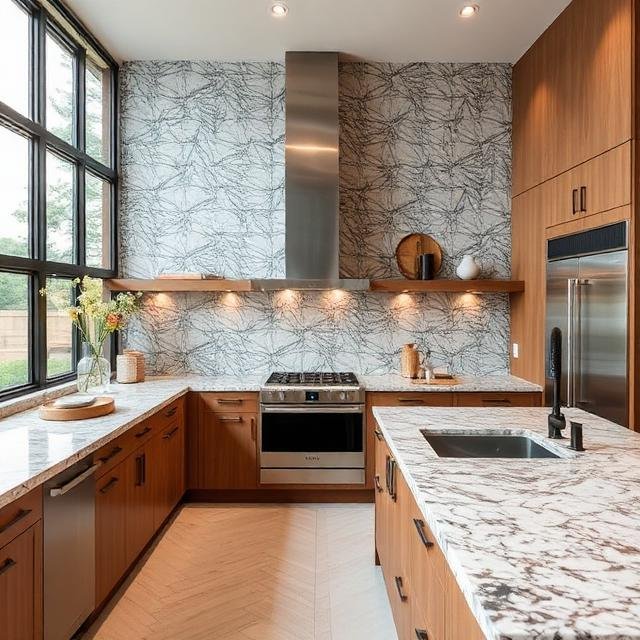
The 2026 Market Shift: Health and Sustainability
A major driver for the resurgence of natural stone is tightening global regulations on engineered stone.
- Silicosis Concerns: The engineered stone is comprised of 95% crystalline silica, while the granite has 30%. The high-profile bans and the safety protocols in regions like Australia and other EU regions have influenced the consumer to prefer the natural granite, as it is safer and the best alternative for the laborer who can fabricate the slabs.
- Environmental Impact: The quartz is marketed as eco-friendly because it uses the quartz waste and the resin binders; it is often derived from the non-renewable petroleum. The granite is a 100% natural product with a lower chemical processing footprint.
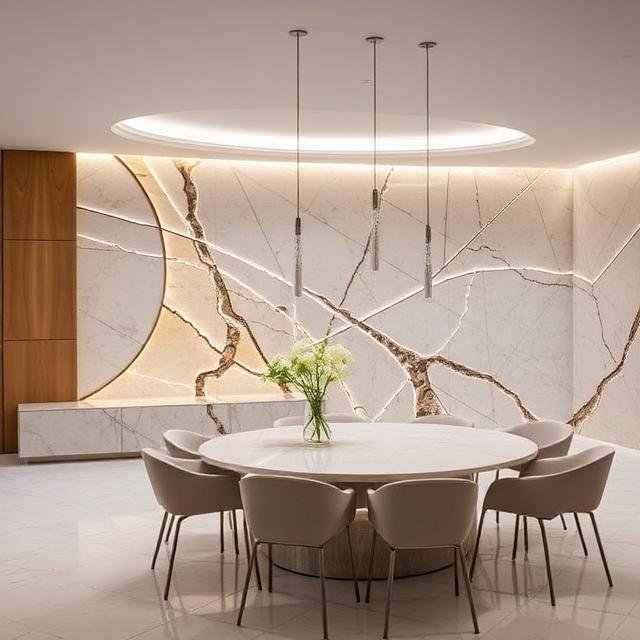
Comparison Table: Technical Specs
| Metric | Granite (Natural Stone) | Quartz (Engineered) |
| Mohs Hardness | 6 – 7 | 7 |
| Heat Resistance | Up to 1,200°C (Melt point) | ~150°C (Resin damage) |
| Silica Content | ~30% | Up to 95% |
| UV Resistance | High (Excellent for outdoor) | Low (Resins yellow in sun) |
| Sealing Required | Yes (Every 1-5 years) | No |
Conclusion
As we are moving through 2026, the deamandemandd for natural stone is increasing,demandincreasing, and it is not just design aesthetics,, but it is a choice based on technical superiority and longevity.
It is the bestbest choice based on the fact thatthe fact that quartz offferes maintenance froffers maintenance-freeee living, while graniteoffers maintenance-freegranites provides a heat proofgraniteheatproof, UV stable heatproof,-stable,and chemically inert surface that are engineered products that cannot replicate.
For-stable,be replicated. the homeowners be replicated.homeowners,the uniquehomeowners,e veins of granite slab represent a literal piece of Earth’s history that engineered stone can only imitate.
FAQs
Q: Does granite still need to be sealed in 2026?
A: Yes, in 2026 nano sealant now lasts up to 10 years, making the high-maintenance reputation of granite a thing of the past.
Q: Is quartz cheaper than granite?
A: In 2026, the price gap is very close; the starting price of granite is often cheaper than high-end Calacatta-look engineered quartz.
Q: Which is better for an outdoor kitchen?
A: Granite is the winner, and the resins in quartz will yellow and degrade under UV exposure, whereas granite is UV stable.

