
Introduction: The Core Distinction
During the selection of natural stone for commercial or residential projects, granite remains the best option, as it is the golden standard for aesthetics, elegance, durability, and ease of maintenance. However, the characteristics of the stone are profoundly altered by its surface finish. The most prominent finishing techniques for granite are flamed and polished. It creates entirely distinct surfaces tailored for separate applications, aesthetic design, and safety parameters.
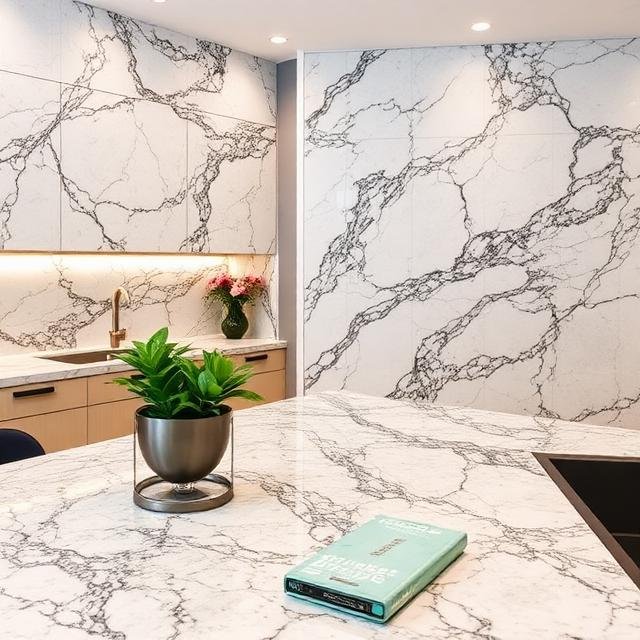
In short, polished granite has a glossy finish and a reflective surface that enhance the stone coloration and vein pattern. It is ideal for indoor and less moist environments. While the flamed granite is processed with high temperature that fractures the crystal surface, produces a rough surface, has an anti-slipper finish, and is highly suitable for heavy traffic outdoor environments and wet areas.
What is the main difference between flamed and polished granite?
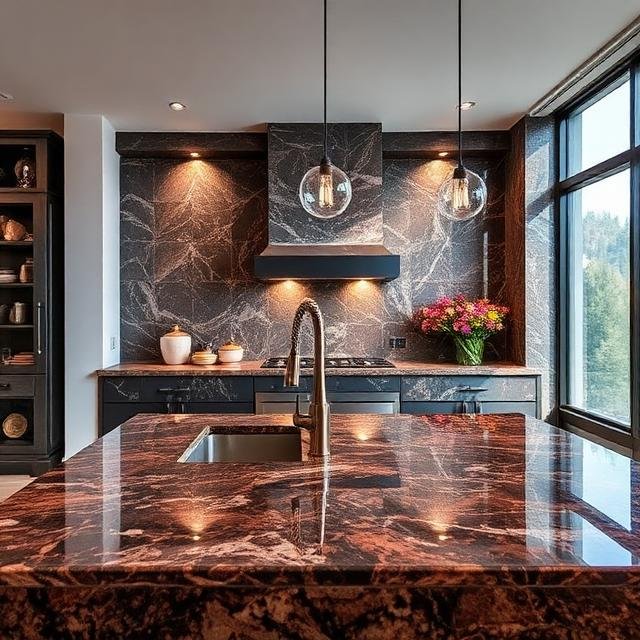
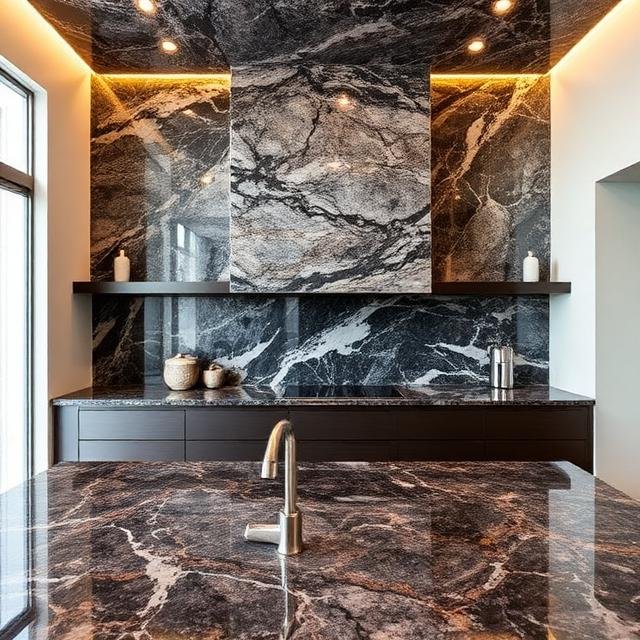
The main difference in the two surface textures is appearance and applications. Polished granite is smooth, highly reflective, and glossy in texture and has deepened the stone’s color. It is good for indoor kitchen areas like countertops and featured walls. While flamed granite is a rough surface and has an anti-slippery texture, it is created with intense heat. It makes a safe option for outdoor patios, walkways, and bathroom areas.
3. Comprehensive Finishing Processes
The Polishing Process
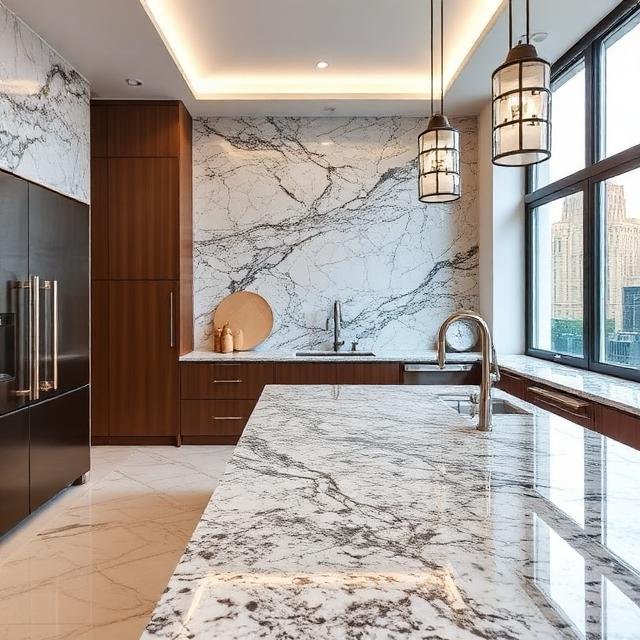
Polished granite is achieved by mechanical abrasion. The slab of raw stone is finely rubbed using the diamond grit polishing wheels. This process creates a friction buff on the surface without the use of chemical glosses, a smooth finish out of microscopic imperfections until the stone gets a mirror-like finish. This process closes up pores on the surface and provides an inherent stain resistance and gives a visually appealing depth of mineral deposits.
The Flaming Process
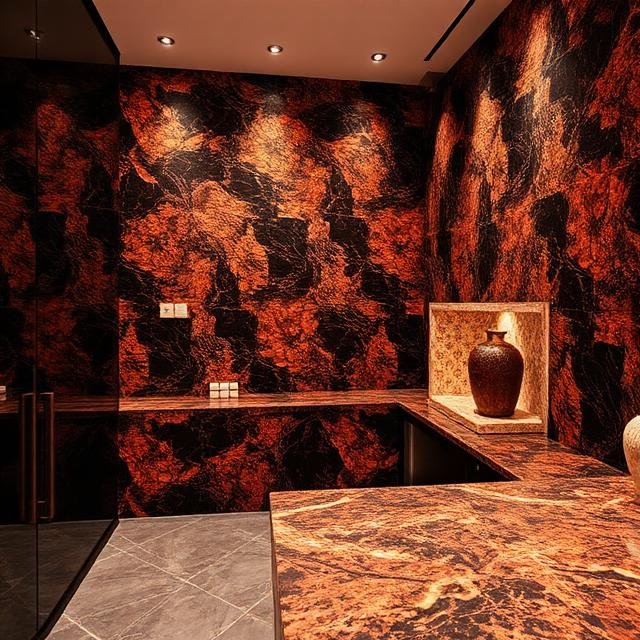
Flaming process is processed under extreme thermodynamic shock. The slab is exposed with high-temperature oxyacetylene. The intense heat causes the quartz and feldspar crystals embedded in the granite to expand, burst, and shear off the top layer. This results in deep, cratered, natural texture on the surface; it looks like weathered and rustic texture.
4. Comparative Analysis Matrix
| Feature / Metric | Polished Granite Finish | Flamed (Thermal) Granite Finish |
| Surface Texture | Ultra-smooth, glossy, mirror-like reflectivity. | Rough, textured, deeply cratered, non-reflective. |
| Color Intensity | Vibrant, rich, highly saturated colors and prominent veining. | Muted, natural tones; veining is softened and less distinct. |
| Slip Resistance | Low slip resistance; highly slippery when wet. | Exceptional slip resistance (high coefficient of friction). |
| Primary Locations | Indoor kitchens, bathrooms, wall cladding, entryways. | Outdoor patios, walkways, pool decks, steps, driveways. |
| Maintenance Profile | Requires frequent wiping to prevent fingerprints and water spots. | Requires regular deep sealing to prevent dirt trapping in pores. |
| Scratch & Wear | Micro-scratches are visible under direct lighting. | Highly forgiving; scratches and abrasions blend into texture. |
5. Situational Engineering: Choosing by Application
Where to Specify Polished Granite
- Kitchen Countertops: The polished surface is nonporous, and it is exceptionally easy to clean and resistant to stains if it is sealed regularly.
- Feature Walls & Fireplace Surrounds: The reflective surface catches the ambient interior lighting and creates a premium luxury aesthetic and bounces light to the dark area.
- Low-Traffic Indoor Flooring: Adds dramatic visual effect to formal entryways, though rugs are recommended near exterior doors to capture moisture.
Where to Specify Flamed Granite
- Outdoor Patios and Decks: Endures extreme-level freeze-thaw cycles and direct UV exposure without degrading into a slip hazard.
- Pool Overcoping and Steps: The high tactile grip ensures safety underfoot for bare, wet feet, minimizing accidental falls.
- Commercial Pedestrian Plazas: Easily withstands heavy foot traffic while masking scratches, scuffs, and organic debris like leaves or mud.
6. Maintenance and Longevity Protocols
Both finishes offer the structural durability of natural granite, but their maintenance regimes differ significantly.
Polished granite requires a pH-neutral cleaner to prevent dullness of the polished marble. While it resists liquid penetration. It shows oil-based smudges and dust easily, and it requires daily wiping to maintain its crystal-clear shine.
Flamed granite has an open crystal surface structure and is more porous than its polished counterpart. It must be treated with a high-quality penetrating sealer upon installation and re-sealant every 1-2 years. Power washing is occasionally required to remove the dirt deep within the rough surface.

