
For centuries marble has been renowned for its luxury, sophistication, appeal, and durability. Beyond the classic whites and greys lies the world of exotic marble; it is rare, vibrant, and uniquely patterned stone that transforms ordinary spaces into masterpieces of art.
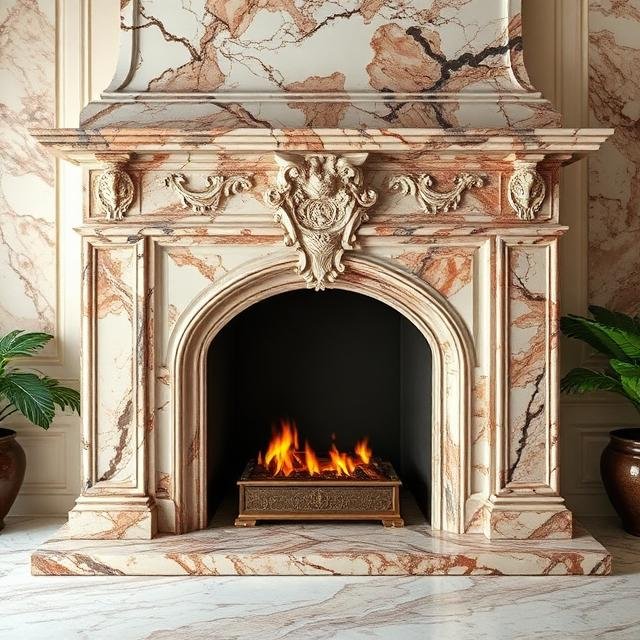
The exotic marble sourced across the globe, which boasts a kaleidoscope of colors, intricate veins, and remarkable geological features, makes each slab a one-of-a-kind masterpiece.
What Makes Marble “Exotic”?
The term “exotic marble” refers to its rarity, unique aesthetic characteristics, and often the origin from less common or remote quarries. Widely available marbles and exotic varieties are distinguished by:
- Unusual Color Palettes: From deep emerald green and sapphire blues to fiery reds, vibrant purples, and striking blacks with metallic shades, exotic marbles defy conventional marble aesthetics.
- Dramatic Veining and Patterns: The classic marble has elegant veins; exotic marbles often feature bold, painterly patterns, crystalline structures, and fossilized inclusions that speak of a story millions of years in the making.
- Limited Availability: It has unique geological conditions that create stunning patterns that are not common, leading to lower extraction rates and higher demand that contributes to their exclusivity.
- Geographic Origin: It is quarried in specific regions known for their distinct geological formations, such as the ancient mountains of Patagonia and the sun-drenched landscapes of Italy and Greece; these marbles carry a sense of their origin.
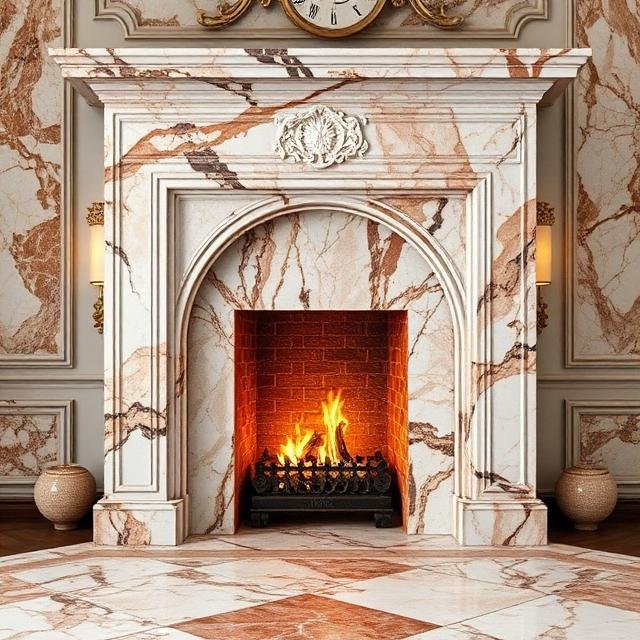
Popular Types of Exotic Marble
The world of exotic marble is vast and ever-expanding, but varieties have captured the imagination of homeowners and designers.
- Calacatta Viola: A true showstopper is Italian marble that has a creamy white background dramatically interrupted by rich, burgundy veins and deep purple that often appears in flowing patches.
- Verde Alpi: Hailing from the Italian Alps, the marble showcases a range of deep greens from dark forest to vibrant jade, laced with lighter green and white veins evoking the appeal of nature.
- Patagonia: Patagonia marble is an incredible fusion of quartzite featuring large crystalline structures in shades of black, brown, white, and gold, creating a truly spectacular, almost gem-like appearance.
- Black Portoro: An Italian classic, it has an intense black background punctuated by striking golden and white veins exuding unparalleled luxury and drama.
- Onyx Marble: It is technically a calcitic stone. Onyx is often grouped with exotic marble due to its translucent quality and vibrant colors. It is available in green, white, and multicolored bands. White offers a luminous effect when backlit.
- Fantasy Brown: Marble, quartzite, or granite, the brown is loved for its swirling patterns of brown, grey, and white and sometimes hints of green, offering a dynamic and sophisticated look.
Designing with Exotic Marble
Exotic marble can be easily incorporated into any design project that makes a statement piece. The dramatic beauty of marble often becomes a focal point of an area.
- Kitchen Countertops and Islands: An exotic marble can transform the kitchen countertops into a gourmet sanctuary. Imagine the swirls of Patagonia as the centerpiece of your culinary space.
- Bathroom Vanities and Walls: It creates a spa-like retreat with dark emerald greens of Verde Alpi or purple hues of Calacatta Viola on vanity tops, and shower walls create a featured wall behind the tub.
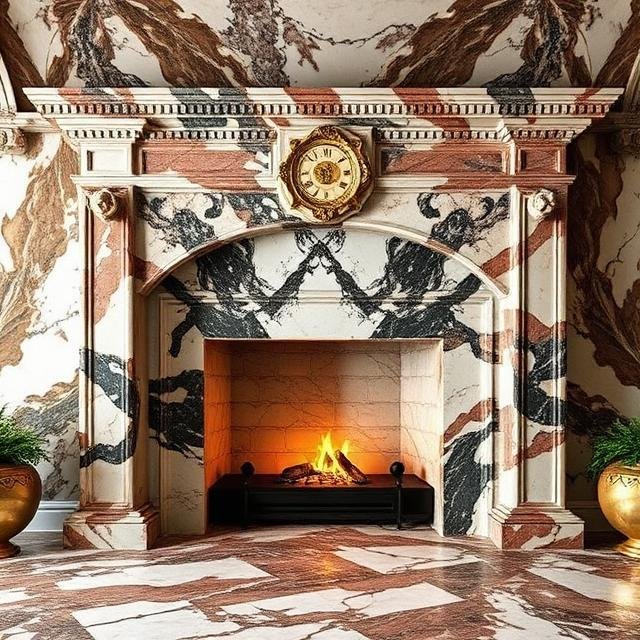
- Fireplace Surrounds: It elevates the living room with a stunning exotic marble fireplace that turns into a functional element with a masterpiece of art.
- Feature Walls and Backsplashes: A single slab of exotic marble used for a featured wall or kitchen countertop can infuse a space with unparalleled character and luxury. The intricate designs truly shine when they are allowed to dominate the surface.
- Flooring: It is less common due to cost and maintenance; an exotic marble floor in an entryway or a formal dining room creates an unforgettable impression.
Maintenance and Care
Like all natural stone, exotic marble requires proper care to maintain its beauty.
- Sealing: Marble is porous, so regular sealing is crucial to protect it from stains.
- Cleaning: Use pH-neutral cleaners specifically designed for natural stone. Avoid abrasive cleaners, acids (like vinegar or lemon juice), and harsh chemicals, which can etch the surface.
- Spills: Wipe up spills immediately, especially acidic liquids like wine, coffee, or fruit juices.
- Protection: Use coasters under glasses and trivets under hot pans to prevent damage.
Conclusion
Exotic marble is more than just a building material; it’s a testament to the earth’s artistic prowess, a geological masterpiece millions of years in the making. By choosing an exotic marble, you’re not just selecting a surface; you’re investing in a unique piece of natural art that will infuse your space with unparalleled luxury, personality, and a story all its own. Its dramatic colors and patterns ensure that every installation is truly one-of-a-kind, promising to be a cherished focal point for generations.

