
In the natural stone market, Indian marble has evolved from a regional staple to worldwide usage. While the Italian marbles are often known for their status. Indian marble is increasingly the choice for B2B procurement and premium residential projects due to its climatic resilience, cost-effectiveness, and durability.
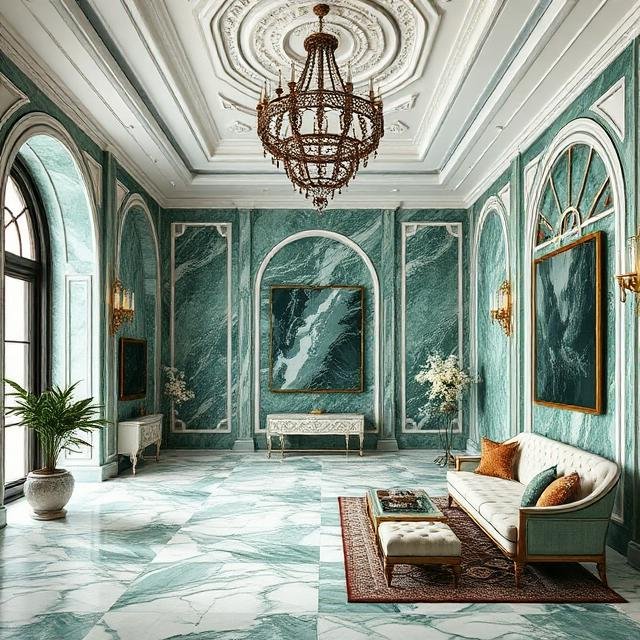
As we are in 2026, the demand for indigenous natural stone like Makrana marble and Rajasthan Green marble has been driven by the global shift towards sustainable and locally sourced material that never compromises on luxury.
The Durability Edge: Why Indian Marble Outperforms
The primary reason Indian marble is suitable for high-traffic areas like commercial zones is its mineral density. Unlike some softer imported stone. Indian marble is considered a premium stone, a metamorphic rock with a tighter crystalline structure.
- Low Porosity: Indian marble like Makrana marble has exceptionally low water absorption and makes them water resistant to deep stains.
- Heat Resistance: Naturally adapted to the intense heat of the Indian subcontinent, these stones do not expand or crack. Makes them ideal for outdoor cladding.
- Hardness: Indian marble typically ranks higher than the European counterparts. It can withstand the mechanical wear of heavy footing without causing any cracks and stains.
Regional Sourcing: The Geography of Excellence
Indian marbles are in demand in specific geological belts. Each piece of marble offers unique aesthetics and physical natures.
1. Rajasthan: The Global Marble Hub
Rajasthan covers almost 90% of Indian marble production.
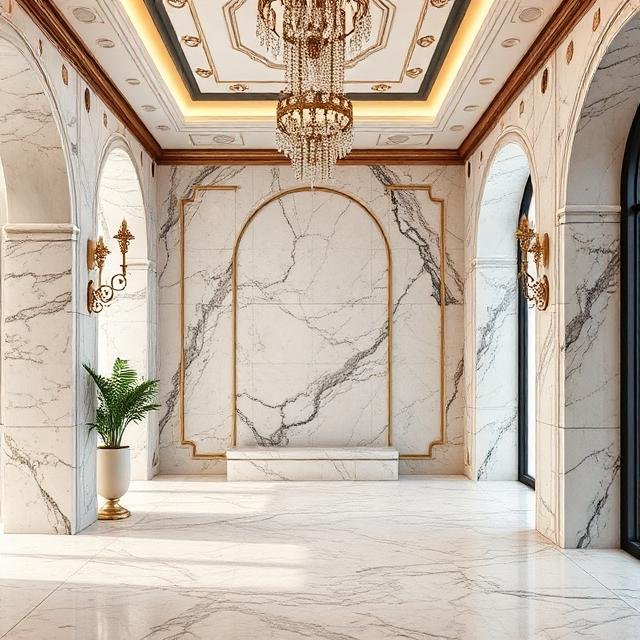
- Makrana: The “Taj Mahal Stone” is the only marble in the world that possesses 98% calcium carbonate, and it stays pure white in shade for centuries without getting yellowish.
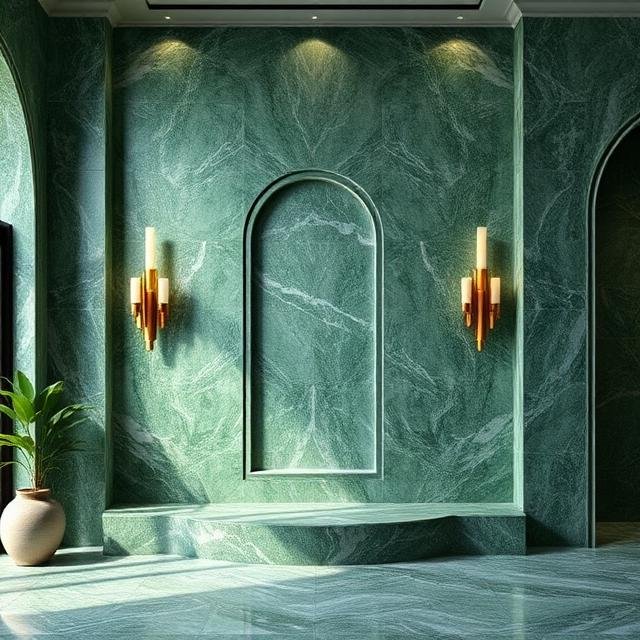
- Udaipur & Dungarpur: The primary source of Green Indian marble (Verde Guatemala). These stones are in high demand in the European and Middle Eastern markets for their deep forest hues, and they possess incredible strength.
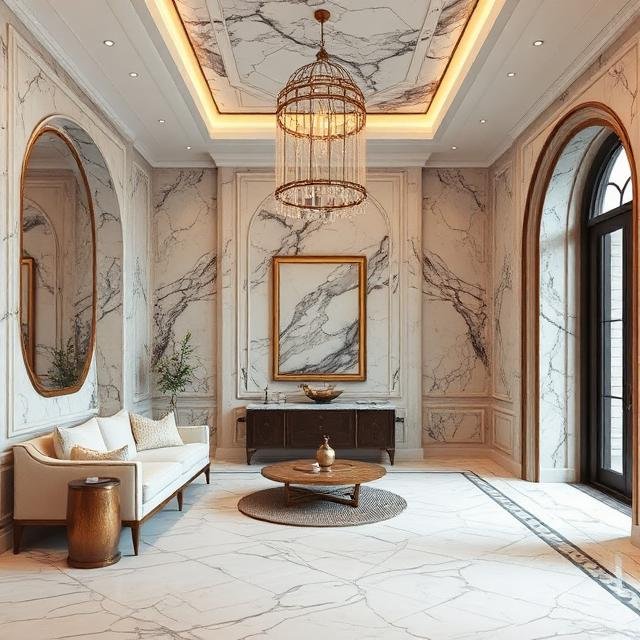
- Banswara & Kishangarh: It is renowned for its Italian look with white background and purple-veined marble that offer luxury aesthetics at a fraction of the import cost.
2. Gujarat & Madhya Pradesh: The Emerging Belts
- Ambaji (Gujarat): Renowned for its fine white granite background with a smooth finish.
- Katni (Madhya Pradesh): It is famous for its flowery pattern and beige shade. It has massive usage for commercial projects due to its color consistency.
The Value Proposition: ROI for B2B Stakeholders
For facility managers and real estate developers, Indian marble represents a low-risk, high-reward investment.
| Feature | Indian Marble | Imported (Italian) Marble |
| Price Point | ₹50 – ₹800 per sq. ft. | ₹350 – ₹5,000+ per sq. ft. |
| Maintenance | Low (High acid resistance) | High (Prone to etching) |
| Durability | High (Denser structure) | Moderate (Softer, more delicate) |
| Replacement | Easy (Locally available) | Difficult (Batch matching issues) |
Conclusion
Indian marble is not just a budget-friendly product. It is a strategic asset. It has unmatched durability with diverse regional varieties and the ability to withstand the rigors of usage in a commercial area. It gives a timeless aesthetic that matures with the building; whether it is the pristine white background of Makrana or the deep shade of Rajasthan green Indian marble, it remains the gold standard for luxury.
FAQs
Which Indian marble is most durable for flooring?
Makrana white and Dungri marble are considered the most durable due to their high density and low porosity. This marble is best suited for high-traffic areas such as corridors, living rooms, and lobbies.
Why is Indian green marble popular in international markets?
Indian green marble (specifically from Udaipur) is highly prized because of its unique deep green color and also its hard structure. It is highly resistant to extreme weathering changes and makes it suitable for both exterior and interior designs.
Does Indian marble yellow over time?
Premium quality varieties of marble, like Makrana, do not get yellowish with time. Most of the Indian marble is also more resistant to yellowing than imported marble due to its stable chemical composition.

