
Italy is known for its culture, heritage, and breathtaking landscapes and holds a distinguished position in the world of natural stone.
For centuries, Italian granite and marble have been known for their luxury, durability, and elegance. The sculptures, monuments to the sleek countertops of modern kitchens, have left an incredible mark on architecture and design worldwide.
A Legacy Carved in Stone
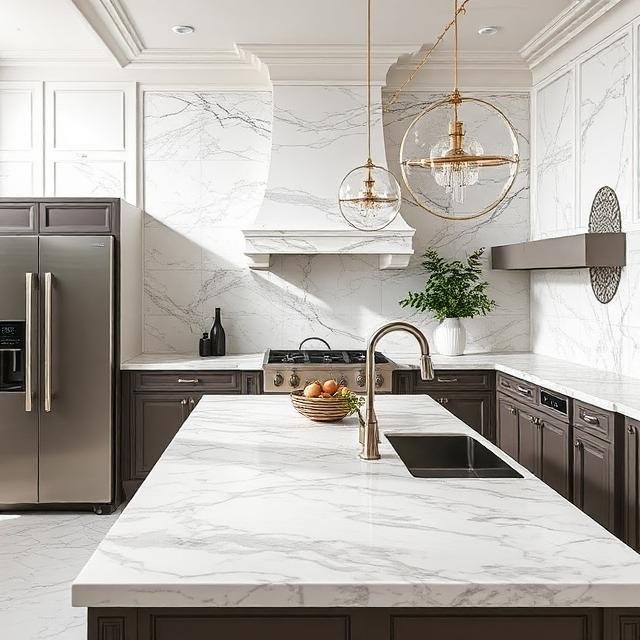
The story of Italian marble begins deep in the Apuan Alps, where vast quarries have yielded exquisite marble for millennia. Carrara marble is famous from Roman times; its luminous white background with delicate grey veins has inspired countless artists and designers. Carrara marble has a unique vein pattern and the dramatic pattern.
Marble has classic beauty; Italian granite offers a different kind of allure. Granite is an igneous rock known for its hardness and resistance to wear and tear. Italian granites found in regions like Lombardy and Sardinia come in a vibrant spectrum of colors from deep black to blue and green granite. It can be used for any modern and classic designs.
Characteristics and Applications
Both Italian granite and marble possess distinct characteristics that make them highly sought-after:
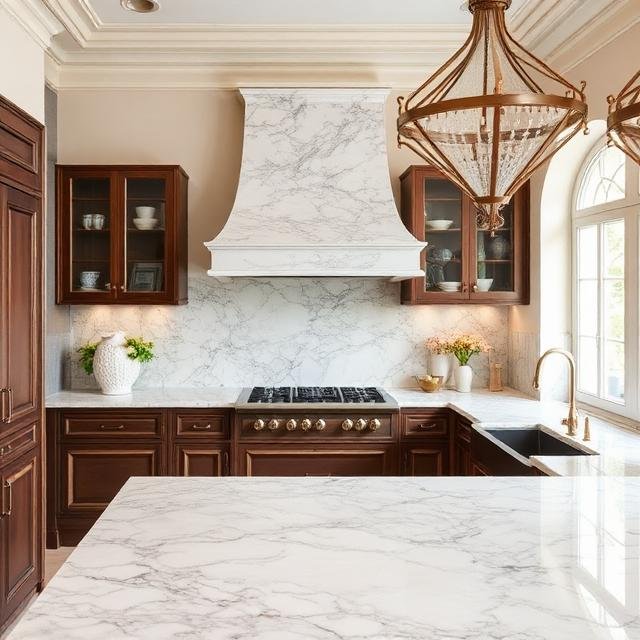
- Marble: It is renowned for its veins and luxurious appeal. Marble is a metamorphic rock composed of calcite. It is relatively softer than granite. It makes it ideal for interior applications such as flooring, vanity tops, decorative objects, and wall cladding. Regular sealing and maintenance are required that can preserve its pristine beauty for generations.
- Granite: A highly durable and dense igneous rock, granite is composed of feldspar and mica. The exceptional hardness and resistance to stains, scratches, and heat. It is suitable for high-traffic areas. It can be applied for kitchen countertops, flooring, building facades, and outdoor paving and is commonly used.
The Craftsmanship of Italian Stone
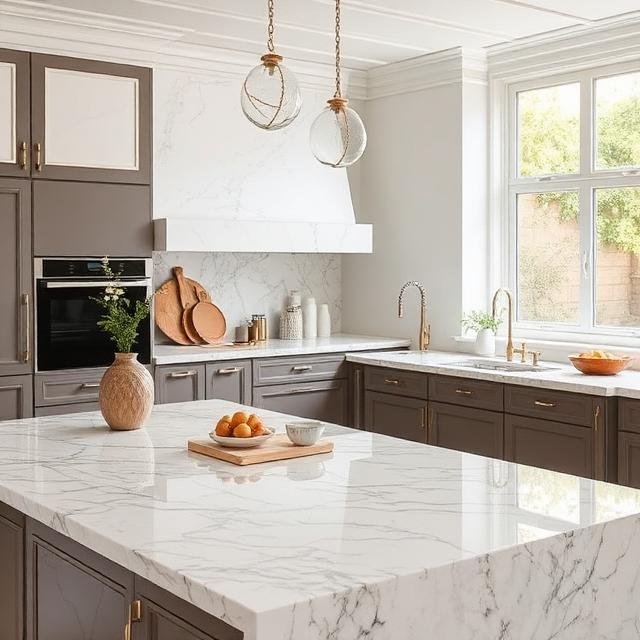
Beyond the inherent beauty of stone, it is the unparalleled craftsmanship of Italian artisans that truly elevates materials. Each marble slab is meticulously quarried, polished, and finished to perfection. The quality of marble is evident from monumental structures to intricate custom designs.
Conclusion
Italian granite and marble are more than just building materials; they are a testament to nature’s artistry and human ingenuity. Their enduring beauty, coupled with their exceptional durability and the skilled hands of Italian craftsmen, ensures their continued prominence in the world of design and architecture. Investing in Italian stone is not just a choice for today; it is an investment in timeless elegance that will be admired for centuries to come.

FAQs about Italian Granite and Marble
Q1: What is the main difference between Italian granite and marble?
A1: The primary difference lies in their composition and properties. Marble is a metamorphic rock, softer and more porous, known for its elegant veining. Granite is an igneous rock, much harder and more durable, making it highly resistant to scratches, heat, and stains.
Q2: Is Italian marble suitable for kitchen countertops?
A2: While beautiful, Italian marble requires more maintenance for kitchen countertops due to its porosity and susceptibility to etching from acids. If chosen, it should be regularly sealed, and spills should be wiped immediately. Granite or quartzite are generally more practical choices for busy kitchens.
Q3: How do I clean and maintain Italian stone?
A3: For both granite and marble, use a pH-neutral cleaner specifically designed for natural stone. Avoid abrasive cleaners, harsh chemicals, and acidic substances (like vinegar or lemon juice). Regular sealing is crucial, especially for marble, to protect against stains.
Q4: Is Italian granite more expensive than other granites?
A4: The price of Italian granite can vary greatly depending on the specific type, rarity, and complexity of the finish. While some Italian granites can be premium, their cost often reflects their exceptional quality, unique aesthetics, and the craftsmanship involved.
Q5: Where can Italian granite and marble be used?
A5: Marble: Interior flooring, wall cladding, bathroom vanities, fireplace surrounds, decorative accents, sculptures.
Granite: Kitchen countertops, outdoor paving, high-traffic flooring, building facades, monument construction, pool surrounds.

