
Despite the rise of engineered surfaces like quartz, porcelain, and solid-surface composites, granite continues to dominate residential and commercial kitchens.
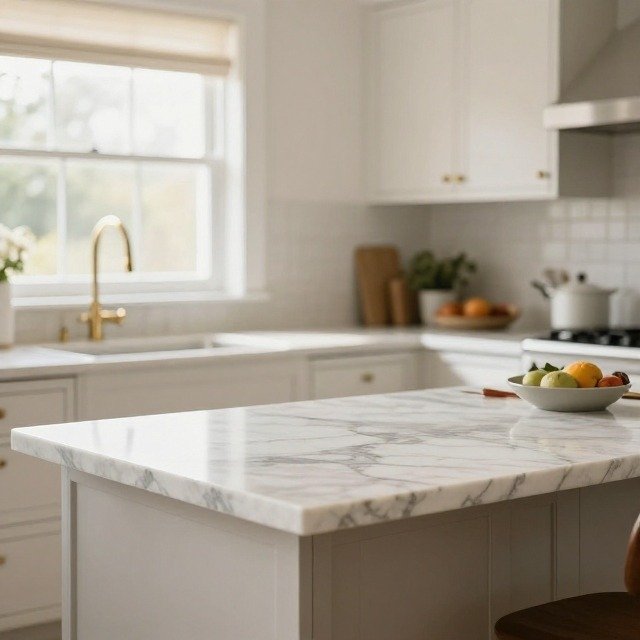
Formed deep within the earth under extreme heat and pressure, this natural igneous rock brings an unmatched combination of geological strength, raw beauty, and long-term property value that synthetic alternatives struggle to replicate.
1. Unrivaled Heat and Scratch Resistance
A working kitchen is tough on surfaces, particularly when dealing with heavy cookware, high-flame cooking, and constant prep work.
- Superior Heat Tolerance: Because granite is born in extreme heat, it does not scorch, melt, or discolour when exposed to hot pots and pans, unlike engineered quartz, whose polymer resins can burn or yellow upon contact with high temperatures.
- Hardness on the Mohs Scale: Composed largely of quartz and feldspar, granite ranks near the top of the mineral hardness scale. Everyday kitchen utensils, sliding cast-iron skillets, and accidental knife slips rarely leave a mark on its polished or leathered finish.
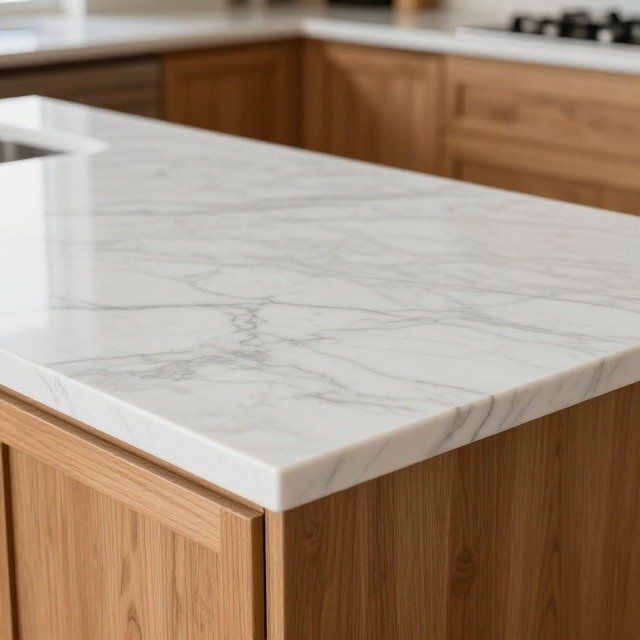
2. One-of-a-Kind Natural Aesthetics
Engineered countertops rely on printed patterns or uniform pigment distributions, meaning thousands of homes share the exact same slab design. Every granite slab, by contrast, is a unique geological fingerprint. From deep, dramatic blacks like Absolute Black and Black Galaxy to intricate, swirling veins in Kashmir White or Viscount White, granite offers organic depth, mineral flecks, and natural movement that cannot be manufactured in a factory.
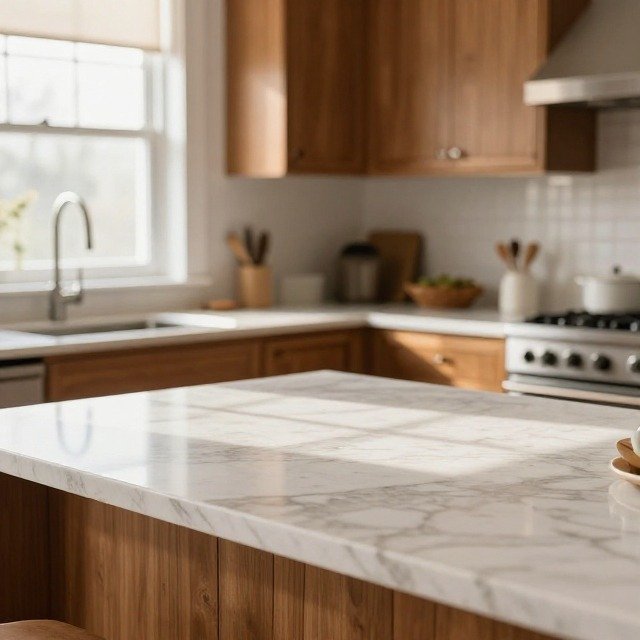
3. Effortless Hygiene and Simple Maintenance
While granite is a natural stone and requires periodic sealing to block its microscopic pores, modern penetrating sealers make upkeep straightforward. Once properly sealed, granite resists oil, turmeric, coffee, and acidic spills without etching—a major advantage over marble. Daily cleaning requires nothing more than warm water, a drop of mild dish soap, and a soft cloth.
4. Longevity and Proven Resale Value
Homeowners and real estate buyers consistently view granite as a benchmark of quality. Unlike trendy laminates or acrylic surfaces that peel, fade, or look dated within a decade, a granite countertop lasts for generations. Installing granite delivers a strong return on investment by elevating the perceived luxury and structural permanence of the entire home.
Conclusion
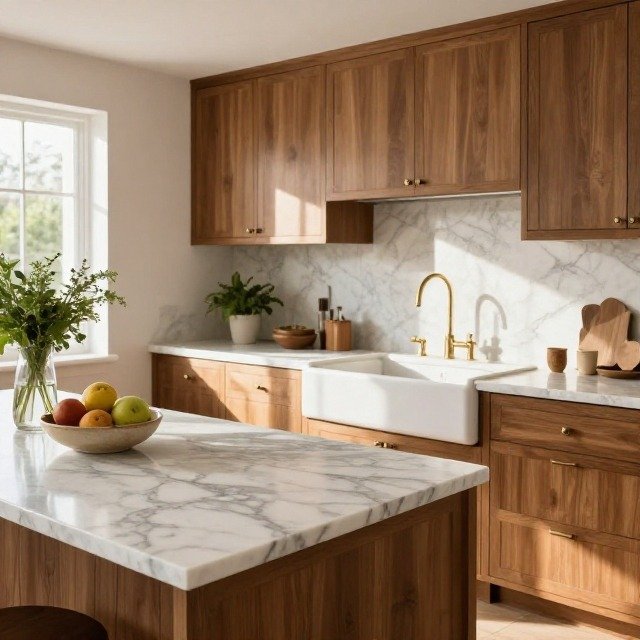
Trends in kitchen interior design come and go, yet granite remains the gold standard because it balances rugged functionality with timeless elegance. For cooks who want a surface that handles intense heat, resists daily wear, and brings genuine natural artistry into the heart of the home, granite continues to earn its crown as the undisputed king of kitchen countertops.
Frequently Asked Questions (FAQs)
1. Is granite better than quartz for heavy cooking?Yes, particularly if you cook frequently with high heat. Granite handles hot cookware far better than engineered quartz, which contains synthetic resins that can scorch or crack under sudden thermal shock.
2. How often do granite countertops need to be sealed?Most granite countertops need sealing once every 1 to 2 years, though dense varieties treated with modern impregnating sealers can go 5 years or more. You can test yours by sprinkling a few drops of water on the surface—if the water beads up, the seal is still intact; if it darkens the stone, it is time to reseal.
3. Does granite chip or crack easily?Granite is extraordinarily hard and resistant to everyday impacts. However, dropping a heavy cast-iron pot directly onto an unprotected, sharp corner or sink edge can cause a chip, which a stone specialist can usually repair with colour-matched epoxy.
4. Which finish is best for kitchen granite: polished, honed, or leathered?
- Polished offers a glossy, mirror-like shine that highlights mineral colours and repels stains most effectively.
- Honed provides a smooth, matte finish with a contemporary, understated look.
- Leathered features a subtle, textured feel that hides fingerprints, water spots, and smudges effortlessly.

