
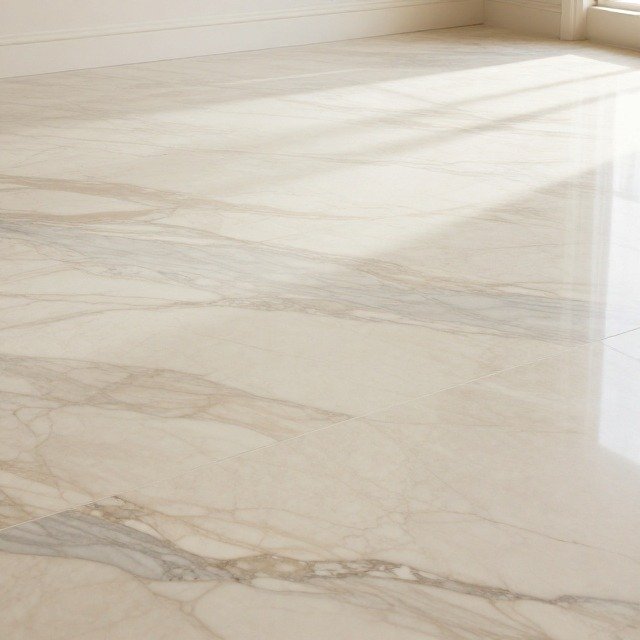
Natural white marble is the hallmark of luxury, bringing luminosity, grandeur, and an organic sense of calm to modern residential and commercial areas. The imported Italian marble, like Carrara and Statuario, commands a price and requires maintenance. India’s domestic quarries offer natural resilience and are the alternative at a fraction of the cost.
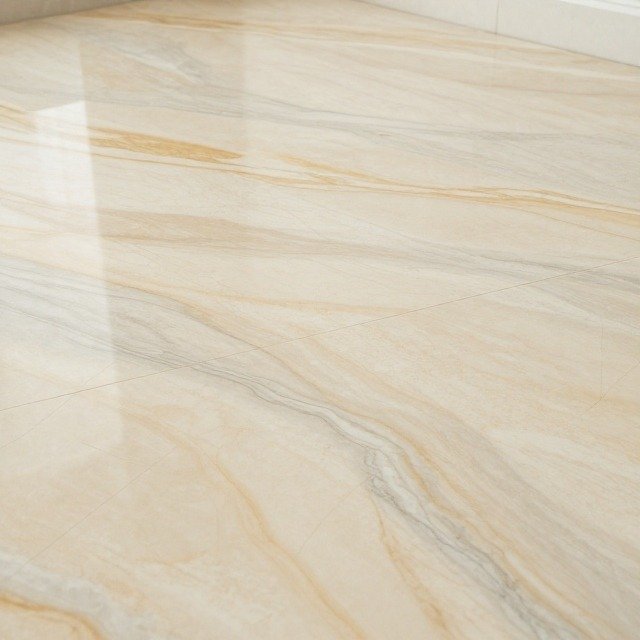
Indian white marble is globally renowned for its high calcium density, lower porosity, and exceptional resistance to heavy foot traffic. If you want to achieve an opulent, palatial interior without stretching your renovation budget, here are the top five budget-friendly white Indian marbles for luxury flooring.
1. Morwad White Marble (The Everyday Luxury Alternative)
- Origin: Kishangarh / Rajsamand, Rajasthan
The Infinity Marble - Appearance: Milky white base with subtle grey, smoky, and greenish-black vein patterns.
- Estimated Price Range: ₹40 – ₹90 per sq. ft.
Morwad White Marble is widely known by architects and interior designers as India’s finest domestic answer to Italian Carrara marble. Sourced predominantly from the Rajsamand belt, Morwad features a luminous white backdrop marked by soft, swirling veining.
- Why it’s a smart choice: It takes a mirror polish effortlessly, reflecting natural light across open floor plans to make living rooms and corridors feel instantly larger.
- Best suited for: Living rooms, spacious dining halls, and multi-tier apartment foyers.
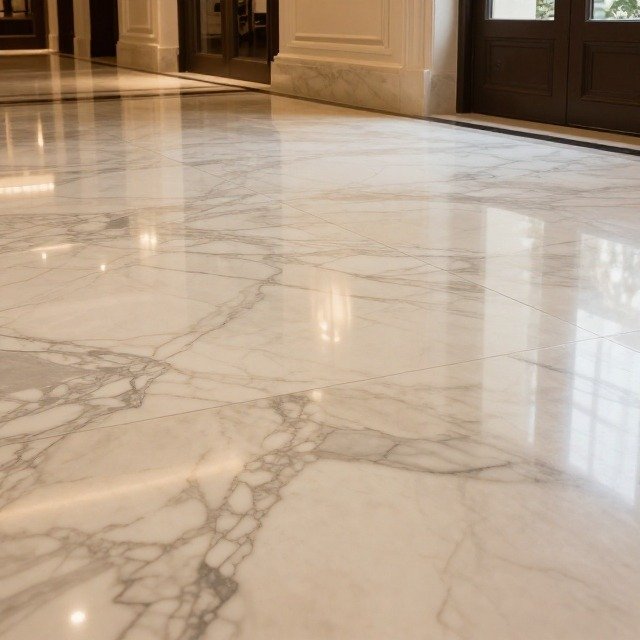
2. Makrana Dungri Marble (The Heritage Classic)
- Origin: Makrana, Nagaur District, Rajasthan
- Appearance: Soft white base with flowing grey and charcoal pencil veins.
- Estimated Price Range: ₹80 – ₹180 per sq. ft.
Hailing from the historic quarries that provided stone for iconic monuments like the Taj Mahal, Makrana marble needs no introduction. While pure Makrana White sits at the ultra-luxury tier, Makrana Dungri delivers the same legendary crystalline mineral structure at an accessible price.
- Why it’s a smart choice: Makrana marble contains upwards of 95–98% calcium carbonate, meaning it does not absorb water easily and does not turn yellow over decades. Its finish only grows glossier with regular wear and polishing.
- Best suited for: High-traffic family lounges, puja rooms, and grand entryways.
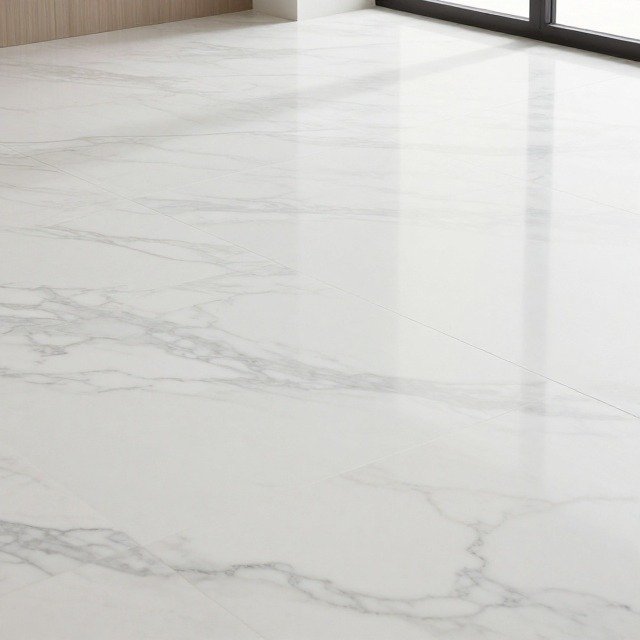
3. Ambaji White Marble (The Pearlescent Wonder)
- Origin: Ambaji, Banaskantha District, Gujarat
- Appearance: Pure off-white to milky base with muted, cloud-like grey veins and crystalline sparkle.
- Estimated Price Range: ₹60 – ₹120 per sq. ft.
Ambaji White Marble is known for its fine-grained texture and seamless consistency. Unlike varieties with dramatic, aggressive fissures, Ambaji’s subtle patterning creates an understated, serene ambiance reminiscent of minimalist European interiors.
- Why it’s a smart choice: Its uniform grain provides higher tensile strength, making it less prone to hairline fractures during cutting and dry laying.
- Best suited for: Minimalist modern apartments, master bedrooms, and serene reading spaces.
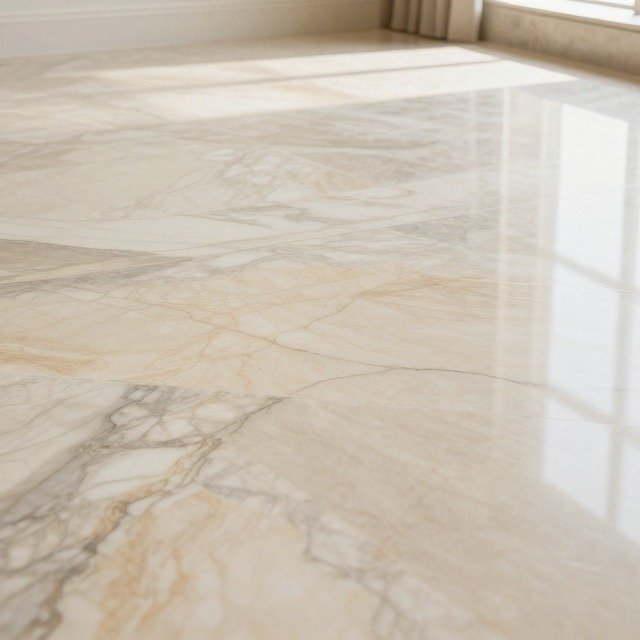
4. Rajnagar White Marble (The Clean & Economical Contender)
- Origin: Rajsamand District, Rajasthan
- Appearance: Crisp white background punctuated by fine grey and dark quartz lines.
- Estimated Price Range: ₹35 – ₹70 per sq. ft.
Rajnagar White is one of the most cost-effective white stones quarried in India. Despite its approachable price point, it provides clean, classic aesthetics that emulate high-end vitrified tiles while offering the cooling touch and permanence of genuine natural rock.
- Why it’s a smart choice: It is exceptionally dense, highly resistant to surface wear, and available in large slab batches, ensuring consistent lot-to-lot shading across sprawling square footages.
- Best suited for: Large-scale residential developments, corridors, covered patios, and budget-conscious villas.
5. Agaria White Marble (The Bold Bookmatch Statement)
- Origin: Agaria, Rajsamand District, Rajasthan
- Appearance: Brilliant white background accented by linear grey and black flowing veins.
- Estimated Price Range: ₹50 – ₹110 per sq. ft.
If you appreciate the dramatic geometric drama of bookmatched floor designs (where veining patterns are laid out to mirror each other in diamond or river formations), Agaria White is a premier choice.
- Why it’s a smart choice: Because of its linear, high-contrast mineral ribbons, skilled masons can arrange Agaria slabs to form striking focal motifs in central seating areas.
- Best suited for: Formal drawing rooms, central hallways, and feature borders.
Comparative Overview
| Marble Variety | Tone & Texture | Key Strength | Typical Cost (INR/sq. ft.) |
| Morwad White | Milky white, soft swirling veins | Carrara-like aesthetic, brilliant polish | ₹40 – ₹90 |
| Makrana Dungri | Off-white, grey pencil striations | Zero pinholes, virtually zero porosity | ₹80 – ₹180 |
| Ambaji White | Pure pearlescent white, fine grain | Crack-resistant, soft muted elegance | ₹60 – ₹120 |
| Rajnagar White | Bright white, subtle grey lines | Budget king for large floor areas | ₹35 – ₹70 |
| Agaria White | High-contrast linear black/grey veins | Ideal for bookmatched diamond layouts | ₹50 – ₹110 |
Conclusion
Elevating your home’s flooring with marble does not require an exorbitant imported stone budget. Native Indian white marbles provide an unbeatable intersection of crystalline density, enduring polish, and timeless refinement. Whether you lean toward the understated serenity of Ambaji, the dramatic bookmatched symmetry of Agaria, or the historical pedigree of Makrana Dungri, selecting the right Indian marble allows you to achieve architectural splendor that gracefully endures for generations.
Frequently Asked Questions (FAQs)
1. Is Indian white marble better than imported Italian marble for flooring?
For practical, everyday residential use in tropical climates, Indian white marble is structurally superior. It is significantly harder and less porous than soft Italian stones (like Carrara or Botticino), making it more resistant to scratches, moisture stains, and heavy daily wear.
2. Does Indian white marble turn yellow over time?
True high-grade Indian marbles—especially calcitic varieties from Makrana and Ambaji—do not contain significant iron deposits and naturally resist yellowing. Discoloration typically occurs only when low-quality iron-rich stones are installed using unwashed sand, improper curing, or harsh acidic cleaning agents.
3. What is the average installation and polishing cost for Indian marble?
Beyond the stone slab price, expect installation, leveling, cutting, and epoxy filling to range between ₹35 and ₹50 per sq. ft., with diamond/silicate polishing adding approximately ₹25 to ₹45 per sq. ft.
4. How should I clean and maintain white marble floors?
Avoid acidic substances, vinegar, citrus solutions, or harsh floor detergents, as they will etch natural calcium carbonate. Use a pH-neutral stone cleaner, damp microfiber mops, and apply a penetrating sealer once every 3–5 years to preserve surface shine and stain resistance.

