
Renowned Italian marble such as Botticino, Carrara, and Calcutta Statuario brings an unmatched sense of luxury to any space; however, the natural elegance also has high porosity and high sensitivity to acidic solutions. As it is composed of calcium carbonate, it can easily react to any acidic liquids, abrasive particles, and harsh chemicals.
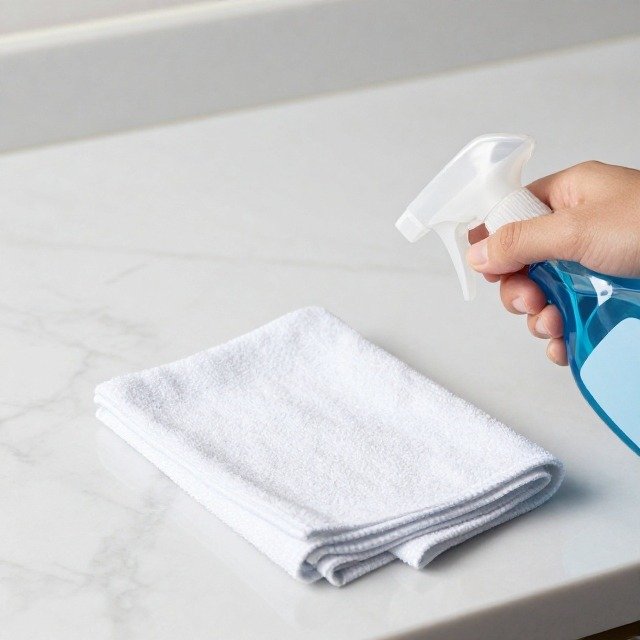
In order to maintain the mirror-like polish, a gentle cleaning routine is needed, and here is the comprehensive guide to the essential dos and don’ts for daily Italian marble maintenance.
The Essential Dos
- Do dry-mop daily with a clean microfiber pad: Fine grit and sand particles tracked in from outside act like sandpaper under high foot traffic. Sweeping with a soft microfiber and dust mopping must be done once or twice a day removes micro-abrasives before they scratch the sealant of the marble surface.
- Do use pH-neutral stone cleaners: When damp cleaning, always rely exclusively on pH-7 neutral cleaners formulated specifically for natural stone, or use plain warm, RO water.
- Do wipe up spills immediately: Because Italian marble is porous in nature, the liquids can easily penetrate quickly. Therefore, blot liquids immediately using a paper towel or soft cloth and never rub the stain into unsealed pores.
- Do use the two-bucket method when mopping: Use one bucket for the diluted pH-neutral cleaning solution and a separate bucket of clean water to rinse the mop. This prevents dirty water from being spread across the stone.
- Do place heavy-duty doormats at entry points: Position high-traction, non-rubber-backed mats at all exterior entryways to capture dirt, moisture, and small pebbles before shoes hit the marble.
- Do apply felt pads to all furniture legs: Heavy dining chairs, coffee tables, and sofa legs should always have thick felt gliders attached to prevent gouging during movement.
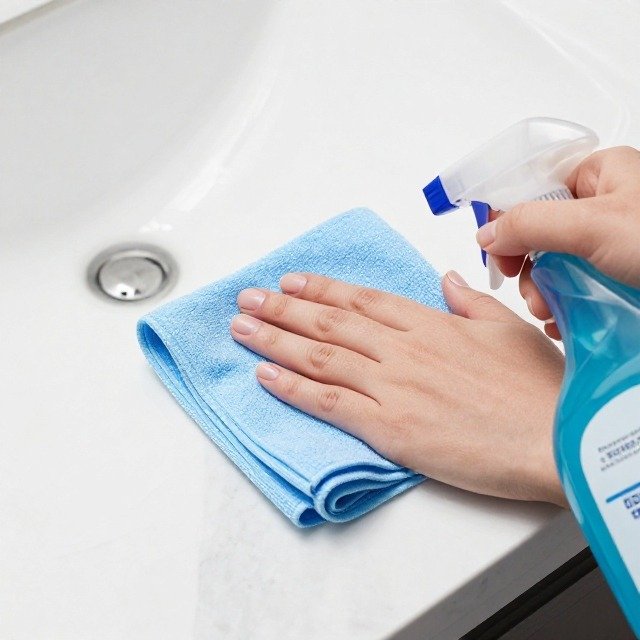
The Critical Don’ts
- Don’t use acidic or citrus-based cleaners: Never use vinegar, lemon juice, lime scale removers, or tomato-based solutions. Acid reacts chemically with calcium carbonate instantly, causing dull spots known as “etch marks” that cannot simply be wiped away.
- Don’t use standard household bathroom or floor cleaners: Common household disinfectants containing bleach, ammonia, or hydrochloric acid break down the protective sealant layer and dull the stone’s natural sheen.
- Don’t scrub with abrasive pads or wire brushes: Avoid scotch-brite pads, rough scrubbers, or hard-bristled brooms. They cause fine micro-scratches that trap grime over time.
- Don’t leave excess water to air-dry: Hard water leaves mineral rings, and standing water can penetrate micro-fissures, causing yellowing, subsurface or moisture traps. Always run a dry microfiber flat mop over the floor after damp cleaning.
- Don’t drag heavy luggage or metal items across the floor: Always lift furniture, metal dustbins, or hard suitcases. Wheel casters with hard plastic or metal edges will leave permanent track marks.
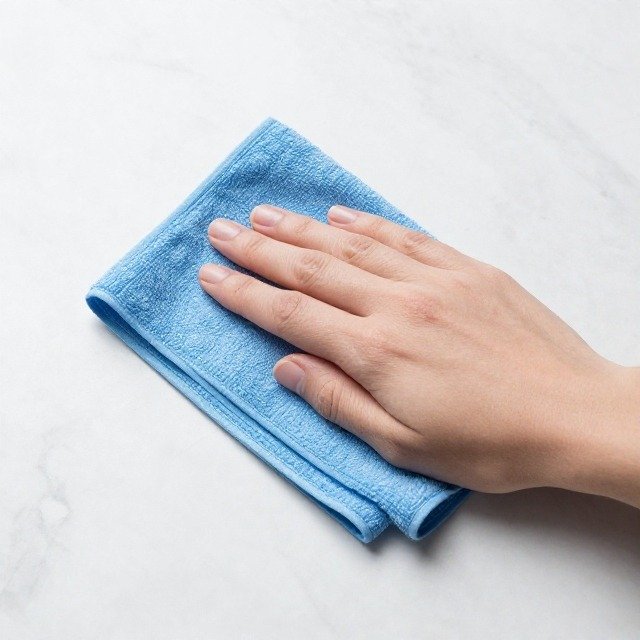
Recommended Daily Cleaning Workflow
1. Dry dusting: Clear loose grit before introducing any moisture.
Use a clean, dry microfiber dust mop in smooth, continuous overlapping strokes across the floor. Lift the mop at the edge to collect loose debris into a dustpan.
2. Prepare the cleaning. Solution: Always verify the cleaner is strictly pH-neutral.
Mix 1 to 2 cups of a pH-neutral natural stone cleaner into a bucket of lukewarm water. Fill a second bucket with clean water for rinsing.
3. Damp mop using the two-bucket method:
Submerge a flat microfiber mop into the solution, wring it out until damp (not soaking wet), and mop a small section. Rinse the mop in the clean water bucket and wring again before returning to the cleaning solution.
4. Dry buff immediately: Crucial for preventing hard-water spots and streaks.
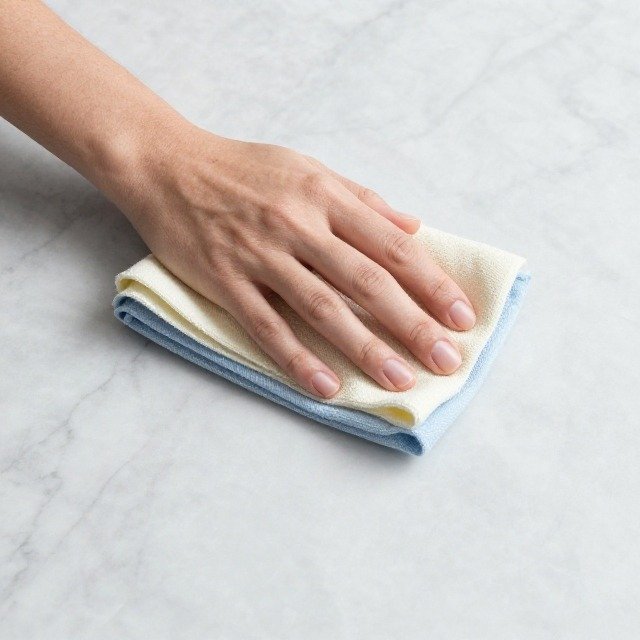
Follow behind with a fresh, dry microfiber cloth or dry flat mop to absorb lingering moisture and bring out the natural sheen.
Italian marble requires care rather than heavy labor. By swapping out harsh household acids and abrasive cleaners for gentle pH-neutral formulas and clean microfiber tools, you protect the sealant, eliminate the risk of chemical etching, and keep the floor’s natural luster intact for decades.
Frequently Asked Questions
Can I clean Italian marble floors with Colin or general glass cleaners?
No. Most multi-surface glass and surface cleaners contain isopropyl alcohol, ammonia, or mild acids designed to cut grease on glass, which can corrode marble sealants and cause premature dulling.
What should I do if lemon juice or vinegar spills on Italian marble?
Blot the spill immediately with a paper towel. Rinse the spot with clean water mixed with a small amount of mild, pH-neutral soap, and pat dry. If an etch mark (dull, cloudy patch) remains, it will require a specialized marble polishing powder or professional diamond honing to restore.
How often should Italian marble floors be resealed?
Under normal residential use, high-grade penetrating sealers should be reapplied every 12 to 24 months. Test your floor by placing a few drops of water on the surface; if the water darkens the stone within 10 to 15 minutes instead of beading up, it is time to reseal.
Can baking soda be used to remove stains from Italian marble?
Baking soda can be used strictly as a poultice for stubborn organic or oil-based stains (mixed with water into a paste, spread over the stain, and covered with plastic wrap for 24 hours). Avoid rubbing or scrubbing dry baking soda directly onto the floor, as its natural abrasiveness can scratch the polish.

