
Pristine white marble is a classical Italian marble, such as Statuario, Carrara, and Calacatta. Thassos and Makrana marble are the gold standard for flooring, bathrooms, and vanities. However, few sights are as milky white marble gradually shifts into the dull and yellow stains on the surface.
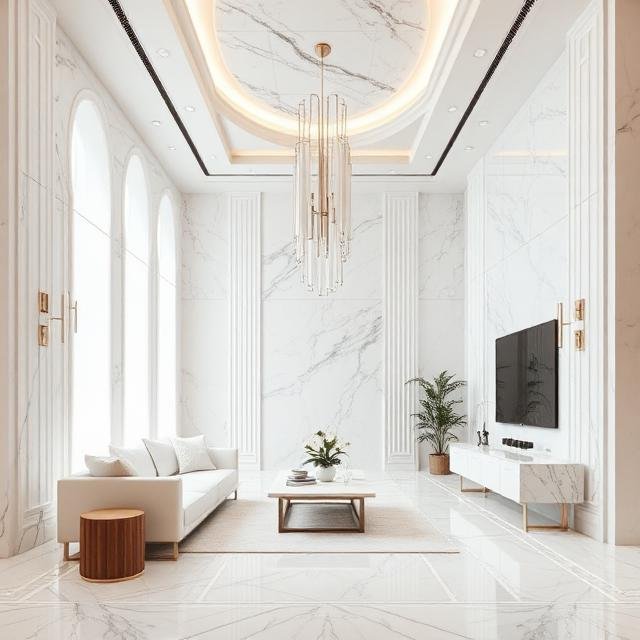
Marble is porous in nature and composed primarily of crystallized calcium; it acts as an active chemical participant in its environment. The yellow stain happens rarely, typically when there is a chemical reaction or material breakdown. Applying some incorrect method can permanently etch and ruin the surface of marble.
Primary Causes of White Marble Turning Yellow
- Internal Iron Oxidation (Natural “Rusting”): The natural white marble has traces of mineral deposits of iron, siderite, and ferrous. The dormant in dry conditions, persistent moisture or seepage triggers oxidation.
- This process produces rusty, amber-yellow blooms that migrate upward from deep within the crystalline matrix to the polished face.
2. Degradation of Topical Waxes, Sealers, and Coatings
Applying synthetic acrylic coatings and paste waxes to create an artificial gloss creates long-term hazards.
- Over time, exposure to ambient UV light, air, and friction causes these polymer layers to oxidize and yellow.
- Rather than the stone turning yellow, the yellowing is an amber film sitting directly on top, trapping dirt beneath it.
3. Inappropriate Cleaning Chemicals & Alkaline Build-Up
- Soaps & Detergents: Cleaning marble floors with dish soap or floor washes leaves a micro-thin tallow film. This residue attracts microscopic dust and yellows under room heat.
- Acidic Damage: Using lemon juice, vinegar, or harsh bathroom descalers chemically dissolves the calcium carbonate surface, creating an etched, dull, porous sponge that readily absorbs dirty mop water.
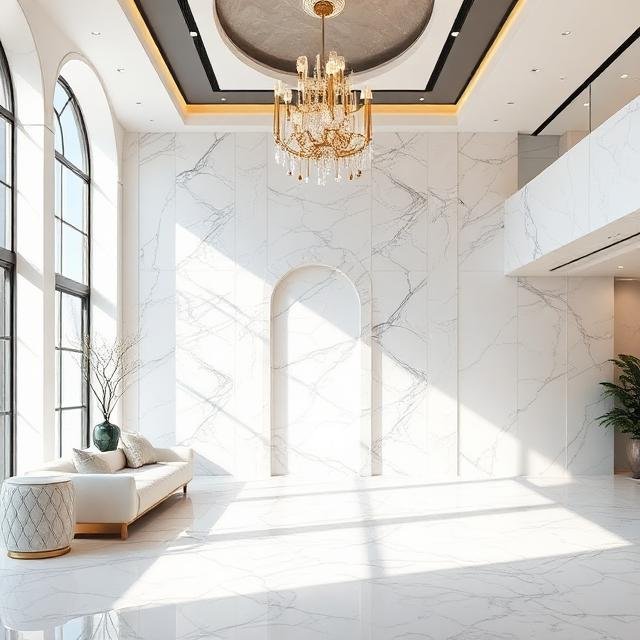
4. Substrate Mopping and Dirty Mop Water Absorption
When porous marble is washed with dirty mop water, the stone acts like a dense wick. As the water evaporates, suspended grease, oils, and particulate matter are left trapped inside the micro-pores, turning the marble dingy and yellowish, particularly along high-traffic corridors.
5. Incompatible Mortar and Bedding Moisture
If marble was set using standard grey Portland cement instead of white, non-staining, polymer-modified thin-set, water-soluble alkalis, and dark color from the mortar can wick up into the marble, manifesting as edge yellowing.
Diagnostic Matrix: What Is Your Yellow Stain?
| Visual Characteristics | Probable Cause | Depth of Stain | Recommended Approach |
| Patchy, reddish-yellow blooms; irregular shape | Subsurface iron oxidation (rusting) | Deep within the crystalline matrix | Chemical reducing/chelating poultice |
| Even a uniform amber film over the entire surface | Oxidized topical wax or acrylic sealer | Surface layer | Non-acidic stone coating stripper |
| Yellowing concentrated at tile joints/edges | Mortar leaching/trapped sub-slab moisture | Subsurface / Inter-tile | Moisture mitigation & poulticing |
| Dull yellow rings / tracks in showers or sinks | Hard water minerals & soap scum deposits | Surface to shallow pores | Neutral stone cleaner + light buffing |
Proven Remediation Protocols
Protocol 1: Stripping Decomposed Topical Sealers
If the issue is yellowed topical coatings, standard cleaning won’t suffice:
- Apply a non-acidic, heavy-duty stone stripper formulated specifically for natural marble.
- Allow 10 to 15 minutes of dwell time to soften the acrylic or wax barrier.
- Agitate gently with a soft white nylon scrubbing pad.
- Extract the suspended slurry with a wet-dry vacuum and neutralize with clean, distilled water.
Protocol 2: Chemical Poulticing (For Deep Stains & Oxidation)
Stains trapped inside the stone’s capillary channels cannot be removed; they must be drawn outward using a poultice:
- The Carrier Powder: Diatomaceous earth, bentonite clay, or talc.
- The Chemical Reagent:
- For oil, grease, or organic yellowing: 30%–35% cosmetic-grade hydrogen peroxide (H₂O₂).
- For rust oxidation: A commercial iron-chelating stone poultice
- Application: Mix into a thick paste (consistency of sour cream/peanut butter). Spread a 1/4-inch thick layer over the affected stone.
- Cover & Dwell: Cover with plastic wrap, tape down edges with blue painter’s tape, and poke small pinholes to allow gradual evaporation.
- Extraction: Let dry completely for 24–48 hours. As the poultice dries, capillary action draws the dissolved yellow impurities out of the stone and into the clay powder. Scrape away using a plastic putty knife and wipe clean.
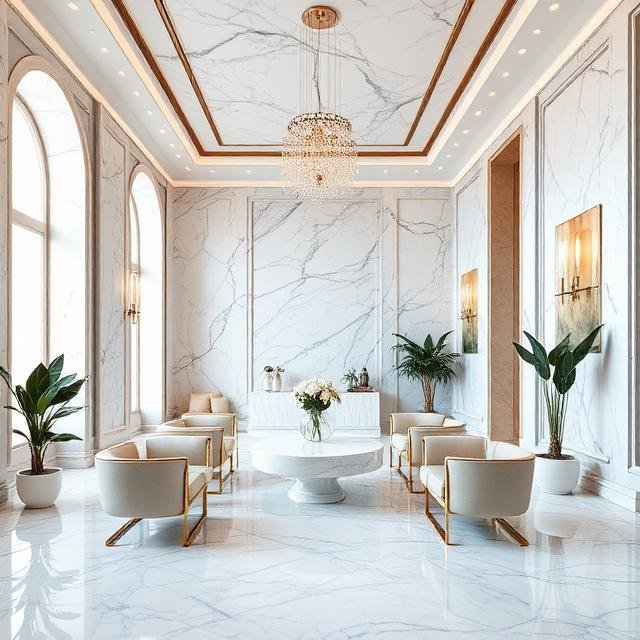
Protocol 3: Diamond Mechanical Hone & Polish
When yellowing is paired with surface etching and severe wear, professional stone restorers use progressive diamond resin pads to shave off the damaged micro-layer, exposing pristine marble crystals before applying a breathable crystallizer.
Preventative Maintenance Best Practices
- Always Use Penetrating Impregnators: Never apply topical film-forming waxes. Use a breathable, solvent-based penetrating impregnator that lines internal pore walls without trapping vapor.
- Strictly Neutral Cleaners: Maintain daily with dedicated pH-neutral (pH 7.0) stone cleaners.
- The Two-Bucket Mopping System: Mopping floors with two separate buckets (one for soapy water, one for clean rinsing) stops dirty water from penetrating open pores.
- Ventilation in Wet Areas: Install adequate exhaust fans in marble-clad bathrooms and squeegee shower walls after each use to prevent persistent saturation.
Frequently Asked Questions (FAQs)
Q1: Can I use chlorine bleach to whiten my yellowed marble?
No. While bleach whitens textiles, applying it to natural marble risks stripping sealers, leaving yellow sodium salt residues, degrading delicate crystal binders, and failing to address underlying iron oxidation.
Q2: Can all yellow stains be reversed?
Most stains can. Discoloration caused by waxes, cooking grease, mop water, and moderate iron oxidation can usually be reduced by 80% to 100% with chemical poulticing. However, deep-seated iron oxidation spanning the entire slab thickness may only be partially lightened.
Q3: How do I know if my marble needs resealing?
The Water Drop Test: Place a few drops of water on the marble surface. If the water beads tightly after 10 minutes, the seal is intact. If the area beneath darkens or absorbs the water, the stone is porous and needs immediate sealing.
Q4: Why did my brand-new marble turn yellow right after installation?
This typically stems from installation moisture reacting with gray cement mortar, unwashed leveling sand, or trapped water beneath a prematurely applied non-breathable sealer before the slab fully dried.
Conclusion
White marble does not yellow without a specific mechanical or chemical trigger. Whether the culprit is oxidized iron pyrite deposits, suffocating synthetic waxes, or dirty mop water, identifying the underlying cause is key. By pairing gentle chemical poultices with breathable impregnating sealers, you can reverse unsightly discoloration and preserve the timeless elegance of your natural stone.

