
Natural stone surface from luminous Italian Calacatta and Statuario marble to crystalline Indian Black Galaxy granite add enduring value and tactileness to residential and commercial spaces. However, their durability depends directly on chemical compatibility.
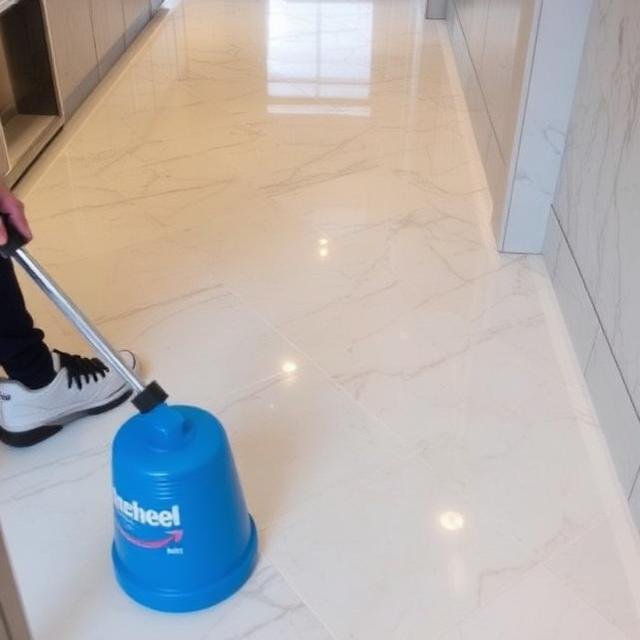
Many common household cleaning products degrade these stones through chemical etching and sealant breakdown. One must understand the mineral structure of the stone, and choosing the appropriate chemical formulation is essential to keeping your countertops and floor pristine.
The Mineral Anatomy: Why Stone Reacts to Common Cleaners
In order to care the natural stone, it is necessary to know the geological classification:
- Calcareous Stones (Marble, Limestone, Travertine, Onyx): They are composed of calcium carbonate and reacts with acidic substances.
- Siliceous Stones (Granite, Quartzite, Sandstone, Slate): It is composed of silica and feldspar, while significantly harder and more acid resistant than marble, granite contains micro fissures and composite minerals that can degrade the harsh alkaline agents and abrasive scouring powders.
The “Destruction List”: Common Chemicals That Ruin Marble and Granite
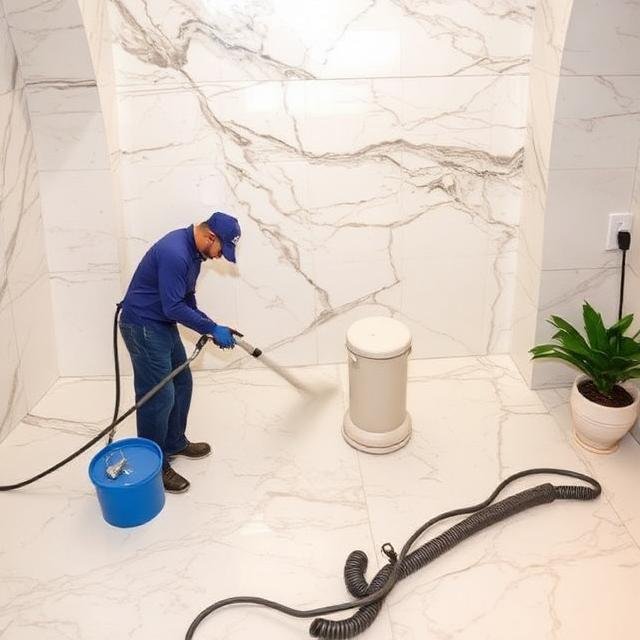
Before choosing a daily maintenance routine, eliminate the chemicals actively destroying your stone’s polished surface and protective impregnating sealers:
| Chemical / Household Product | pH Level | Mechanism of Damage | Primary Victims |
| Vinegar (Acetic Acid) | ~2.4 – 3.0 | Chemical etching; dissolves calcium carbonate on contact. | Marble, Travertine, Limestone |
| Lemon Juice & Citrus Cleaners | ~2.0 – 2.5 | Citric acid attacks the crystalline surface, leaving dull, rough patches. | Marble, Onyx, Limestone |
| Bleach (Sodium Hypochlorite) | ~11.0 – 13.0 | Strips impregnating sealers; causes micro-pitting and discoloration. | Marble, Granite |
| Ammonia (e.g., standard Windex) | ~11.0 – 11.5 | Breaks down fluorochemical and silicone-based surface sealers over time. | Granite, Quartzite, Marble |
| Bathroom Descalers / Rust Removers | < 1.5 | Phosphoric/Hydrochloric acid causes immediate deep chemical burn. | All natural stone types |
| Abrasive Scouring Powders | Variable | Scratches the mechanical factory polish via harsh mineral particulates. | High-gloss polished stone |
Understanding “Etching” vs. “Staining”
- A Stain occurs when liquid pigments (wine, turmeric, cooking oil) penetrate the porous capillaries of the stone.
- An Etch is not a stain; it is a chemical burn. An acid reacts with the calcium carbonate, physically eating away the stone’s microscopic top layer. You cannot wipe or scrub an etch mark away; it requires physical mechanical honing and re-polishing.
What Makes a Cleaner “Stone-Safe”?
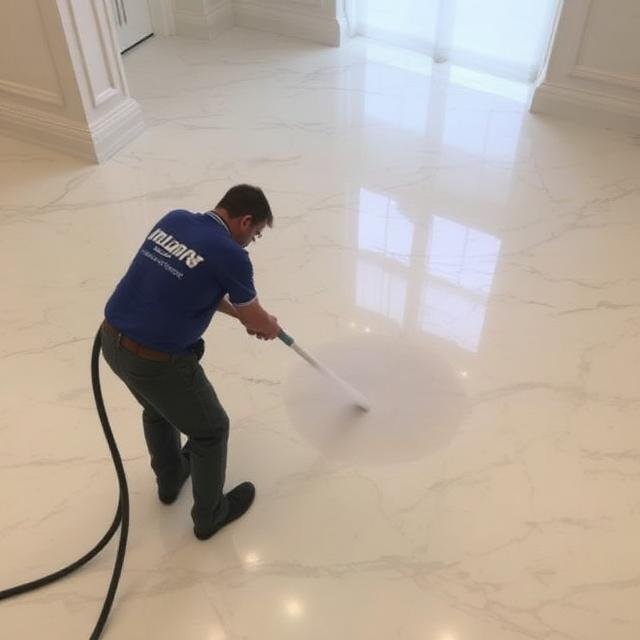
An ideal daily maintenance cleaner satisfies three non-negotiable criteria:
- Strictly Neutral pH (7.0): Formulated between 7.5 and 8.5 to prevent alkaline stripping.
- Surfactant-Based, No-Rinse Formula: Relies on mild non-ionic surfactants that suspend surface lipids and particulate dust without leaving soap scum or optical clouding.
- Sealer-Safe / Resealing Enhancers: Free of solvents that break down silane/siloxane fluoropolymer sealers, sometimes infused with trace sealing polymers to prolong protection.
Top Recommended Cleaners for Daily Maintenance
1. StoneTech Daily Cleaner
- Best For: High-traffic marble, granite, and quartzite countertops.
- Why It Works: Features a balanced neutral pH with gentle surfactants that remove cooking oils and dust without stripping impregnating sealers. Leaves a clean scent without soapy build-up.
2. Granite Gold Daily Cleaner
- Best For: Polished natural stone surfaces in kitchens.
- Why It Works: Free from phosphates, ammonia, and acids. Biodegradable and food-prep surface safe, preventing micro-streaking on high-gloss dark granites.
3. Fila Stone Plus / Fila CleanAll
- Best For: Large-format marble floorings and architectural cladding.
- Why It Works: Concentrated neutral cleaner engineered specifically for delicate calcareous stones like Botticino, Carrara, and Travertine. Cleans efficiently without damaging soft, porous mineral lattices.
4. The DIY Alternative: Purified Water + Pure Castile Soap
- Recipe: 2 cups distilled water + 3 drops liquid vegetable Castile soap.
- Application: Mist sparingly and wipe dry using a plush 350+ GSM microfiber cloth. Avoid adding essential citrus oils or tea tree oil.
Daily and Weekly Stone Care Protocol
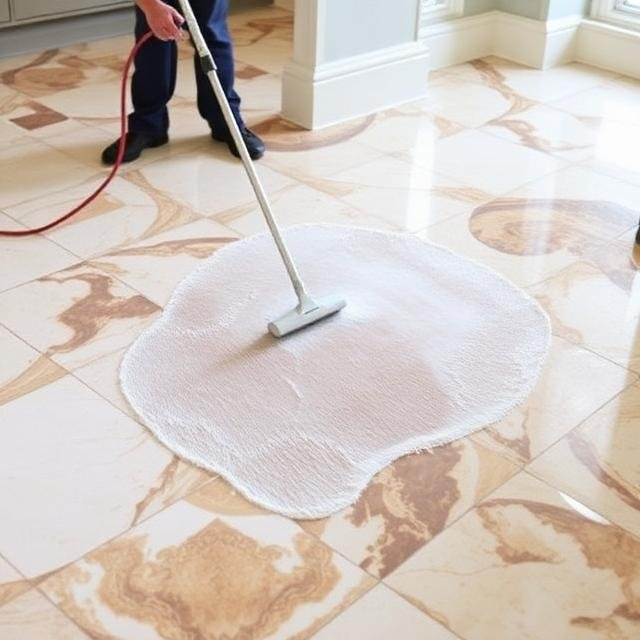
- Step 1: Dry Dust / Sweep First: Remove dry grit and sand using a clean microfiber cloth or dry microfiber mop. Hard silica grit dragged across soft marble scratches the polished finish.
- Step 2: Light Mist Application: Spray a pH-neutral cleaner evenly over the surface. Do not saturate the joints or unsealed fissures.
- Step 3: Linear Wipe: Wipe in broad, straight overlapping passes rather than circular motions to prevent friction halos.
- Step 4: Buff Dry: Natural stone absorbs lingering tap water minerals, leading to dull water spots. Always finish with a dry, clean microfiber cloth.
Conclusion
Preserving the finish and structural integrity of marble and granite does not require a complex arsenal of cleaning agents. The secret lies in chemical restraint: banish acids (vinegar, lemon juice), skip aggressive alkalines (bleach, ammonia), and use a specialized, pH-neutral daily stone cleaner paired with dry microfiber finishing. By protecting your stone’s seal and crystal lattice today, your investment will maintain its rich depth and luster for decades.
Frequently Asked Questions (FAQs)
1. Can I use Dawn dish soap to clean marble every day?
While mild dish soap won’t cause immediate chemical etching, using it daily is not recommended. Dish detergents contain emulsifiers and oils designed to stick to grease, which gradually creates an invisible, hazy film (soap scum) on natural stone that attracts dirt and dulls the finish. A dedicated, rinse-free pH-neutral stone cleaner is safer for daily maintenance.
2. How do I fix a dull, cloudy spot caused by vinegar or lemon juice?
If the stone feels rough and looks cloudy in the light, it is an etch mark. For honed marble, a fine marble polishing powder (containing aluminum oxide or potassium oxalate) applied with a damp cloth can buff out minor surface etches. For deep etches or polished granite, professional mechanical restoration by a stone technician is necessary.
3. How often should natural stone be resealed?
Perform the “Water Drop Test” every 6 to 12 months: place a tablespoon of water on the surface and let it sit for 15 minutes. If the water beads up, your seal is intact. If the stone darkens under the puddle, moisture has penetrated, meaning it is time to reapply a high-grade penetrating fluoropolymer sealer.
4. Is isopropyl (rubbing) alcohol safe on granite and marble?
A diluted solution of 70% isopropyl alcohol and distilled water (50/50 mix) is occasionally used for disinfection. However, frequent daily use can dry out and degrade topical stone sealers over time. Reserve alcohol-based solutions for occasional sanitation rather than everyday cleaning.

