
Granite is celebrated as one of the most durable stones for commercial and residential countertops. It is formed under high pressure and heat so that it can resist heat, scratches more than marble or soapstone. However, granite is an igneous rock threaded with microscopic pores and capillaries.
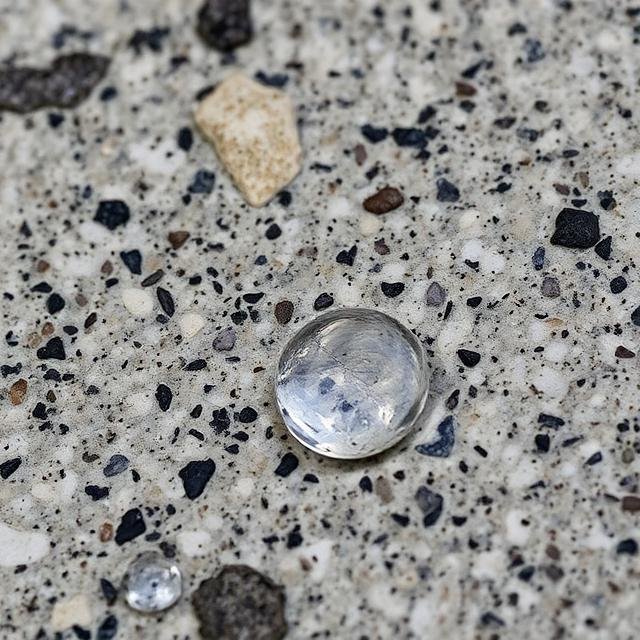
If it is not sealed, then the acidic liquids like lemon juice, wine oils, and coffee can penetrate easily into the stone and cause dark stains and etchings on the surface. You must know when to seal the countertop, and it comes down to one simple diagnostic, i.e., the Water Drop Test.
Why the “Once a Year” Rule Is a Myth
It is a myth that every year a granite slab must be sealed. In reality sealing depends on two primary factors:
- Stone Density and Color: Lighter granite like Colonial White and Kashmir White tends to have a higher porosity rating and needs sealing regularly every 12 months, while dense dark varieties like Uba Tuba and Black Galaxy granite are less porous and need 4 to 5 years of sealing or never at all.
- Traffic and Cleaning Habits: The harsh acidic multi-surface dish detergents can easily strip away the protective resin coats faster than dedicated pH-neutral stone cleaners.
Step-by-Step: The Water Drop Test
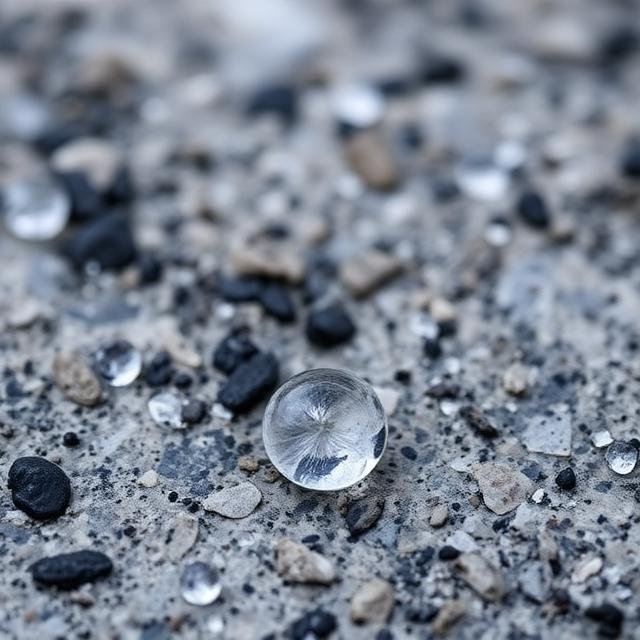
The water drop test measures quickly the microscopic pores of granite and pulls in moisture. It is the gold standard test used by many professionals.
- Prep the Area: Clean the section of your counter with pH-neutral cleaner and buff it dry and wait for 10 minutes to ensure no surface remains any moisture.
- Deposit Water: Pour about 2 to 3 tablespoons of clean water directly onto the surface to create a small puddle.
- Start a Timer: Check the puddle at regular intervals:
- Under 5 minutes: The water darkens the stone immediately. The stone’s micro-capillaries are wide open and apply an impregnating sealer immediately.
- 10 to 15 minutes: The water begins to seep in, leaving a shadow underneath. The protective seal is breaking down; plan to reseal within the week.
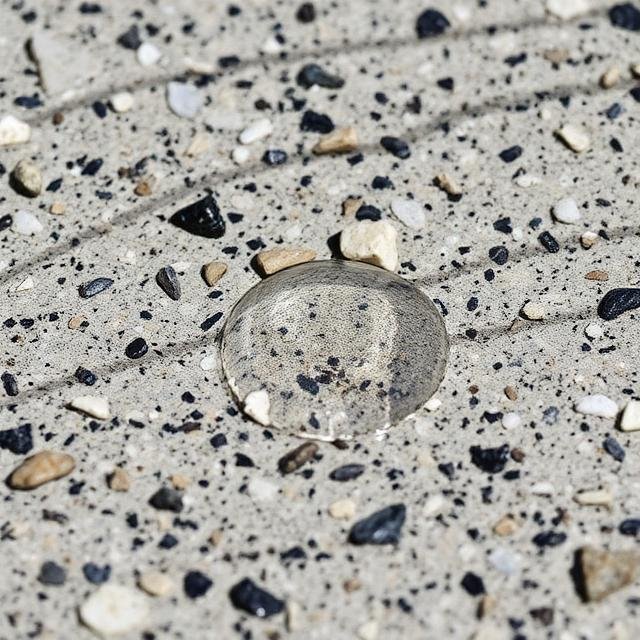
- 30+ minutes: The water beads tight and the stone beneath remains completely unchanged in color. Your sealer is intact; no action is needed. Re-test in 6 months.
- Clean Up: Wipe away the water. If a temporary dark ring appears, don’t panic. It will evaporate once the moisture escapes, confirming that water can enter the stone.
How to Seal Your Granite in 4 Simple Steps
When you do the water test confirms your granite needs resealing, the process takes less than an hour:
- Deep Clean: Wash the surface using stone cleaner to remove residual grease. Let it dry completely for 6 to 8 hours.
- Apply the Sealer: Spray water-based impregnating stone sealer evenly across the slab until the entire surface is damp.
- Dwell Time: Allow the liquid to penetrate for 10 to 15 minutes. If areas dry out prematurely, apply more sealer to maintain even saturation.
- Buff Dry: Before the sealer turns sticky, use a clean microfiber towel to wipe off 100% of the surface residue until completely dry and streak-free. Let it cure for 24 hours before heavy use.
Conclusion
Granite care does not need to be intimidating or anchored to arbitrary timelines. By relying on the 15-minute water drop test twice a year, you protect your stone precisely when needed without wasting money or causing cloudy sealer buildup from over-application. Treat the stone with pH-neutral cleaners, address high-porosity areas promptly, and your counters will retain their natural luster for decades.
Frequently Asked Questions (FAQs)
Q1: Can you seal granite too often?
Yes. Applying sealer when the stone pores are already saturated leads to product pooling on the polished surface. This dries into a hazy, sticky film that must be stripped using solvents or razor scraping. Only seal when the water drop test indicates absorption.
Q2: Does sealing granite make it stain-proof?
No sealer makes natural stone 100% stain-proof. Penetrating sealers are “stain inhibitors”—they clog micro-channels to dramatically slow the absorption rate, giving you hours to clean up spills instead of seconds.
Q3: Can I use olive oil or lemon juice for the drop test?
Water is preferred because it evaporates cleanly without leaving residue. While mineral oil can be tested alongside water to check oleophobic protection, avoid lemon juice or vinegar—acids can dull or damage reactive minerals within certain granite varieties.
Q4: What should I do if my granite already has a dark oil stain?
Do not seal over an existing stain. Extract it first using a poultice made of baking soda and acetone or 40% hydrogen peroxide. Once the paste dries into a powder and pulls the oil out of the pores, clean the stone and reseal it.

