
In interior design and architectural specification, the materials go through with different cycles. The engineered quartz is dominated in the residential building over the past decade due to uniform pattern and easy maintenance. In today’s leading architects and high end designers are increasingly specifying the Natural granite over the engineered alternatives.
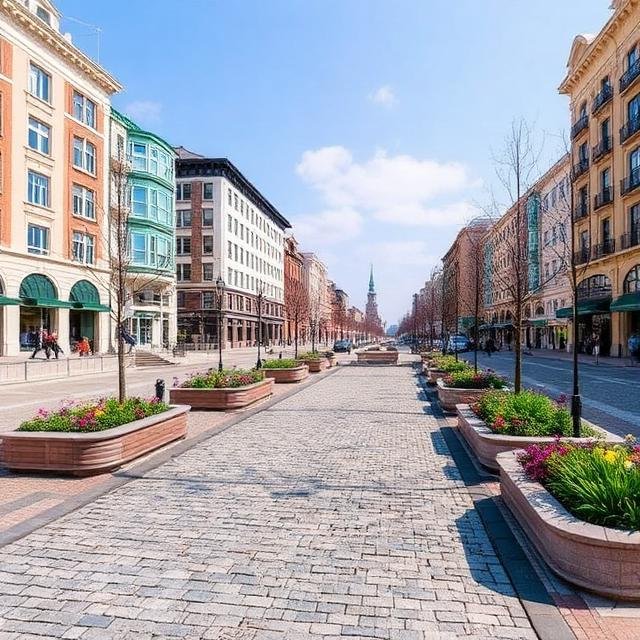
In this movement is driven by thermal limits, outdoor living integration and strict environmental standards. Here is why top architectural firms prefer natural granite slabs for high performance projects.
1. Superior Heat Tolerance and Thermal Resistance
The primary difference between natural stone and engineered quartz lies in heat residence. Engineered quartz contains roughly 7 to 10% polymer resins and binding adhesives mixed with crushed stone. It is subjected to direct heat as hot cookware, induction heat transfers the resin binding in quartz can scorch yellow.
Granite forms naturally under extreme geological heat and pressure. It can easily handle hot pots, highly resistant to heat and integrated heating elements without melting or requiring protective hot pads.
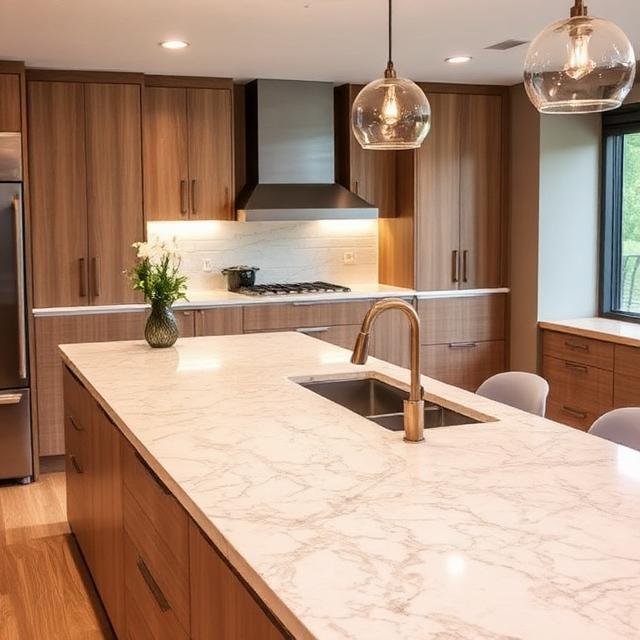
2. Authentic Uniqueness vs. Manufactured Repetition
In 2026, the design landscape embraces biophilic elements, individual material narratives.
- Granite: Every granite block extracted from a quarry tells an irreplaceable geological story. The intricate veining, feldspar crystallization, and depth of shade ensure that no two installations are identical.
- Quartz: Despite print quality advances in engineered surfaces, quartz patterns are computer-generated prints layered over composite bases. On multi-slab commercial builds or large kitchen islands, repetitive print cycles undermine the sense of authenticity.
For architects building luxury estates, boutique hotels, or custom commercial spaces, natural stone delivers an irreplaceable sense of craftsmanship and permanence.
3. UV Stability and Indoor-Outdoor Transitions
Modern architecture heavily emphasizes seamless transitions between indoor living rooms and outdoor entertaining spaces.
When exposed to direct sunlight, the synthetic resins and pigments in engineered quartz yellow, warp, and fade due to ultraviolet rays. As a result, quartz is restricted primarily to climate-controlled indoor environments.
Natural granite is UV-stable. Whether applied as exterior building cladding, an outdoor kitchen counter, a poolside bar, or patio flooring, granite maintains its structural integrity and color profile through sun exposure, rain, and freeze-thaw cycles.
4. Sustainability and Low-Chemical Footprint
In 2026, green building accreditations (LEED, WELL, and BREEAM) dictate material specification. Architects evaluate a material’s full lifecycle footprint:
| Sustainability Factor | Natural Granite | Engineered Quartz |
| Manufacturing Process | Mined, cut, and polished mechanically | Energy-intensive resin mixing and heat curing |
| Chemical Additives | 0% synthetic binders or petroleum resins | 7–10% synthetic polymer resins and dyes |
| Off-Gassing / VOCs | Zero VOC off-gassing | Potential VOC off-gassing during fabrication |
| Recyclability & Longevity | 100% recyclable; outlasts the building lifecycle | Difficult to recycle due to resin-mineral bond |
Because granite requires no synthetic chemical binding, its embodied carbon footprint is largely limited to extraction and transportation, making it a cleaner fit for eco-friendly building standards.
5. Modern Finish Versatility (Honed, Leathered, and Flamed)
Architects are moving away from hyper-reflective, high-gloss finishes toward textured, tactile surfaces. Granite takes diverse surface treatments exceptionally well:
- Leathered Granite: Softens the natural stone texture while tightening its pores, delivering an organic matte finish that hides fingerprints and water spots.
- Honed Granite: Creates a smooth, non-reflective satin appearance ideal for contemporary, minimalist designs.
- Flamed Granite: Uses intense heat processing to burst surface crystals, yielding a rugged, slip-resistant surface engineered for heavy-traffic exterior walkways and wall facades.
Engineered quartz struggles to match these textural depth variations due to its uniform resin structure.
Conclusion
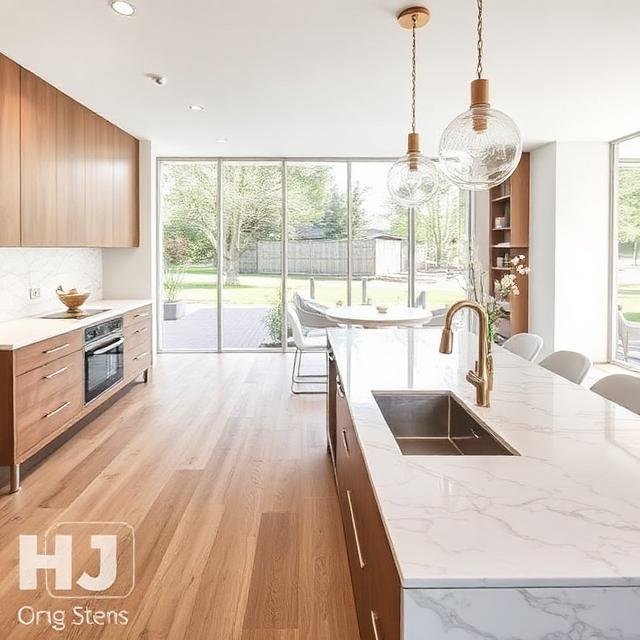
While engineered quartz remains a functional, low-maintenance option for standard residential developments, natural granite holds the advantage for architects who prioritize authenticity, structural performance, and environmental responsibility. Granite withstands direct heat, resists UV fading outdoors, offers authentic biophilic beauty, and delivers a low-chemical material profile. By selecting natural granite, design professionals create spaces that age gracefully and retain value over time.
Frequently Asked Questions (FAQs)
Q1: Doesn’t granite require frequent sealing compared to quartz?
Answer: Modern impregnating stone sealers have changed natural stone care. A single application of professional-grade fluoropolymer sealer protects granite for 3 to 5 years, requiring less than 15 minutes of routine application.
Q2: Is natural granite more expensive than premium engineered quartz?
Answer: Not necessarily. While exotic granite slabs carry a luxury price tag, standard and mid-grade natural granite is frequently more cost-effective per square foot than brand-name engineered quartz.
Q3: Can natural granite be used with invisible induction cooktops?
Answer: Yes. Granite’s natural thermal resistance allows it to pair safely with undermounted induction cooktops and high-heat kitchen tech without risk of cracking or discoloration.
Q4: How do architects select granite slabs to avoid “busy” visual patterns?
Answer: Architects specify monochrome or subtly veined granite varieties (such as Absolute Black, Steel Grey, or Taj Mahal-inspired granites) with honed or leathered finishes to achieve clean, modern aesthetics.

