Terrazzo is a composite material from the 15th century, started from Venetian resourcefulness. It has shed light on its beautiful aesthetic appeal and is best suitable for contemporary interior designs.
From sprawling commercial floors to chic kitchen countertops and any decorative accessories. Terrazzo is trending in this modern era, but what fueled this significant comeback? Let us understand the reason behind this comeback and why terrazzo is the hottest trend in modern design.
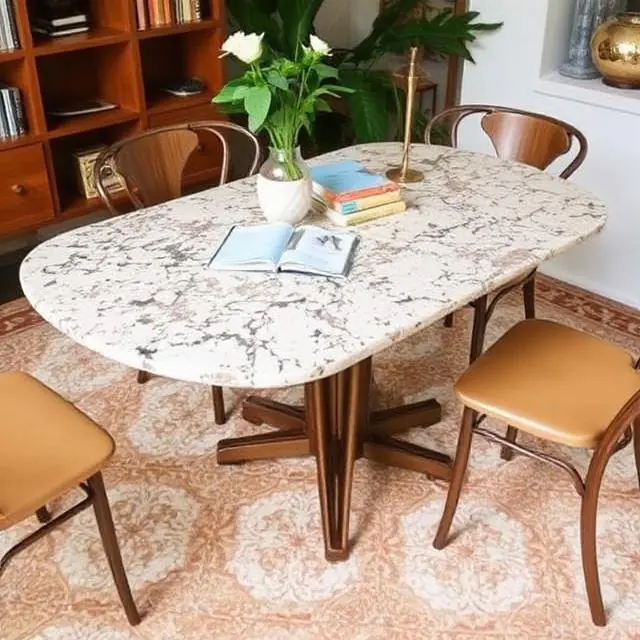
The Allure of the Speckle: Why Terrazzo Is King
The popularity of terrazzo is a blend of practical benefits and a perfect alignment with modern design philosophies.
1. Sustainability and Eco-Consciousness
In the modern era, where sustainable design is important, terrazzo shines as an inherently eco-friendly product.
- Recycled Content: Terrazzo is incorporated with up to 70-80% recycled materials such as quartz, granite, glass, and chips of marble, diverting the landfills’ waste.
- Durability and Longevity: Terrazzo is one of the most durable surfaces available in the market that lasts for decades. The durability reduces the need for replacement and lowers the environmental footprint.
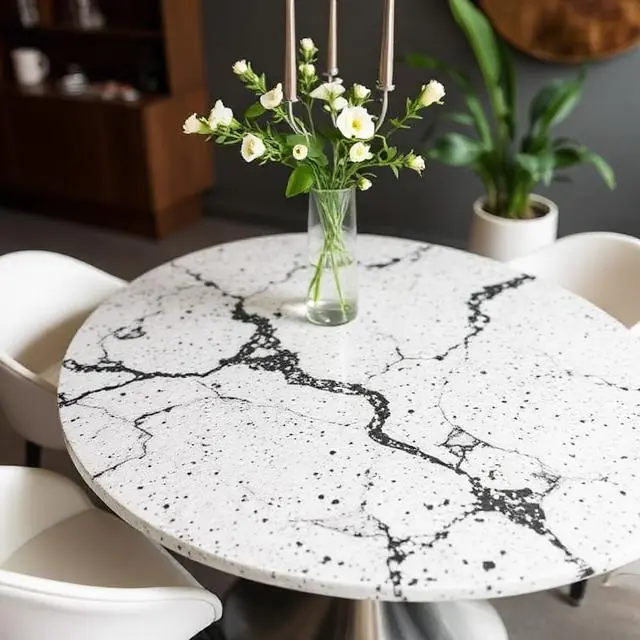
2. Design Versatility and Customization
Terrazzo installation offers an unparalleled level of personalization.
- Unlimited Palette: The designers often choose from an infinite range of binders and a vast range of aggregate chips from subtle monochrome to bold vibrant color mixes.
- Application Beyond the Floor: While the roots are in flooring, the terrazzo is being used for stunning kitchen and bathroom backsplashes, vanity tops, feature walls, and even furniture like coffee tables.
3. Timeless Appeal with a Modern Twist
Terrazzo successfully bridges the gap between traditional charm and the modern style of cutting edge.
- The material’s texture offers a visual depth to both retro and modern, from minimalist Scandinavian to bold maximalist.
- The current trends favor large-format tiles with oversized aggregates that create a seamless look and make the space feel more expansive.
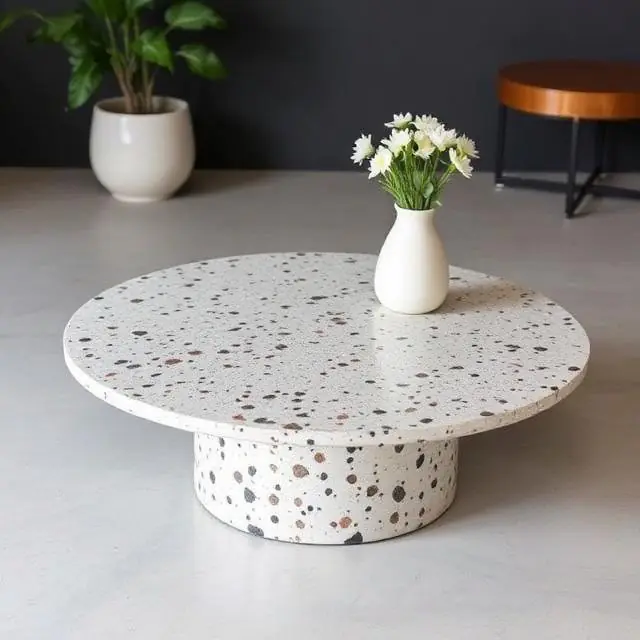
4. Low Maintenance and High Durability
For modern life, convenience is the key.
- Terrazzo is best suitable for daily wear and tear and heavy foot traffic, and it is ideal for high-traffic areas.
- It requires a proper sealant; it is stain and water resistant. A simple sweeping and mopping on a daily basis is sufficient.
2025 Terrazzo Design Trends
In 2025, Terrazzo brings new trending designs to the forefront.
- Bold, Colorful Aggregates: Moving beyond the traditional neutral tones, the current trend features large chips of vibrant color like emerald green, cobalt blue, and terracotta.
- Monochrome Elegance: For minimalist spaces a monochrome terrazzo like white or grey speckles is best suitable to add sophisticated charm without overwhelming the clean aesthetic.
- Matte Finishes: A shift away from high gloss to matte finish is trending. It offers a softer and more organic feel, a perfect material for a luxurious look.
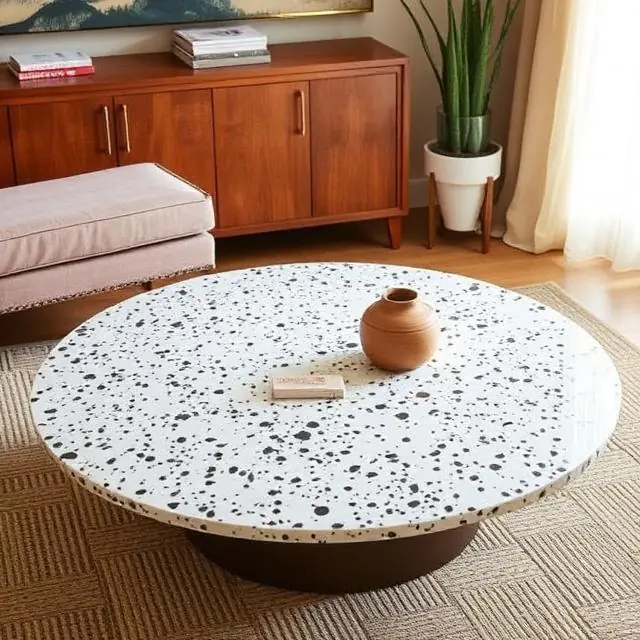
Conclusion: A Trend with Staying Power
Terrazzo is more than a fleeting trend; it is a design philosophy that champions durability, sustainability, and creative expression. By marrying its humble, recycled origins with modern manufacturing and bold design choices, it has secured its place as a sophisticated, long-lasting, and responsible choice for the contemporary home. The speckled surface invites us to embrace a lively, customized, and truly timeless style.
Frequently Asked Questions (FAQs) About Terrazzo
Q: Is terrazzo expensive?
A: The initial cost can be higher than standard tile or laminate due to the specialized materials and professional installation required. However, its exceptional durability and very low maintenance mean it is often a highly cost-effective investment over its long lifespan, which can easily extend for decades.
Q: Can terrazzo be used outdoors?
A: Yes, it can. Traditional cement-based terrazzo is an excellent choice for outdoor spaces like patios, walkways, and pool decks, as it is robust and holds up well against various weather conditions. Epoxy-based terrazzo, which is less UV resistant, is generally recommended for indoor use.
Q: Is terrazzo hard to clean?
A: No, it’s very low-maintenance. It’s known for its resistance to wear and stains (when properly sealed). Daily care usually involves simple sweeping or vacuuming, and occasional mopping with a mild, pH-neutral soap. Cement-based terrazzo might need periodic resealing to maintain its optimal stain resistance.
Q: How does terrazzo compare to natural marble?
A: Terrazzo offers far greater customization in terms of color and chip size than natural marble. Importantly, it is significantly more durable, less porous, and easier to maintain than marble. While marble is prized for its natural elegance, it is a softer stone that requires more frequent sealing and care.
Q: What is modern terrazzo made of?
A: Terrazzo is a composite material. It’s made from chips (or aggregates) of materials like marble, glass, quartz, or granite, which are set into a binding agent. This binder is typically either cement (for traditional, more porous finishes) or epoxy resin (for modern, non-porous surfaces that allow for brighter colors).