
The Pooja room is the sanctuary of the home, a place for all worship, a space where spiritual energy is connected. Choosing a perfect marble for this sacred corner is paramount, and it must embody purity and serenity while it also stands the test of time with daily pooja rituals. Among all these daily wear-and-tear activities, marble remains the most durable for its divine aesthetic and association with traditional temple architecture.
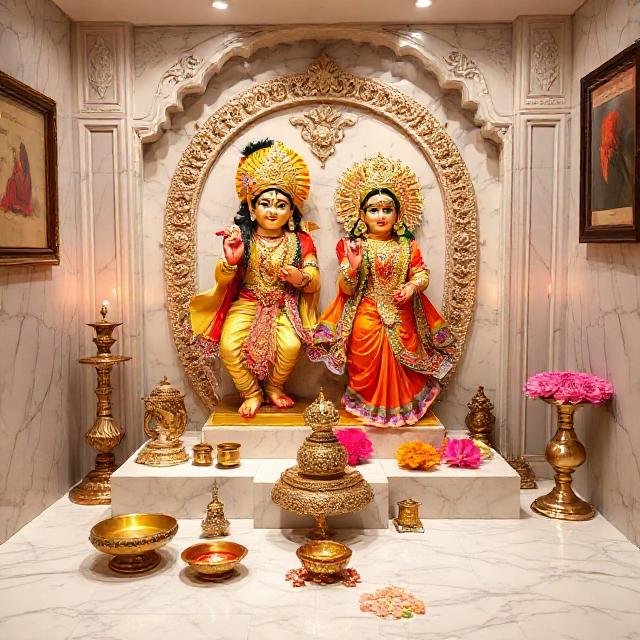
Here is a guide on selecting the best marble for an auspicious, durable marble as per Vastu Shastra.
The Auspicious Vastu Connection: Color and Purity
According to Vastu Shastra, the traditional Indian architecture, the choice of material and color matters significantly, as it is believed that it impacts the flow of positive energy in the home. For the pooja room, especially light colors are recommended, as they symbolize peace, spiritual harmony, and purity.
| Vastu-Approved Marble Colors | Significance |
| White (The most preferred) | Purity, Peace, Tranquility, and Spiritual Energy. |
| Cream/Beige | Warmth, Calmness, Serenity, and Neutrality. |
| Light Yellow | Wisdom, Knowledge, and Auspiciousness. |
Vastu Tip: It is generally recommended to avoid dark shades like black marble for the main structure of the pooja room or for the flooring. As the dark shades will absorb the light and positive energy, they potentially reduce the sacred feel of the space.
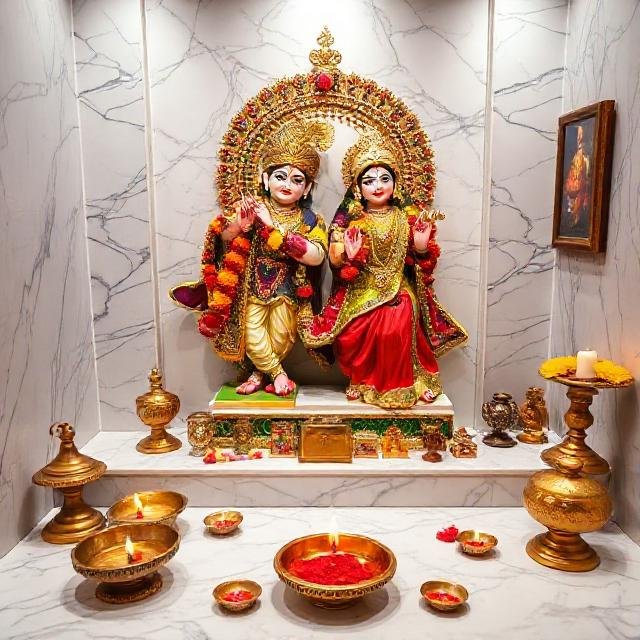
Top Marble Choices for Durability and Divinity
All marble radiates light and elegance, and some special marble offers a superior balance with color, structural strength, and workability for intricate carvings.
1. Makrana White Marble (The Classic Choice)
- Origin: Rajasthan, India (The same marble used in the Taj Mahal).
- Aesthetics: It is known for its pure white shade with minimal veining. It has a beautiful subtle sheen.
- Durability & Purity: Makrana marble is considered one of the highest quality marble categories, and it is highly durable in nature. The purity makes it one of the top choices for traditional Indian temples and highly recommended by Vastu shastra. It is excellent for carving artwork.
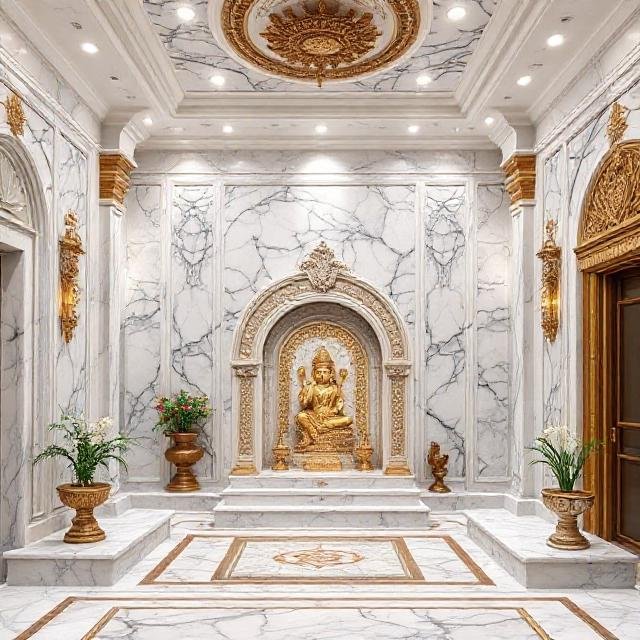
2. White Italian Marble (The Luxurious Choice)
- Varieties: Carrara, Calacatta, and Statuario marble are known for their distinct gold and grey veining patterns.
- Aesthetics: It offers a luxurious appeal with its brilliant white shade, and it has soft veins.
- Durability & Maintenance: It is beautiful, softer, and more porous than Makrana marble. It requires regular sealing and more diligent maintenance to prevent stains and etching. It is best suitable for contemporary or modern mandir designs.
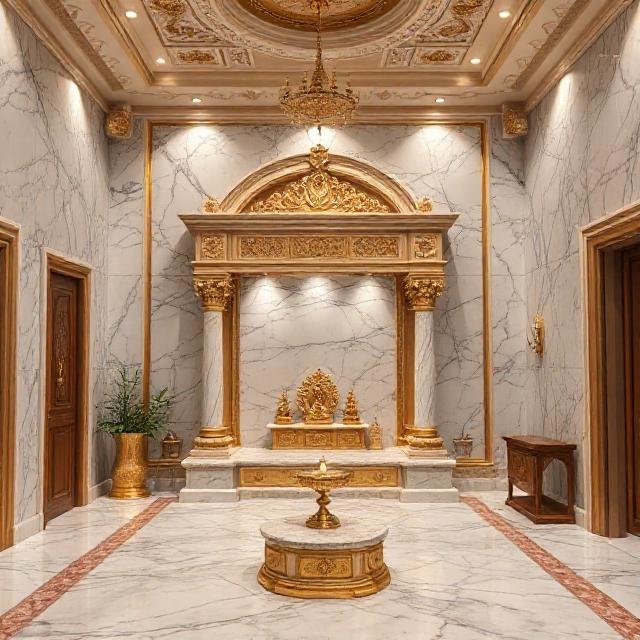
3. Crema Marfil (The Warm, Neutral Choice)
- Origin: Spain.
- Aesthetics: It is popular beige-colored marble with natural veining.
- Auspiciousness & Durability: The neutral shade is highly recommended for Vastu and offers a warm and calming ambiance. It is highly durable and a great alternative to white marble for those seeking a soft palette.
Marble vs. Granite for Pooja Rooms
The granite is also durable in nature and low maintenance. It is best for other areas of the home. Marble is often preferred for the Pooja room for spiritual connection and aesthetic designs.
| Feature | Marble (e.g., Makrana, Italian) | Granite |
| Aesthetics | Classic, Elegant, Bright, and Traditional. | Sleek, Modern, and Bold (available in darker colors). |
| Vastu Compliance | Excellent (especially white/cream), symbolizes purity. | Less traditional, but acceptable in light shades like Kashmir White. |
| Carvings | Soft enough for intricate, detailed carving and traditional designs (arches, domes). | Very hard, making intricate carvings difficult and costly. Better for clean, plain designs. |
| Purity | Historically revered as the purest stone for sacred spaces. | Highly durable, but less symbolic of divine purity in a traditional context. |
| Maintenance | Porous, prone to staining (kumkum, oil). Requires sealing and frequent care. | Highly dense, resistant to scratches, heat, and stains. Low maintenance. |
Final Verdict: For traditional, intricate veining pattern and vastu aligned space marble is teh best choice and it is the durable in nature compared to granite. For modern designs with low maintenance, light colored granite is preferred.
Key Maintenance Tips for Marble Pooja Rooms
To ensure your marble mandir remains pristine and auspicious for decades:
- Seal it: A premium quality sealant must be applied regularly to protect the porous surface from oil and kumkum oils.
- Immediate Cleanup: Always wipe up the spills of kumkum oils, turmeric, and lemon juice. To wipe, use a soft and damp cloth.
- Gentle Cleaning: Use only water and pH-neutral stone cleaners. Avoid acidic and chemical-based cleaners that cause etching on the surface.
- Protect the Base: Use heat-resistant mats or brass or copper trays under diyas and incense burners to prevent heat damage and burn marks.
Conclusion: A Timeless Sanctuary
The Pooja Room, built upon a foundation of auspicious and durable marble, transcends mere architecture; it becomes a spiritual anchor for the home. By prioritizing pure white or cream-colored marble like the revered Makrana White, you ensure your sacred space is not only visually stunning and exceptionally durable but also compliant with Vastu Shastra, inviting an abundance of peace, purity, and positive energy into your life.
FAQs on Marble for Pooja Rooms
- Q1: Which marble is the absolute best for a Pooja Room?
- A: Makrana White Marble is widely considered the best choice. It is renowned for its supreme purity, exceptional durability, timeless aesthetic, and high Vastu compliance.
- Q2: Is Italian marble suitable for a mandir?
- A: Yes, it is suitable for a luxurious and modern look. However, being softer and more porous, it needs regular, quality sealing and more careful maintenance to prevent staining from ritual materials.
- Q3: Can I use colored marble in the Pooja Room?
- A: Vastu Shastra advises using light, pastel colors like white, cream, or light yellow for the main structure. You can incorporate small accents of colored marble (e.g., light green or a contrasting vein) in borders, inlay work, or a backdrop, but the overall feel should remain light and serene.
- Q4: How do I remove a kumkum stain from marble?
- A: Act immediately! For fresh stains, wipe gently with a mild soap solution. For set stains, a poultice made of baking soda mixed with water or a tiny amount of hydrogen peroxide can be applied and left on the stain for 12–24 hours before rinsing. Always test a small, inconspicuous area first.

