
The blinding gleam of polished marble and the mirror-like glossy finish of marble are good, but for the interior designs, a honed and leathered-finish marble is taking over. A quiet revolution is moving awry from the pristine and demanding aesthetic of high glossy finishes to the natural honed and leathered finishes. It is a shift in our collective preference for spaces that feel organic, lived-in, and authentic.
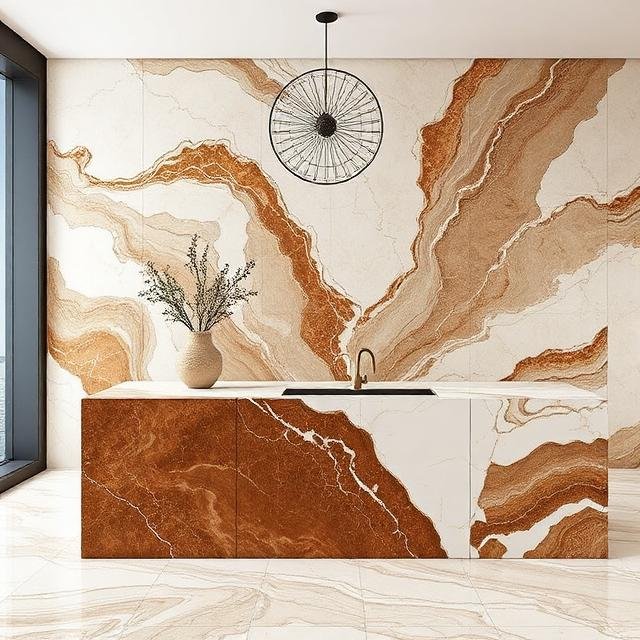
Think of the polished marble as something that has a smooth finish, is pristine, and is perhaps a little sterile. The finish that demands constant attention and the finish that screams “don’t touch.” This is precisely what’s driving the move towards honed and leathered finishes. They invite touch and interaction, creating a sense of warmth and comfort that is hard to achieve with a glossy finish. In this article, let us understand the reason for the high demand of honed and leathered finishes and tactility over the shine.
Beyond the Glamour: Understanding the “Why”
This tactile shift is rooted in several converging factors:
1. The Desire for Authenticity and Natural Materials:
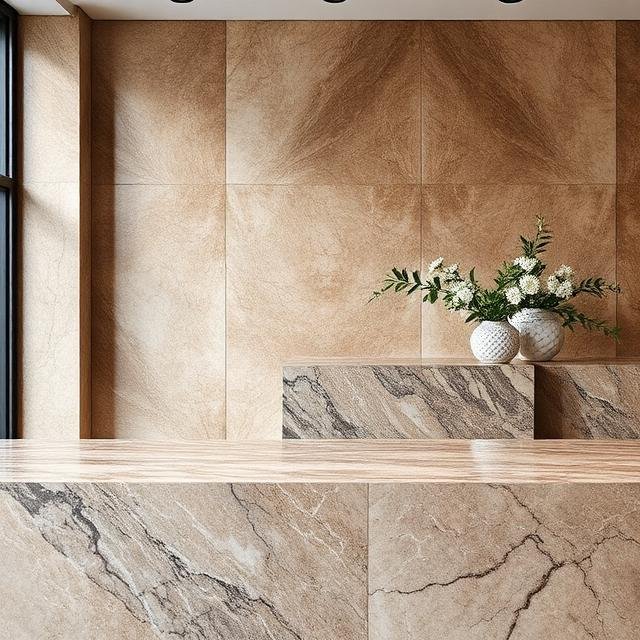
We are living in a digital world; there is growing hunger for spaces that connect us back to the natural world. The polished marble and wood can feel clinical, striping away the natural look and depth that make these materials so compelling. The honed and leathered finish, however, highlights the true character of the material. They celebrate the veins in marble, the grain of wood, and the unique flecks of mineral that give an organic quality to our homes.
2. A Shift Towards Comfort and Liveability:
The high maintenance of a glossy finish surface is the major drawback for many homeowners. The fingerprints, scratches, dirt, and water spots can sit on the surface and cause stains on polished marble and wood. This constant worry makes it difficult to maintain our own space. While the leathered and honed-finish marbles are more forgiving, they look naturally more resistant and suitable for daily wear and tear. The imperfections can often be blended in and even add character to the surface.
3. The Evolution of Minimalist Design:
While minimalism has long been associated with clean lines and simple forms. It is evolving to incorporate more warmth and texture. The minimalism of the past often has a sterile surface and gives way to a more tactile form of minimalism. The honed and leathred finish provides the essential warmth and depth without cluttering the space.
4. A Focus on Experience and Emotion:
The design is no longer about aesthetic appeal; it is also about how the space makes us feel. Tactility plays a vital role in our emotional response to the space. The touchably smooth, warm, and slightly textured surface can evoke calm, comfort, and luxury appeal. The leathered finish creates a multi-sensory experience and makes our home feel more grounded and welcoming.
5. The Influence of Scandinavian and Japanese Design:
The Japandi aesthetic blends Scandinavian functionality with Japanese minimalism that emphasizes the beauty of natural materials and harmonious connection to nature. The design philosophy strongly advocates the finishes that feel authentic and tactile, such as textured textiles and raw wood. The influence of Japandi significantly contributes to the popularity of honed and leathereed finishes.
Honed vs. Leathered: A Closer Look
So, what exactly are these finishes and how do they differ?
Honed Finish:
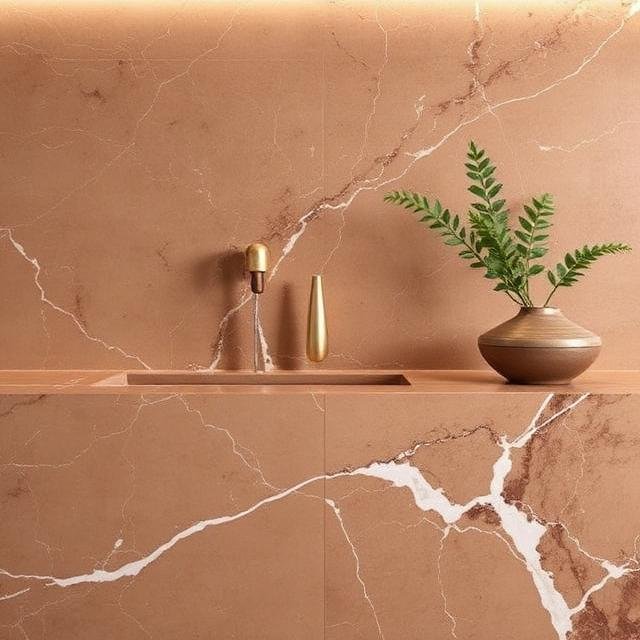
A honed finish is essentially a matte finish. For stone, it is achieved by stopping the grinding process before the surface is fully polished. For wood, it involves using a finer sandpaper to create a smooth but non-reflective surface.
- Aesthetic: Velvety, soft, and smooth.
- Tactility: Feels silky and sophisticated.
- Pros: Shows fewer fingerprints, is more forgiving than polished finishes, and gives stone and wood a classic, understated look.
- Cons: Still requires regular sealing (for stone), can be susceptible to staining (less so than polished, but still a concern), and can look “flat” if not used thoughtfully.
Leathered Finish:
A leathered finish goes a step further in adding texture. It’s achieved by brushing the surface with special diamond-tipped brushes, which give the material a dimpled, pebbled appearance. It’s most commonly used on granite and marble.
- Aesthetic: More rugged and textured than honed.
- Tactility: Offers a satisfying depth and roughness, reminiscent of weathered leather.
- Pros: Hides scratches and water spots incredibly well, highlights the natural color of the stone, and creates a more dramatic, unique look.
- Cons: Can be more difficult to clean in crevices, is generally more expensive than honed finishes, and is not always suitable for every type of stone.
Applying the Tactile Trend in Your Home
Now that we understand the “why,” how can we bring this trend into our homes?
1. Stone Countertops and Backsplashes:
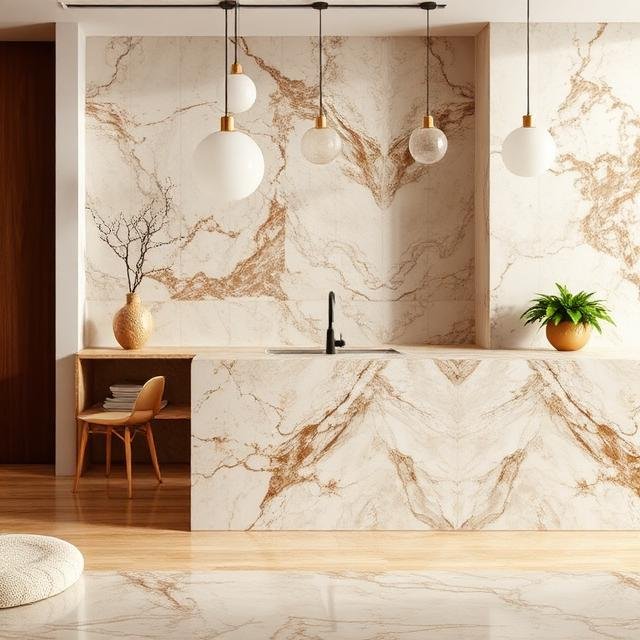
This is the most popular application for honed and leathered finishes. Imagine a kitchen with a honed Carrara marble island or a master bath with a leathered black granite vanity top. It instantly adds depth, warmth, and a touch of the outdoors. The tactile quality makes you want to run your fingers over the surface, creating a more engaging experience.
2. Flooring:
Honed stone or even concrete flooring can create a seamless and sophisticated look. It’s practical, hides dust and scratches well, and feels great underfoot. It’s a great way to introduce natural texture on a large scale.
3. Furniture:
Wood furniture with a matte or honed finish is a key element of the current tactile trend. Forget the super-shiny lacquered coffee tables. Opt for a solid oak dining table with a rich, honed finish that highlights the beauty of the grain. This immediately makes the piece feel more authentic and inviting.
4. Accent Walls and Fireplace Surrounds:
Using honed or leathered stone for an accent wall or a fireplace surround can create a stunning focal point. It adds a layer of rugged elegance and texture to a room, creating a sense of history and permanence.
5. Cabinetry:
While less common, matte or honed cabinet finishes are gaining popularity. They offer a modern and sophisticated alternative to standard semi-gloss cabinetry, adding depth to the kitchen design.
6. Decorative Objects and Lighting:
Don’t overlook the smaller details. Opt for matte ceramic vases, textured terracotta pottery, and lighting fixtures with a brushed metal finish. These smaller touches weave the tactile theme throughout the space.
7. Layering Textures:
The real magic happens when you layer textures. Pair a honed stone countertop with textured linen napkins, a soft wool rug, and raw wood stools. The combination of different surfaces creates depth and makes the space feel rich and engaging.
Conclusion
The shift towards honed and leathered finishes is more than just a fleeting trend; it’s a reflection of our evolving desire for spaces that feel real, comfortable, and grounded. It’s a move away from the perceived perfection of the polished and towards the inherent beauty of the natural. By prioritizing tactility over shine, we are creating homes that are not just visually appealing but also a joy to live in – spaces that invite interaction and foster a sense of well-being. This trend reminds us that true luxury is not about perfection, but about authenticity, comfort, and the powerful feeling of being connected to the world around us.
FAQs
1. Are honed finishes harder to clean?
Honed stone is generally less stain-resistant than polished stone, so it requires a higher quality sealer and more frequent re-sealing. However, it is much more forgiving with fingerprints and scratches.
2. Is a leathered finish more expensive than a polished one?
Yes, generally speaking, a leathered finish is more expensive due to the additional labor and specialized equipment involved in creating the texture.
3. Will a honed finish fade?
No, a honed finish is not a color treatment but a surface finish. It will not fade, though it can show patina over time.
4. Can I get a leathered finish on any stone?
No, leathered finishes are typically best suited for harder stones like granite, although some softer marbles can also be leathered. It is always best to consult with a stone fabricator.
5. How do I maintain a honed or leathered finish?
- For Stone: Regular sealing with a penetrating sealer is crucial. Use pH-neutral cleaners specifically designed for natural stone. Wipe up spills immediately, especially acidic substances like lemon juice or wine.
- For Wood: Use a wood cleaner recommended by the manufacturer. Dust regularly with a microfiber cloth. Avoid harsh chemicals and abrasive cleaners.
6. Can a high-gloss surface be changed to honed or leathered later?
Yes, but it requires professional refinishing. A stone fabricator can hone or leather an existing polished stone surface, although this process can be messy and expensive.

