Marble is a timeless beauty adding a touch of sophisticated appeal to any space. However, old marble often comes with a history of its own dull spots, deep stains of water rings.
Marble is a porous, metamorphic rock made of calcium carbonate and it is highly reactive to any acidic liquids and can easily absorb liquids. Water stains on the surface is often etching a physical corrosion of the surface or a mineral deposit.
In this article let us understand how to Remove Deep Stains and Water Rings from Old Marble Tabletops.
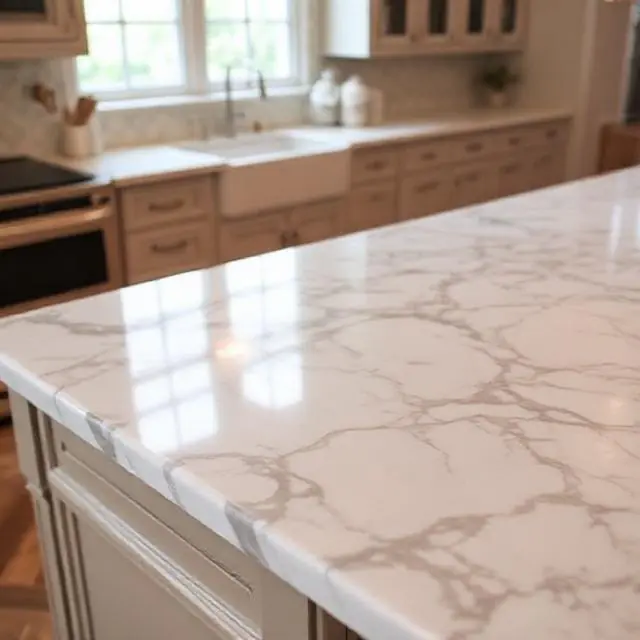
Phase 1: Diagnosis
Before applying a remedy, check the mark:
- The Touch Test: Touch the rings on the marble surface, if it feels rough or looks dull than the surrounding area then it is Etching. The marble surface is damaged.
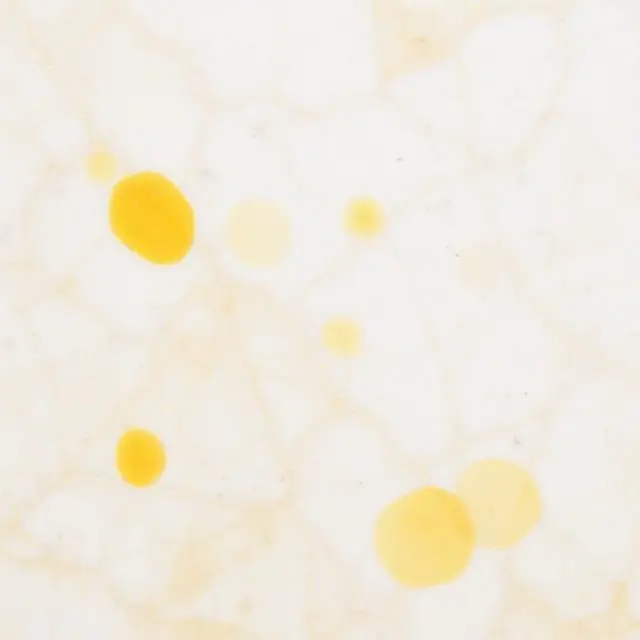
- The Color Test: If the spot is darker than the stone like yellow, brown or grey then it has absorbed into the pores. Then it is stained.
- If the spot is darker than the stone (brown, yellow, or grey), something has absorbed into the pores. This is a stain.
- The White Crust: If there is a raised white residue, it is a Hard Water Deposit.
Phase 2: Removing Deep Absorbed Stains (The Poultice Method)
For dark stains that have soaked deep into the stone, you need to draw them out using a poultice.
What You Need:
- Baking soda
- Water (for oil/grease stains) or Hydrogen Peroxide (for organic/food stains)
- Plastic wrap
- Masking tape
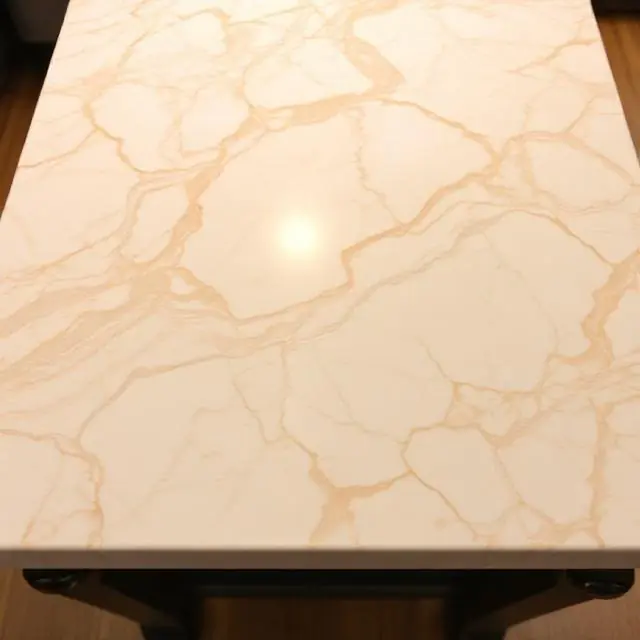
The Steps:
- Clean the area: Wipe with a pH-neutral stone cleaner.
- Mix the Poultice: Mix the baking soda with water until it forms a thick paste and similar to sour cream.
- Apply: Spread the paste over the stain. It should be about ¼ inch thick.
- Cover: Place plastic wrap over the paste and tape down the edges with masking tape to seal it airtight.
- Wait: Let it sit for 24 to 48 hours. The drying process pulls the stain out of the stone and into the paste.
- Remove: Peel off the plastic. If the paste is dry, scrape it off gently with a plastic spatula. Wipe clean. Repeat if necessary.
Phase 3: Removing “Water Rings” and Etch Marks
If the ring is a dull, rough spot caused by a glass of acidic liquid (wine, juice, or even tap water sitting too long), you need to polish the surface layer.
What You Need:
- Marble polishing powder
- A damp microfiber cloth
- Optional: #0000 Super Fine Steel Wool
The Steps:
- Apply Powder: Sprinkle a small amount of marble polishing powder onto the etch mark.
- Buff: Dampen your cloth (or steel wool pad) and buff the powder into the spot in a circular motion. Apply moderate pressure.
- Check: Wipe away the residue to see if the shine has matched the rest of the table.
- Rinse: Wipe thoroughly with water to remove all chemical residue.
Conclusion
Restoring an old marble tabletop requires patience rather than brute force. By distinguishing between a stain (which needs a poultice) and an etch mark (which needs polishing), you can bring the natural luster back to your stone. Once restored, remember to seal your marble annually and always use coasters to protect that beautiful antique surface.
Frequently Asked Questions (FAQs)
Q: Can I use vinegar or lemon juice to clean the stain?
A: NO. Never use vinegar, lemon, or ammonia on marble. These are acidic and will immediately eat away at the calcium carbonate, causing severe etching and dull white spots.
Q: Will Magic Erasers work on marble?
A: Use with extreme caution. Magic Erasers are abrasive. While they might remove a surface stain, they can also micro-scratch the polish, leaving a dull spot that you will have to re-polish later.
Q: How often should I seal my old marble table?
A: For a table that sees regular use, apply a penetrating stone sealer once every 6 to 12 months.