
Marble is a luxurious material used in almost all architectural designs, as it gives a sophisticated look. The stone is porous in nature and sensitive to acidic liquids and causes scars on the surface. There are traditional methods and new advanced methods to remove the scars and restore the stone. In this article, let us understand the laser restoration vs diamond grinding methods.
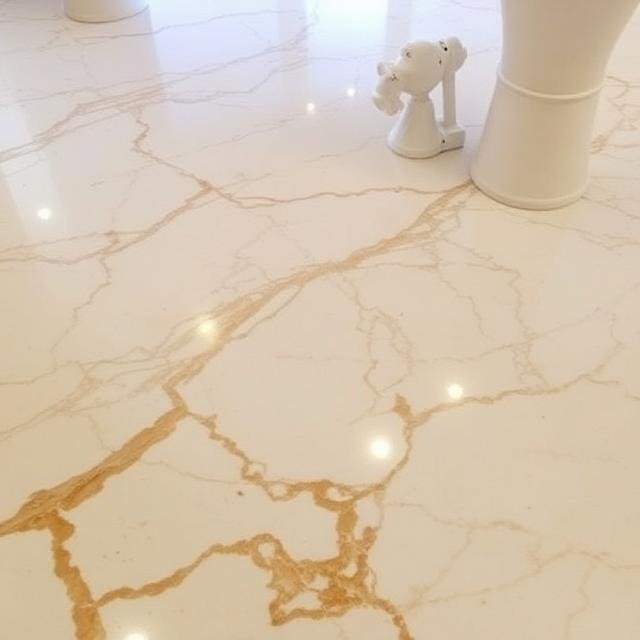
1. Diamond Grinding: The Heavyweight Champion
Diamond grinding is an advanced method used to restore the stone. It is a mechanical process for using rotating disks embedded with industrial diamonds to physically remove the thin layer of the stone. This helps to remove the outer layer of dirt easily. This helps to restore the shine of marble.
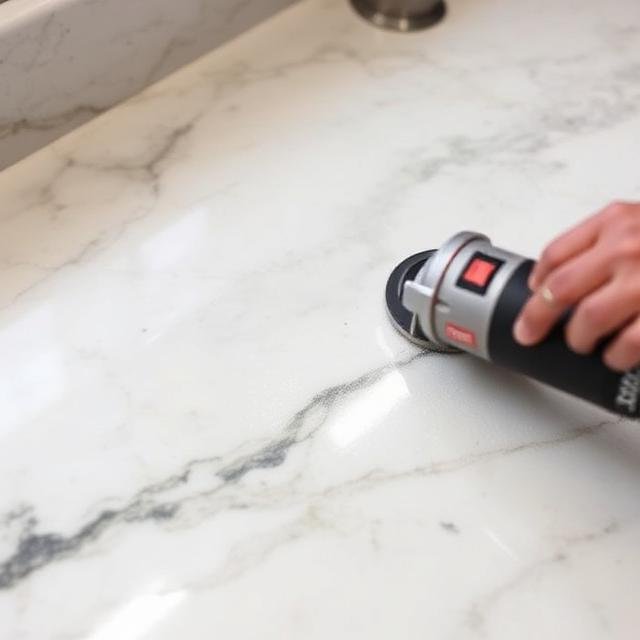
How does it work?
Only a professional can do the diamond grinding methods. As for the dirt, scratches are on the 50-grit to fine 3000-grit, and uneven surfaces and etches can be easily removed by using diamond grinding.
Best Suitable For:
It is suitable for high-traffic floors such as in the living room, kitchen area, and bedroom. It helps to level the uneven surface of marble.
Result
A perfect flat surface with a smooth, mirror-like finish looks like brand-new marble.
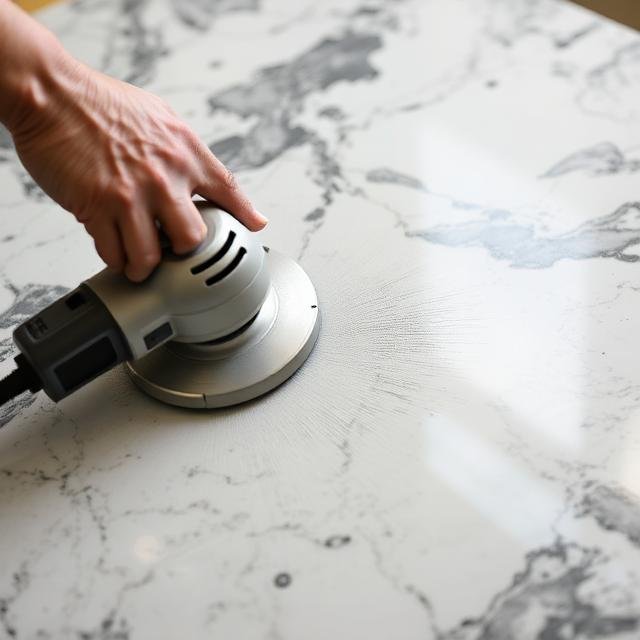
2. Laser Restoration: The Surgical Specialist
The laser cleaning method uses CO₂ lasers. It uses high-intensity light beams to remove the stains on the surface by vaporization methods without touching the stone surface.
How it works:
The laser beam is tuned to a certain frequency to absorb the dirt, old coatings, and stains, but it reflects the white calcium carbonate of the marble. This may cause the photophysical ejection of the surface.
Best Suitable For:
It is suitable for historic sculptures, intricate carvings, and delicate heritage sites where mechanical vibration could cause cracks.
- Result
A surgically clean surface that retains its original historical “patina” and structural integrity.
Comparison at a Glance
| Feature | Diamond Grinding | Laser Restoration |
| Action | Abrasive/Mechanical | Non-contact/Thermal |
| Best Use | Deep scratches & Floor leveling | Intricate carvings & Soot removal |
| Mess Level | High (Wet slurry or dust) | Low (Vaporized residue) |
| Precision | General | High (Millimeter accuracy) |
| Cost | Moderate | High (Specialized equipment) |
Conclusion
If your goal is a flawless, flat, and shiny floor, Diamond Grinding remains the gold standard. However, for delicate art pieces or historical preservation where “less is more,” Laser Restoration is the undisputed future.
FAQs
Q: Can a laser remove deep scratches in my marble floor?
A: No. Lasers are excellent for removing surface contaminants (dirt, paint, soot), but they do not “move” the stone.8 To remove a physical scratch, you need the abrasive power of diamond grinding.9
Q: Is diamond grinding dusty?
A: If done “dry,” yes. However, most modern professionals use “wet” grinding with a slurry vacuum or advanced HEPA-filtered dust recovery systems to keep your home clean.
Q: Which is safer for antique marble?
A: Laser restoration. Diamond grinding removes a layer of the history of the stone, whereas lasers can be tuned to remove only the “black crust” of pollution without touching the marble underneath.

