Italian marble, a symbol of timeless elegance, breathtaking sculptures, and excellent interior decor. It is renowned for its durability, purity, and intricate veining pattern. Due to the high competition in the market, it is hard to identify original Italian marble, and the high demand in the market has led to the rise of numerous fake copies that often have inferior quality material and lack aesthetic design. Are you looking to invest in Italian marble for your dream project? In this article, we will walk you through the top 5 tips to avoid fake copies and how to identify original Italian marble. This helps in falling prey to fraudulent imitations available in the market.
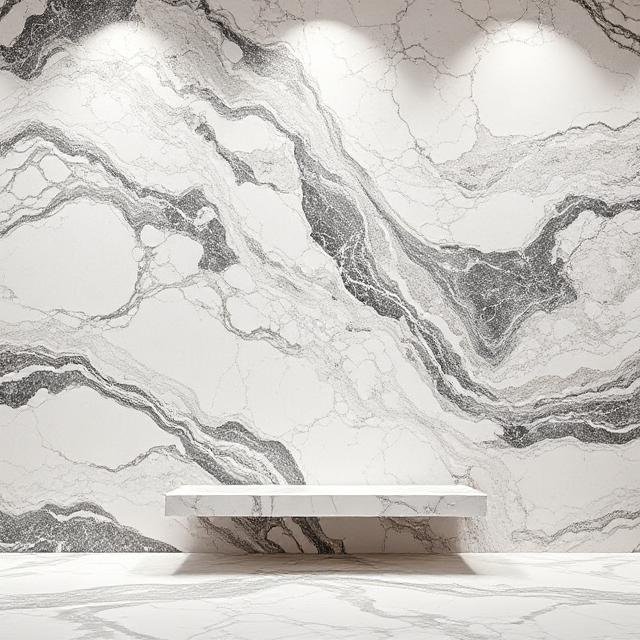
Understanding the Allure of Italian Marble:
Before understanding the different techniques for identifying the original Italian marble
Let us understand the reason why Italian marble is considered the most expensive material. Carrara, Calacatta, and Statuario Italian marble are quarried in Italy. They have unique features that set them apart from other materials. Here are a few for your understanding.
- Exceptional Purity: This Italian marble exhibits a white base with a unique veining pattern. A smooth finish with polish.
- Durability: If the Italian marble is regularly sealed, it is easy to maintain its quality, shine, and durability for a long period of time.
- Aesthetic Appeal: These natural beauties add elegance and luxury appeal to any space.
The demand for this top-notch Italian marble is due to these above-mentioned qualities. The price range varies with various factors like color, veining pattern, thickness, installation charges, and more.
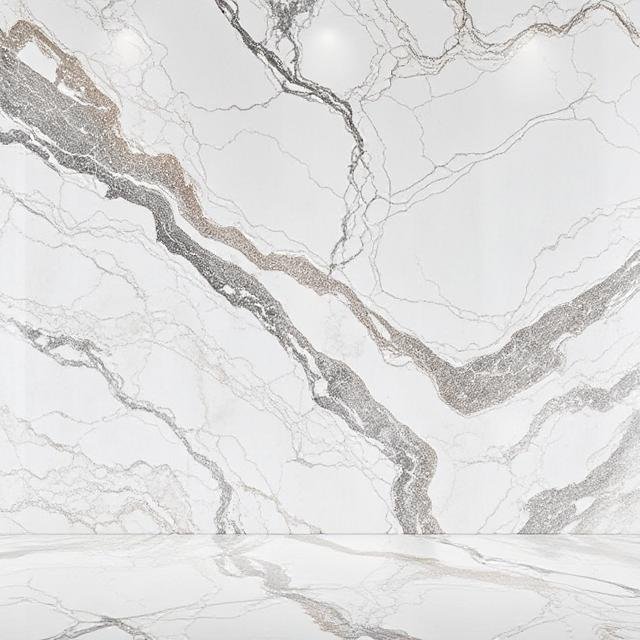
Top 5 Tips to Identify Original Italian Marble:
Let us walk you through the world of marble on how to pay close attention to a few factors to identify original Italian marble. Here are the top 5 tips to identify original Italian marble.
- Examine the Veining Pattern and Color
The authentic Italian marble has a natural and irregular veining pattern. These veins run through the entire stone, and they are irregular. Check for the subtle variations in color and intensity of the vein pattern. The high-end Italian marble, like Calacatta and Statuario marble, has more dramatic and distinct color combinations. The fake copies, the engineered stones, have a repetitive pattern, and they are artificially printed with the vein pattern. The color on the marble looks uniform and lacks natural nuances. The vein pattern looks perfect, and it is a red flag.
- Assess the Finish and Polish
Italian marble is known for its fine, smooth finish and high gloss that enhances the natural beauty. The surface feels smooth and cool to the touch. Imitation Italian marble lacks a refined finish. These engineered stones look more uniform and have less of a natural touch. A plastic-like sheen on the marble, as it could indicate a synthetic material.
- Inquire About the Origin of Italian Marble and Documentation
The reputed suppliers will have the certificate of the origin of Italian marble, and they should be able to provide the documentation, like the quarry information and certificates of authenticity. During purchase, ask for the information and certification. Be cautious of vague descriptions; if the supplier is unable to provide the details of the marble, it is a red flag.
- Consider the Price
Original Italian marble is a premium product and comes with a high price tag. These marbles are charged high due to various factors like the thickness, finish, vein pattern, type, and installation charges. The low prices of marbles are often indicative or low-quality marble or imitations of Italian marble.
- Conduct a Simple Scratch Test
The authenticity of marble can be analyzed through a simple scratch test. The natural marble is a relatively soft stone. A slight scratch with a sharp object might leave a mark on genuine marble. The engineered stones are often much harder, and they are scratch resistant. After the scratch test, if the surface shows no sign of scratching even with pressure, it could be a sign of imitation of Italian marble, and it is not a natural stone. However, extreme caution is required while performing these tests, and it is advised to seek permission from the suppliers before attempting the scratch test.
Conclusion:
Investing in authentic Italian marble is an investment in timeless beauty and enduring quality. By carefully examining the vending and finish, inquiring about the origin, considering the price, and cautiously conducting a scratch test, you can significantly improve your ability to identify genuine Italian marble and avoid deceptive imitations in Mysuru. Remember to always purchase from reputable dealers who are transparent about their products and willing to provide proof of origin. With due diligence, you can bring the elegance and prestige of real Italian marble into your home or project.
FAQs:
Q: Are all white marbles from Italy?
A: No. While Italy is famous for its white marbles like Carrara, other countries also produce white marble. Always verify the specific origin.
Q: Can engineered stones perfectly replicate the look of Italian marble?
A: Engineered stones can mimic the appearance of marble, but often lack the natural depth, variation, and unique veining patterns found in genuine marble. Closer inspection usually reveals the difference.
Q: Is it always bad if marble has uniform veining?
A: While some Italian marbles have more consistent veining than others, overly uniform or repetitive patterns are often indicative of a manufactured product.
Q: What if the supplier claims the marble is “Italian style”?
A: “Italian style” is a vague term and usually means the marble is designed to look like Italian marble but is not actually sourced from Italy. Always clarify the exact origin.
Q: Should I only buy directly from Italy to ensure authenticity?
A: While buying directly is an option, reputable suppliers in Mysuru should have access to authentic Italian marble and be able to provide the necessary documentation. Focus on the supplier’s credibility.