
For centuries, the standard luxury product used in architecture has been marble due to its durability and sophisticated look. Especially for kitchen countertops, a high-glossy, mirror-like finish on honed marble countertops gives an excellent look. The latest trend isn’t just a shine, but also the texture, lived-in authenticity, and subtlety.
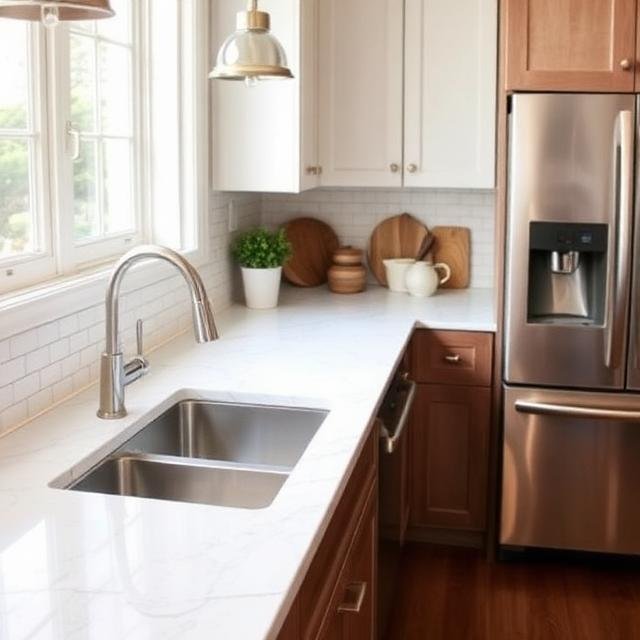
The honed marble has a velvety finish, becoming more of a choice for the architects, homeowners, and interior designers who are looking for the timeless beauty of natural stone without the formality of a glossy finish. Are you planning to renovate your kitchen countertops? Planning to add honed marble countertops? Here are a few reasons one must consider the “Matte Revolution.”
What is a honed marble?
The honed marble finish is ground down to a smooth, flat surface and has stopped at the final polishing stage. The polished marble reflects the light and colors, while the honed marble absorbs the light and gives a satin-like touch, offering a more organic and natural aesthetic.
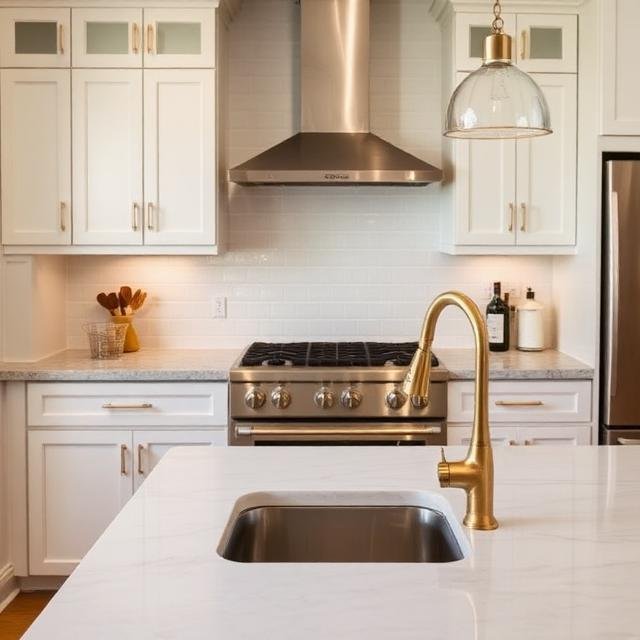
Why It Is Trending in 2025
- The “Old Money” Aesthetic: The interior design is moving away from the showroom-perfect look to the honed marble look. The charm of a rustic Italian farmhouse is trending.
- Tactile Luxury: In a digital world of smooth glass screens, we crave texture in our home interiors; a soft feel of honed stone adds a sensory layer to the kitchen that glossy surface lacks.
- Glare Reduction: Modern kitchens often feature large windows and LED lighting; the polished surface can create glare, while honed marble absorbs light and softens the entire room and makes it easy on the eyes.
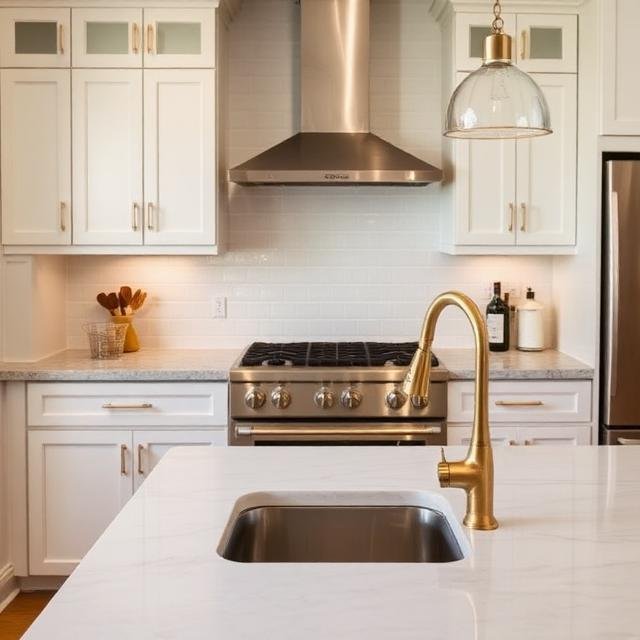
The Practical Trade-Off: Pros and Cons
Before you commit, it is vital to understand that honed marble behaves differently than polished marble.
| Feature | Honed Marble (Matte) | Polished Marble (Glossy) |
| Scratches | Pro: Hides scratches and etching (dull spots) much better. They blend into the matte texture. | Con: Scratches contrast sharply against the shiny surface. |
| Stains | Con: More porous. It absorbs liquids faster, making it more susceptible to wine, oil, or coffee stains. | Pro: The polishing process closes the pores slightly, offering better temporary resistance to spills. |
| Maintenance | Note: Requires more frequent sealing (every 6–12 months) but less buffing. | Note: Requires less sealing but regular polishing to maintain the shine. |
| Vibe | Relaxed, organic, modern, understated. | Formal, classic, high-glamour. |
Best Design Pairings for 2025
To truly nail the modern look with honed marble, pair it with these trending elements:
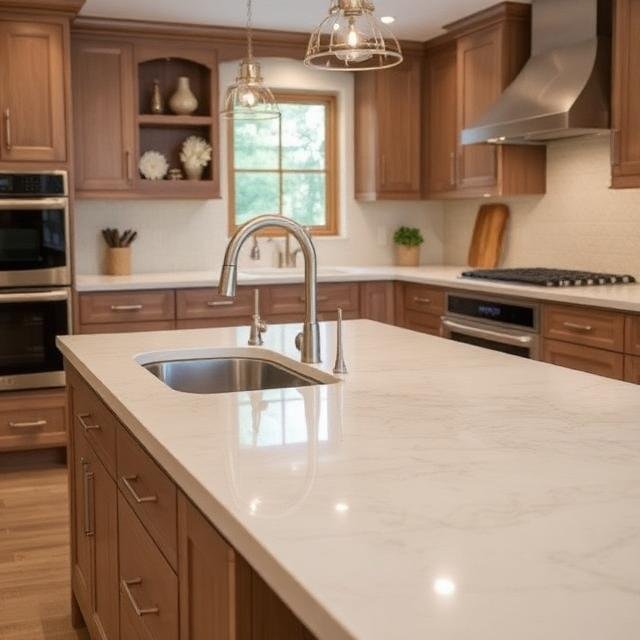
- Cabinet Colors: Skip the stark white and pair the honed Calacatta and Carrara marble with mushroom taupe, sage green, or charcoal cabinetry. This complements the earthy tones perfectly.
- Metals: Avoid chrome; the soft finish of tones looks excellent with brushed nickel or unlacquered brass.
- Wood Tones: Mix the cold stone with warm, medium-tone woods such as walnut for floating shelves.
Conclusion
Honed marble is not for the perfectionist who panics at the sight of a lemon drop. It is for the romantic who appreciates a surface that tells a story. It offers a sophisticated, modern softness that polished stone simply cannot match. If you are willing to commit to a good sealing routine, a honed marble countertop will reward you with a kitchen that feels effortlessly chic and timelessly welcoming.
Frequently Asked Questions (FAQs)
Q: Does honed marble stain more easily than polished?
A: Yes. Because the pores of the stone are more open, liquids can seep in faster. You must use a high-quality impregnating sealer and wipe up spills immediately—especially acidic ones like vinegar, tomato sauce, or citrus.
Q: Can I hone my existing polished marble countertops?
A: Yes, a professional stone restoration specialist can sand down polished marble in your home to achieve a honed finish. However, this is a dusty and skilled process that should not be DIY-ed.
Q: Is honed marble more expensive?
A: Generally, no. The cost of the slab is usually comparable. However, some fabricators might charge a small fee if they need to hone a polished slab for you, though many slabs now come pre-honed from the quarry due to high demand.
Q: How do I clean honed marble daily?
A: Use a pH-neutral stone cleaner or simple warm water and a microfiber cloth. Avoid generic household cleaners, bleach, or anything acidic (like vinegar mixtures), as they will eat away at the stone’s surface.

