
Onyx marble has a unique, eye-catching natural vein pattern with beautiful colors. It is one of the most sought-after luxury materials in Indian homes and is best suited for commercial and residential designs. The elegance of Onyx marble transforms the space, but before jumping into your dream projects, let us understand the cost factors that highly influence the final price of Onyx.
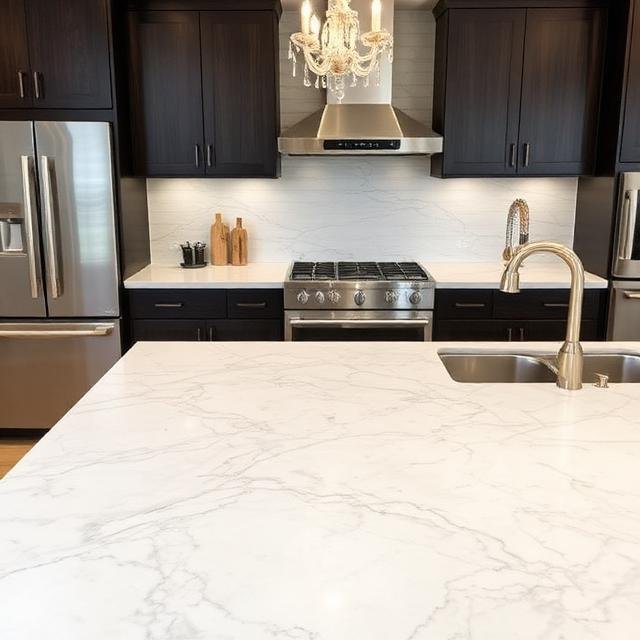
Unveiling the Cost Factors
Several key elements contribute to the wide variation in Onyx marble prices in India:
- Origin: It is likely that mostly the origin impacts the price of onyx marble. Here are the common sources included:
- India: Indian-quarried onyx is generally more affordable than imported varieties. While variations exist, it offers a budget-friendly option without sacrificing the distinctive Onyx look.
- Pakistan: It is considered the best premium-quality onyx; it is known for its unique collection, and it ranges in the mid-range price bracket.
- Iran: Similar to Pakistan, Iranian Onyx is recognized for its aesthetics but might be slightly pricier due to import dynamics.
- Turkey, Italy, and Mexico: These countries produce high-end onyx varieties, known for their rare colors and superior craftsmanship. These naturally carry the highest price tags.
- Color and Rarity: Every specific color influences the price tag. While classic white and cream onyx marble are common, the exotic shades such as green, pink, deep amber, and blue are commonly considered premium due to their scarcity.
- Pattern and Veining: The intricate natural pattern is a key of attraction. The onyx marble has more dramatic, well-defined, and visually appealing vein patterns; these are expensive compared to others.
- Finish:
- Polished: The classic mirror-like finish that accentuates the stone’s translucency and brilliance. The most popular finish is typically the most expensive.
- Honed: A smooth, matte finish that provides a more subdued look, ideal for those who prefer a less reflective surface. Honed finishes are often slightly less expensive than polished.
- Tumbled: A rougher, distressed finish that gives the stone a rustic appearance. This finish is less common and can be found in more specialized applications.
- Size and Thickness: The large onyx marble slabs are more expensive than small tiles. The thickness also plays a vital role, with the standard thickness of 18 mm slabs being cheaper than thicker custom options.
- Supplier and Location: The location of suppliers and their reputation can influence the price of onyx. Famous and renowned suppliers usually charge more due to their direct sourcing relationship but might offer more competitive prices.
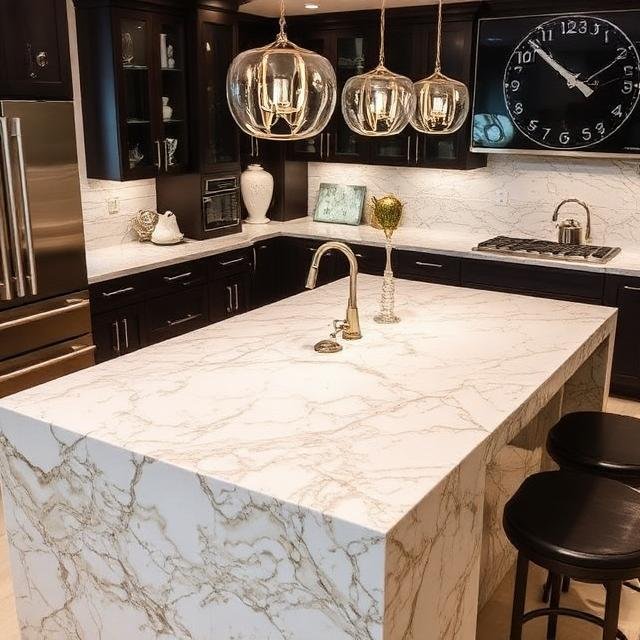
Estimating the Cost: A General Guide
It’s difficult to provide exact, real-time prices, as they fluctuate based on market demands, supplier variations, and individual stone characteristics. However, here’s a general guide for estimated Onyx marble prices in India per square foot:
- Indian Onyx: Rs. 150 – Rs. 400
- Imported Onyx (Pakistan/Iran): Rs. 400 – Rs. 800
- Premium Imported Onyx (Turkey/Italy/Mexico): Rs. 800 – Rs. 1,500+
It’s crucial to remember that these are just estimates. For accurate pricing, always request a quote from multiple local suppliers in your area.
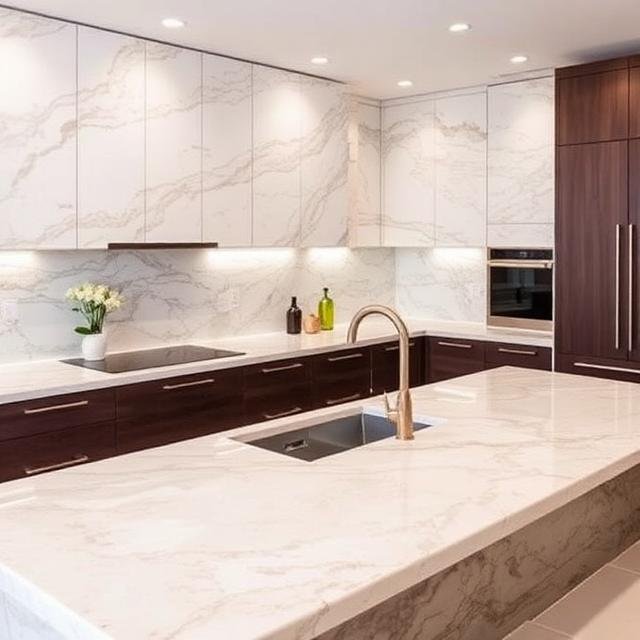
Beyond the Price Tag: Key Considerations
While cost is important, it shouldn’t be the only factor in your decision. Consider these aspects:
- Project Scope: It can be installed as kitchen countertops, bathroom vanities, featured walls, and large floor areas. The quantity of marble is required as per the installation area, and that affects the total cost.
- Fabrication and Installation: The cost of cutting, shaping, polishing, and installing marble. It requires expertise, and it is advisable to hire professionals.
- Maintenance: Onyx marble is delicate compared to quartz and granite. It is prone to etching from acidic liquids and scratches; hence, it is required to implement a proper cleaning routine.
- Sealing: Onyx is a porous material, and it requires regular sealing to protect from stains and etching. The sealing process plays a vital role for the maintenance of onyx life.
- Visual Appeal: Ultimately, select onyx marble that truly complements your design and plan. Take time to understand the pattern, color, and thickness of slabs rather than relying solely on photos.
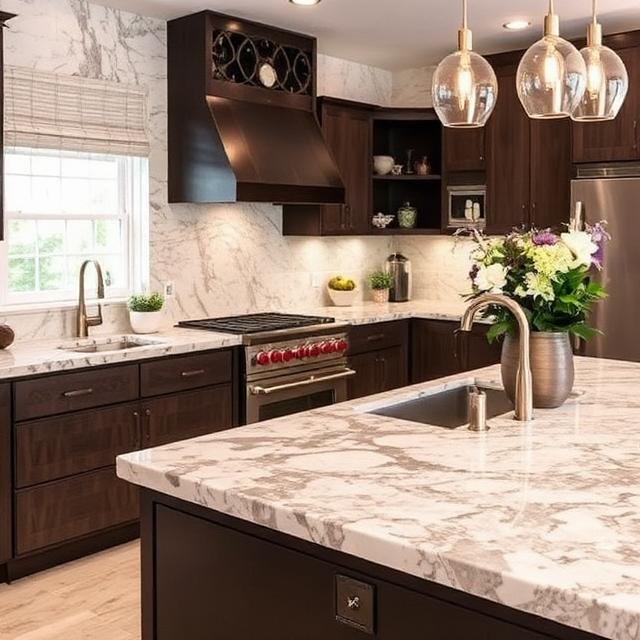
Conclusion
Onyx marble is a stunning choice that adds a touch of sophistication and luxury to any space. While it does come with a premium price tag, careful consideration of the factors influencing cost can help you find a suitable option within your budget. By understanding the nuances of Origin, color, pattern, finish, and other variables, you can make an informed decision and invest in a beautiful and durable natural stone that enhances your home or project.
FAQs (Frequently Asked Questions)
1. Is Onyx marble suitable for high-traffic areas?
No, Onyx is not ideal for high-traffic areas due to its delicate nature. It is prone to scratching and etching, and heavy foot traffic can easily damage its surface.
2. Can I use Onyx marble for outdoor applications?
It is generally not recommended to use Onyx marble outdoors, as it can be easily damaged by weather elements like rain, sun, and temperature fluctuations.
3. How do I maintain Onyx marble?
Clean Onyx with a pH-neutral cleaner specifically designed for natural stone. Avoid abrasive cleaners, acidic substances, and harsh chemicals. Regularly seal the stone to protect it from stains.
4. Is there any way to make Onyx marble less expensive?
You can opt for Indian-quarried Onyx or smaller tiles rather than large slabs. Consider using Onyx as an accent feature rather than covering a large area.
5. How do I know if the Onyx marble I am buying is genuine?
Buy from a reputable supplier with a proven track record. Genuine Onyx is often characterized by its distinctive translucent quality. Request a sample to verify the stone’s appearance and feel.

