
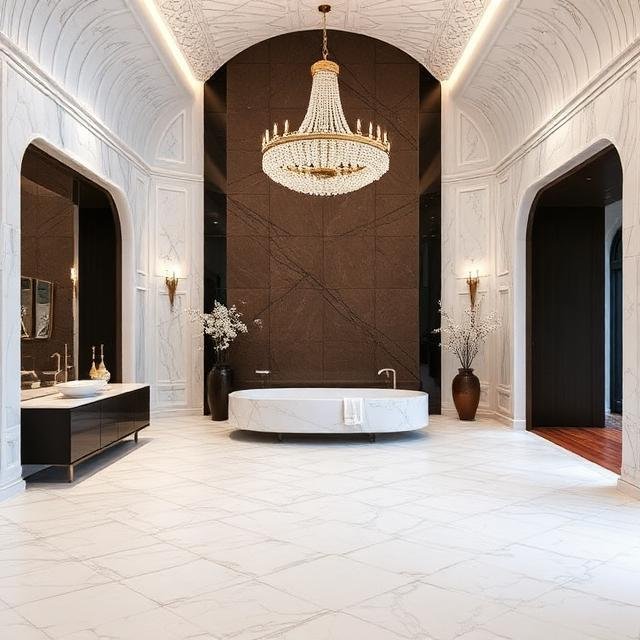
Bianco Lasa marble is often referred to as the White Gold of the Alps. It is one of the most prestigious stones in the world. It is quarried in the Val Venosta region of the Italian Alps. This marble is celebrated for its remarkable purity, luminous aesthetic, and durability. It is an architect planning a high-end commercial lobby seeking a quiet luxury bathroom and offers a unique blend of strength and ethereal beauty.
Why Choose Bianco Lasa Marble?
Bianco Lasa, apart from white marble like Carrara or Calacatta, has a fine crystalline structure. It has a milky appearance; Bianco Lasa has a sugary translucent quality that allows light to penetrate the surface and reflect back.
Distinctive Characteristics
- Purity: It can boast a whiteness value of up to 97%, making it one of the cleanest white marbles.
- Hardness: It is technically hard and more frost-resistant than many other marbles, thanks to its high calcium carbonate content (up to 98.6%).
- Veining Variations: * Bianco Lasa Covelano Vena Oro: Features soft, warm gold or beige veins.
- Bianco Lasa Macchia Vecchia: Showcases bolder, smoky grey, or “black” linear streaks.
- Bianco Lasa Classico: A more uniform pristine white with minimal movement.
2026 Design Trends: The Shift to “Stone Drenching”
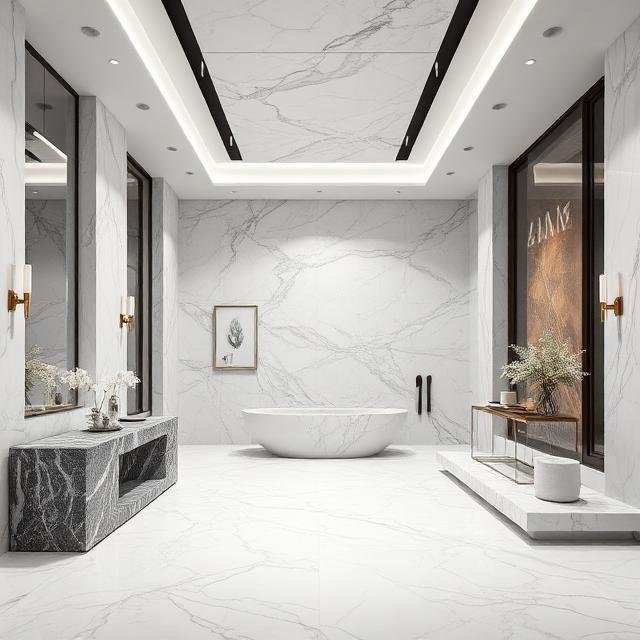
In 2026, the interior design world is moving toward monolithic aesthetics. “Stone drenching”—the practice of using the same material for floors, walls, and even furniture—is a major trend. Bianco Lasa is the ideal candidate for this because its subtle veining doesn’t overwhelm a space, allowing it to feel expansive and tranquil.
Best Applications
- Spa-Inspired Bathrooms: The large-format Bianco Lasa slabs are suitable for shower enclosures to create a seamless, grout-free sanctuary.
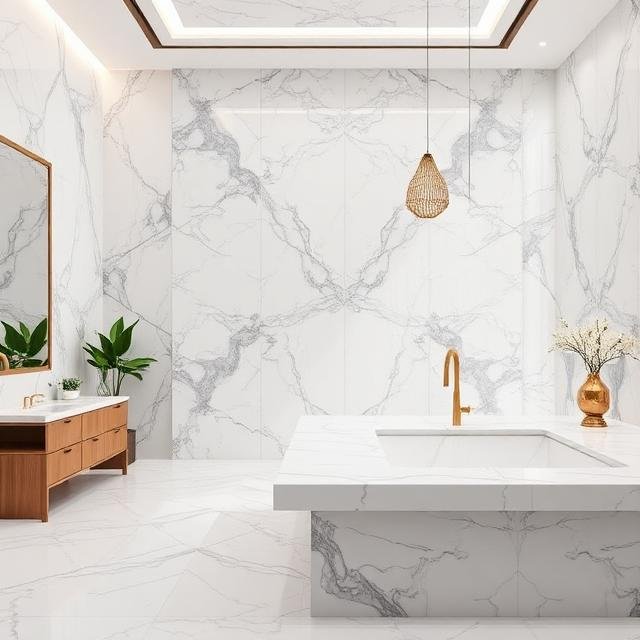
- Statement Kitchen Islands: A polished Bianco Lasa countertop serves as a bright, sophisticated look that can be paired with warm wood or sage green cabinetry.
- Exterior Cladding: Due to its resistance to frost and chlorine, it is one of the few white marbles that is suitable for luxury facades and pool surrounds.
Maintenance and Care Guide
While Bianco Lasa is exceptionally durable, it is still a natural stone that requires specific care:
- Seal Immediately: Apply a high-quality impregnating sealer upon installation and reapply every 12 months.
- pH-Neutral Cleaning: Only use cleaners specifically formulated for stone. Avoid vinegar, lemon juice, or abrasive “scrub” cleaners.
- Blot, Don’t Wipe: If you spill wine or oil, blot the area immediately with a paper towel to prevent the liquid from penetrating the pores.
Conclusion
Bianco Lasa marble is a timeless investment that bridges the gap between classic Roman architecture and 21st-century minimalism. Its ability to reflect light and withstand the elements makes it a “holy grail” for designers seeking both form and function.
Frequently Asked Questions (FAQs)
How is Bianco Lasa different from White Thassos?
While both are very white, White Thassos is a Greek marble known for a pure “snow” look with almost zero veining. Bianco Lasa is an Italian alpine marble that typically features elegant linear veining (grey or gold) and a more translucent, crystalline texture.
Can Bianco Lasa be used for kitchen countertops?
Yes, but it is a “hard marble.” It is more resistant to scratches than Carrara, but you should still use cutting boards and trivets to avoid etching from acids or thermal shock.
Why is Bianco Lasa so expensive?
The quarrying process is incredibly difficult. The “White Water” quarry is located high in the Italian Alps and is often inaccessible during winter months, making the supply limited and exclusive.

