
Ambaji White Marble, sourced from the Banaskantha district of Gujarat. It is one of the most famous marbles in India. It is awarded the Geographical Indication (GI) tag, as this marble is celebrated for its fabulous whiteness, ranging from 95% to 98%, and it is used in historic monuments like the Dilwara Jain Temple and the New Parliament House.
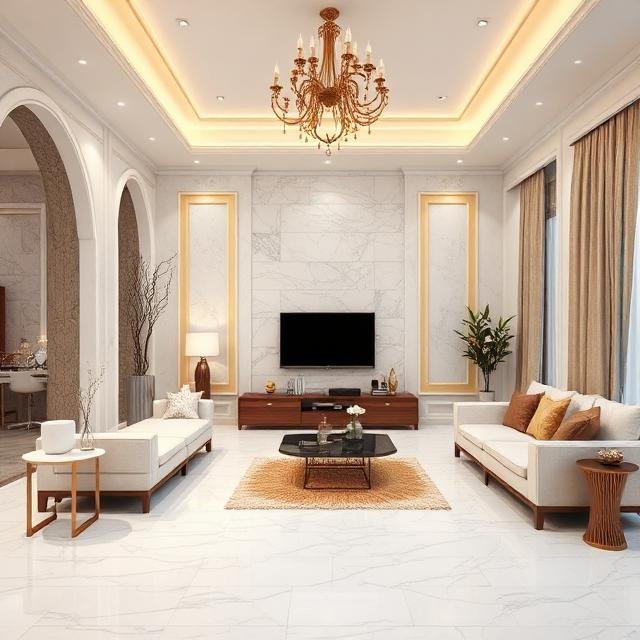
Amabi White marble has a fine grain, smooth milky texture, and high translucence, often accented by subtle light grey or black veins. In this article let us explore the characteristics, applications, and price.
Key Characteristics & Features
- Superior Whiteness: It offers a clean look that brightens the interiors.
- High Durability: It is a metamorphic rock with high compressive strength and is suitable for high-traffic areas and resistant to stains and etching.
- Natural Cooling: It remains cool underfoot, even in direct sunlight, making it a favorite for tropical climates.
Applications in Modern Design
Ambaji White Marble is a versatile choice for both residential and commercial projects:
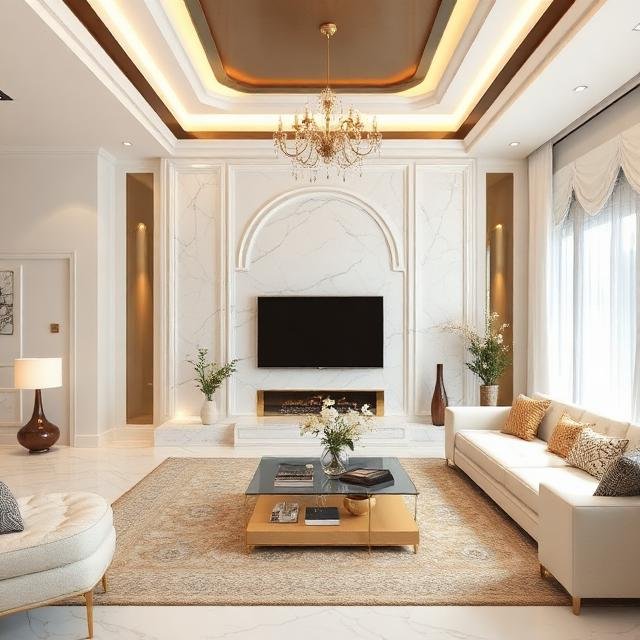
- Flooring: Its high-gloss polish and durability make it a top choice for luxury living rooms and lobbies.
- Temples & Puja Rooms: Its purity and spiritual significance make it the go-to material for sacred spaces.
- Kitchen & Bathrooms: It can be used for countertops and wall cladding due to its heat and water resistance.
- Sculptures: Its fine-grained structure allows for intricate carving and monumental art.
Price and Quality Comparison
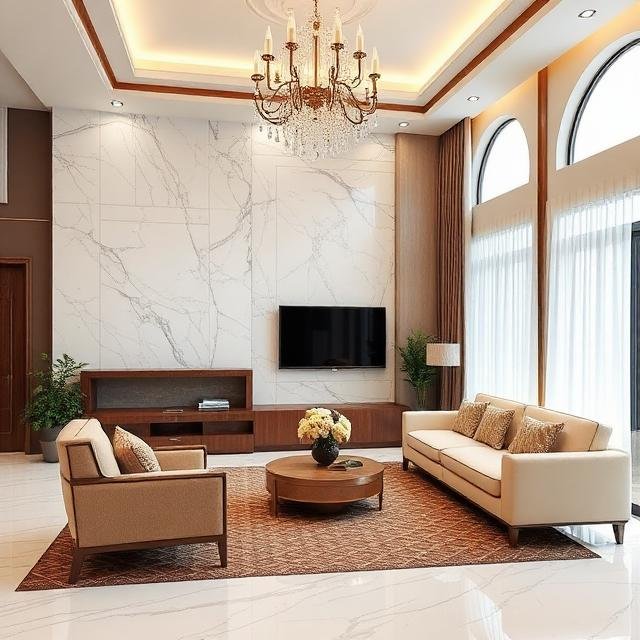
While Makrana Marble is often more expensive due to its heritage, Ambaji White offers a mid-to-high-range alternative that balances luxury with affordability. Prices typically range from ₹80 to ₹250 per square foot, depending on the thickness and the purity of the slab.
Conclusion
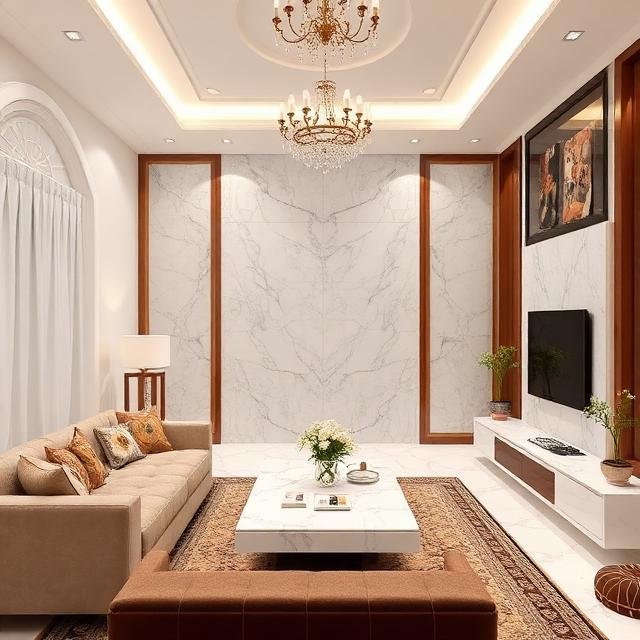
Ambaji White Marble is more than just a building material; it is a legacy of Indian craftsmanship. Whether you are looking to create a serene sanctuary in your home or a grand commercial space, its timeless appeal and newfound GI status ensure it remains a valuable investment for generations.
FAQs
1. Is Ambaji White Marble better than Makrana?
Both are excellent. Makrana is famous for its historical use (Taj Mahal) and long life, while Ambaji is preferred for its superior whiteness and uniform fine grain at a more accessible price point.
2. Does it require chemical treatment?
No, high-quality Ambaji marble is naturally processed and does not require artificial chemical coatings to maintain its shine.
3. How do I maintain its shine?
Regular cleaning with a pH-neutral cleaner and periodic sealing (once every 1-2 years) will keep the marble looking new for decades.

