
When planning for a luxurious bathroom renovation, it is necessary to select the correct material. The imported natural stones like Italian marble often dominate the luxurious home. Indian marble is an excellent choice and highly suitable for bathroom walls and floors.

Unlike the imported marble, they are soft, and the best alternative for imported marble is Indian marble, as it is much denser, less porous, and highly durable in nature. It is highly resistant to humidity and moisture of wet bathroom environments. However, using a natural stone in a bathroom requires the correct type of marble with a suitable finish, and proper installation is crucial.

In this comprehensive guide, let us break down how Indian marble can perform on bathroom surfaces and the best varieties to use and installation practices.
Performance Matrix: Indian Marble on Bathroom Walls vs. Floors
| Application Area | Suitability | Recommended Finish | Key Considerations |
| Bathroom Walls | Excellent | Polished or Honed | Allows for striking, seamless visual continuity and is easy to wipe down. Low risk of physical wear. |
| Bathroom Floors | Good (With Care) | Honed, Brushed, or Matte | High-gloss polished marble is slippery when wet. Textured finishes are mandatory to ensure slip resistance. |
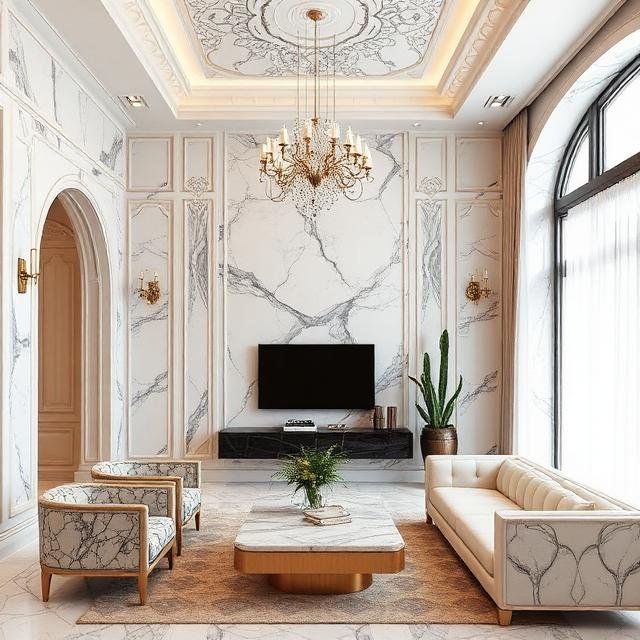
The Advantages of Using Indian Marble in Bathrooms
1. High Density and Durability
Indian marble is harder than other imported marbles. It is highly dense and makes it resistant to deep cracks, chips, and etches and suitable for high-traffic areas.
2. Lower Porosity
Usually, the natural stones are porous in nature; Indian marble exhibits a tighter crystalline structure. It means they can absorb less water, minimizing the risk of moisture retention, deep stains, and degradation over time.
3. Resistance to Climatic Humidity
It is sourced locally from Rajasthan and Gujarat. Indian marble can naturally withstand high humidity and temperature changes without losing its integrity.
4. Cost-Effective Luxury
The premium-quality Indian marble can upscale regal aesthetics at a fraction of the cost of imported marbles. Indian marble ranges from ₹70 to ₹250 per square foot; when it is compared to any imported marble, it can easily surpass ₹2000 to ₹5000 per square foot.

Best Varieties of Indian Marble for Bathrooms
- Makrana White Marble: The gold standard of Indian marble, it is exceptionally high in calcium content, and it is nonporous in nature and highly resistant to water absorption.
- Banswara White Marble: It has a clean white background with soft purple or gray vein patterns. It offers an aesthetic very similar to any imported Carrara marble.
- Ambaji White Marble: An ultra-dense white marble quarried in Gujarat, it is perfect for any wet areas, and it is flawless and compact.
- Udaipur Green Marble: An exceptionally hard, serpentinous stone. It has a dark green tone and hides watermarks beautifully. It makes it an excellent choice for shower and wall cladding.
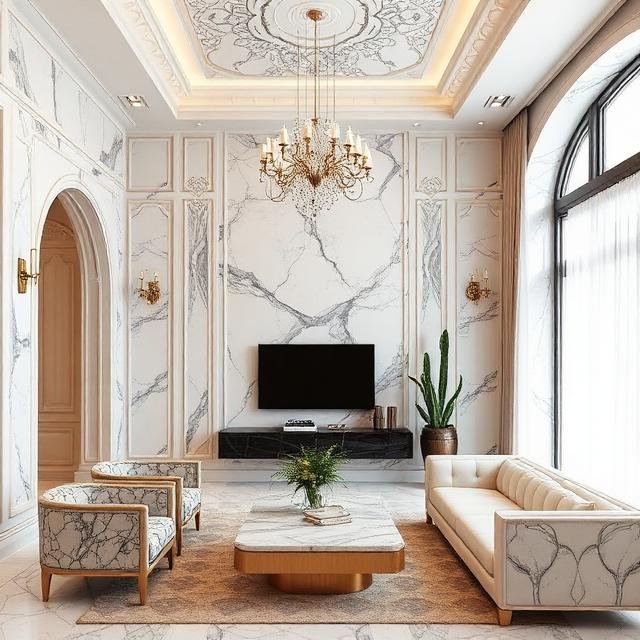
Critical Cons and Mitigation Strategies
- Slippiness when Wet: The highly glossy, polished marble can be hazardous for bathroom floors when it is exposed to soap or water.
- Mitigation: Use honed (matte), tumbled, or leather-brushed finishes on the flooring to provide necessary underfoot traction. It saves high-gloss finishes strictly for wall cladding.
- Risk of Acidic Damage (Etching): Natural marble reacts chemically with acidic liquids. The harsh bathroom cleaners, or any acidic skincare products, can etch the surface and leave dull spots.
- Mitigation: The stone exclusively requires pH-neutral stone cleaners. Avoid using any other acidic liquids.
- Iron Oxidation (Rusting): The marble slabs contain traces of natural iron. The continuous exposure to moisture can cause oxidation and create reddish or yellowish rust stains.
Essential Installation and Maintenance Protocol
To ensure your Indian marble bathroom remains pristine for decades, strict adherence to a professional installation protocol is required:
- Waterproofing Substrate: Apply a high-grade continuous waterproofing membrane to the bathroom floors and use it in wall cladding.
- 95% Mortar Coverage: Ensure the back side of each marble tile or slab achieves a minimum of 95% contact coverage with adhesive. Avoid beneath the stone, leading to dark, damp patches and efflorescence.
- Apply Impregnating Sealers: Treat the installed stone with a high-quality, penetrating (impregnating) sealer. This enters the microscopic pores of the stone to repel water and oils from within while allowing the stone to breathe.
- Re-Sealing Schedule: Re-apply the protective sealer every 12 to 18 months in high-moisture zones like the shower stall to maintain water resistance.

Conclusion
Indian marble is the best and highly durable in nature and budget-friendly for bathroom walls and floors. By opting for slip-resistant textures on floors, selecting water-resilient varieties like Ambaji, and ensuring professional sealing, you can enjoy a timeless look that easily withstands everyday moisture.
Frequently Asked Questions (FAQs)
Is Indian marble better than Italian marble for bathroom floors?
Yes, Indian marble is generally better suited for bathroom floors than Italian marble. Indian marble is significantly harder and less porous, making it more resilient to water, scratches, and daily wear. Italian marble is softer, more absorbent, and more prone to staining or yellowing in high-moisture environments.
Does Indian marble turn yellow in the bathroom?
Indian marble is highly stable, but yellowing can occur if the slab contains natural iron minerals that oxidize when exposed to water. It can also yellow if poor-quality, non-breathable adhesives are used during installation. Using a premium white adhesive and applying an impregnating sealer avoids this issue.
How do you make Indian marble non-slippery in the bathroom?
To prevent slips, avoid high-gloss polished finishes on the floor. Instead, request a honed (matte), brushed, or river-washed finish from your supplier. You can also use smaller marble tiles or mosaics, as the increased density of grout lines naturally provides excellent anti-slip grip.
Can I use domestic bathroom cleaners on Indian marble?
No. Standard domestic bathroom cleaners often contain hydrochloric acid, bleach, or vinegar, which permanently dull, etch, and damage natural marble. Use only pH-neutral, specialized natural stone soaps or cleaners.

