
Italian marble is the symbol of refinement, timeless beauty, and architectural beauty since the time of antiquity in Roman times. It is mined in various regions, the most famous stones being Verona, Calacatta, Carrara, and Tuscany marbles. They possess deep crystalline structures and dramatic vein patterns with wide variations.
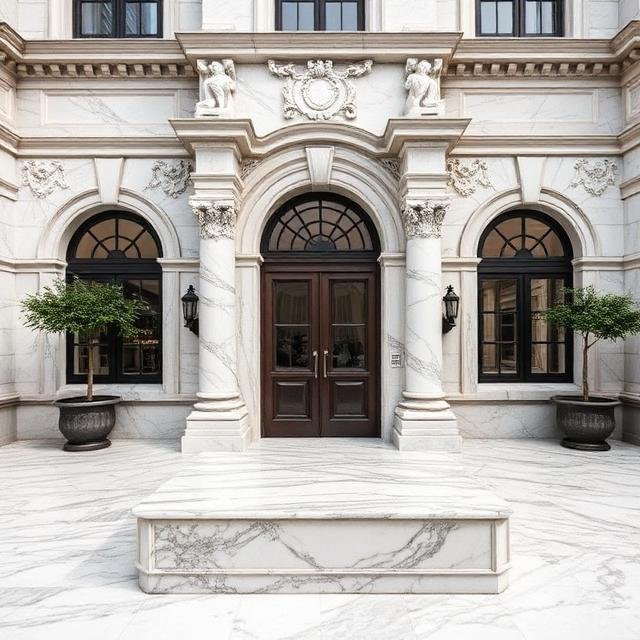
The homeowners, real estate developers, and interior designers have a prestigious flooring project, and to understand the cost structure of Italian marble is important for budgeting and material selection.
The overall cost of Italian marble flooring varies globally due to its grading, slab thickness, logistics, and rarity. In this comprehensive guide, we have broken down the definitive per square foot investment, factors that influence the cost, hidden charges, and frequently asked questions.
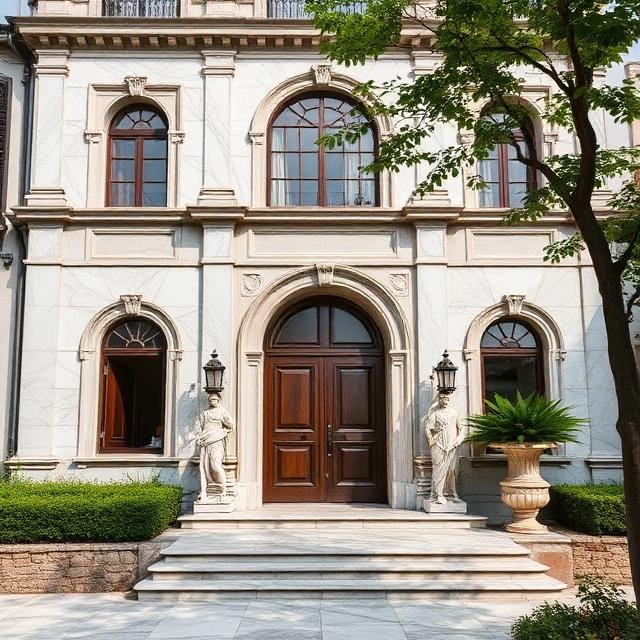
Average Cost of Italian Marble per Square Foot
Italian marble is imported globally from the Italian region; the cost of shipping logistics, local supply chains, and import duties are included. In the table below, we present the typical market price per square foot for both the raw uninstalled slab and the fully polished and finished installation.
| Marble Variety & Grade | Raw Material Cost (per Sq. Ft.) | Total Installed Cost (per Sq. Ft.) | Visual Characteristics & Appeal |
| Carrara (Standard) | ₹350 – ₹600 | ₹600 – ₹900 | Soft white-to-grey background, subtle feathery grey veins. |
| Botticino & Perlato | ₹400 – ₹750 | ₹650 – ₹1,100 | Warm beige and cream tones, minimal light-colored texturing. |
| Statuario (Premium) | ₹1,200 – ₹3,500+ | ₹1,600 – ₹4,200+ | Pure, bright milk-white background with bold, dramatic dark grey veins. |
| Calacatta Gold | ₹1,500 – ₹4,000+ | ₹2,000 – ₹5,000+ | Highly exclusive white backdrop striking a mix of grey and rich gold veining. |
| Onyx (Italian Variations) | ₹1,800 – ₹5,000+ | ₹2,300 – ₹6,000+ | Translucent, multi-layered pastel colors, frequently backlit for drama. |
Note on Price Variations: The prices mentioned above showcase the mid- to high-range collections that suit both commercial and residential projects. The book-matched slabs, architectural cuts, and flawless mega slabs are higher-boutique premium stones.
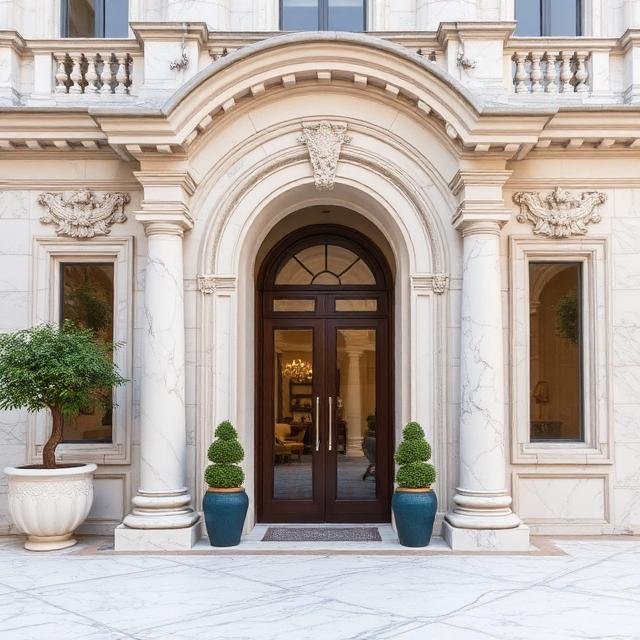
Primary Cost Drivers of Italian Marble
During the selection process of marble at the showroom, you will find two slabs of the same variety with different price tags. The total cost per sq ft is influenced by various factors:
- Variety and Geological Rarity: Carrara marble is abundantly available; hence, the price is low. The slab cut from limited block and vein patterns like Statuario and Calacatta marble is considered a premium stone; it has expensive price tags due to simple supply and demand metrics in the luxury design space.
- Whiteness Index & Veining Consistency: The white Italian marble is the purest marble with a bright background shade; this makes the stone more expensive. The well-balanced vein pattern, distinctiveness, and structure that can be aligned seamlessly across consecutive slabs increase the square foot price exponentially.
- Slab Thickness & Dimensional Cut: The standard architectural slabs are cut to a thickness of 18 mm to 20 mm. The thicker luxury slabs give more durability, good absorption, and allow for repolishing multiple times, but logistics and transportation costs will be more.
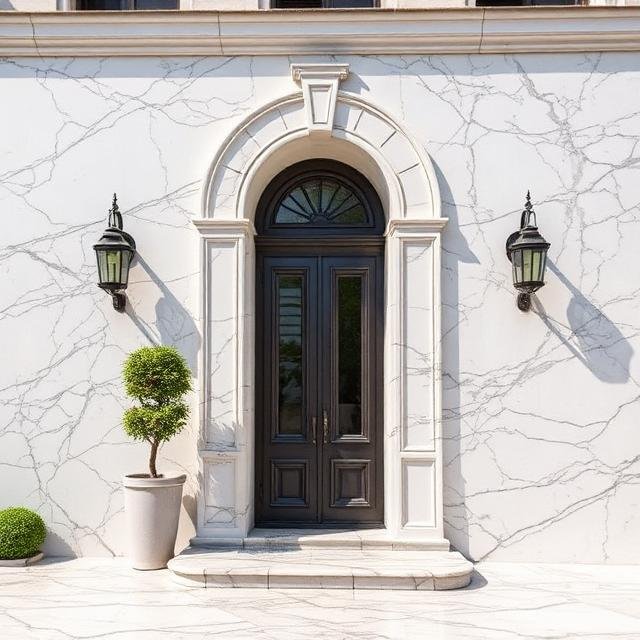
Hidden Installation & Finishing Costs
During the purchase of a marble slab, check out the hidden installation and finishing costs to achieve a flawless, mirror-like finish. Expect the following supplement charges:
- Wastage Allowance (15% to 20%): The natural marble contains natural fault lines and requires custom edge truing. Always purchase extra material to avoid shortage, as there will be cutting material wastage.
- Base Laying Materials: The premium white adhesive mortars and the compound are required grey cement that can easily bleed into the translucent Italian marble.
- Diamond Mirror Polishing: Once the installation is complete, the floor must undergo multi-stage diamond grit, epoxy resin filling of micro pores and final chemical crystallization polishing. It adds the approximate cost (₹150 to ₹350) per square foot.
Conclusion
Investing in the premium-quality Italian marble flooring is a financial commitment that provides a long-term investment and visual prestige. It proves a boost to the property’s resale value. The standard varieties like Botticino can be integrated into luxurious projects at approximately ₹5000 to ₹7000 per square foot installation. By working with seasonal stones, artisans, and post-installation diamond polishing are mandatory. Always keep a 15% wastage margin during the installation process. You can successfully implement this beautiful natural stone into your architectural masterpiece.
Frequently Asked Questions (FAQs)
Q1: Why is Italian marble more expensive than Indian or local marble?
Italian marble is expensive, and it has exceptional luster, a high content of calcium, and less porosity with beautiful, elegant vein patterns. It is quarried in the Italian region, and the freight charges, import traffic, handling fees, and break-resistant packaging add heavy charges.
Q2: Can Italian marble be used in high-traffic commercial spaces or kitchens?
Yes, it requires careful consideration. Italian marble is a calcitic stone, and it is highly susceptible to etching and scratching from any acidic spillage. Therefore, it is recommended to be sealed with professional sealants.
Q3: How often does Italian marble flooring require repolishing?
In the residential settings, the Italian marble floor will retain its highly glossy finish for years. Once the surface has dullness, or micro-scratches, it can easily be ground down, and it requires repolishing immediately to make the stone look brand new again.

