
Marble is just used for flooring; it has a wide range of usage due to its statement of luxury. If you have noticed the grout lines in an old marble bathroom turning yellowish, that is due to the white cement. “Epoxy Grout”
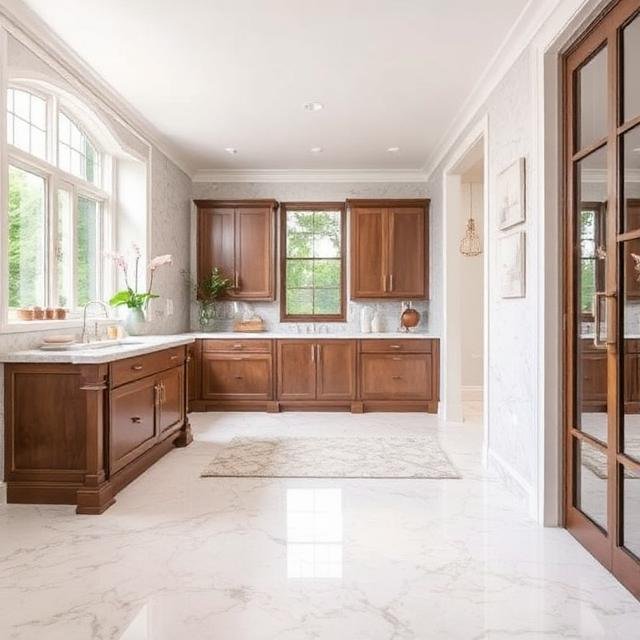
In 2026, the industry standard has shifted to epoxy grout for high-end marble stones. In this article we will walk through the reasons why epoxy beats white cement for marble with a better comparison.
Why Epoxy Beats White Cement for Marble
1. Stain-Proof Technology
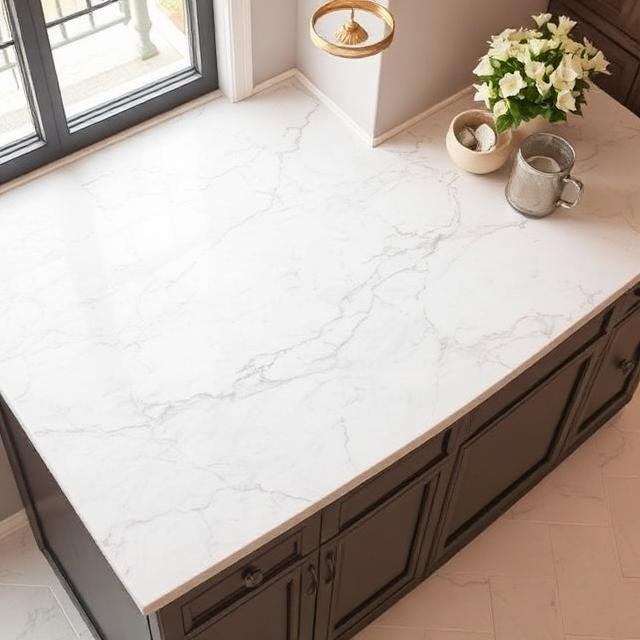
Marble is porous in nature, and so is the white cement, while the white cement grout acts like a sponge and absorbs all the dirt and makes the surface yellow with time.
- The Epoxy Difference: Epoxy grout is resin-based, and it is virtually non-porous. Spills sit on top of the joint rather than soaking in. It ensures white marble stays white.
2. No More Cracking or Shrinking
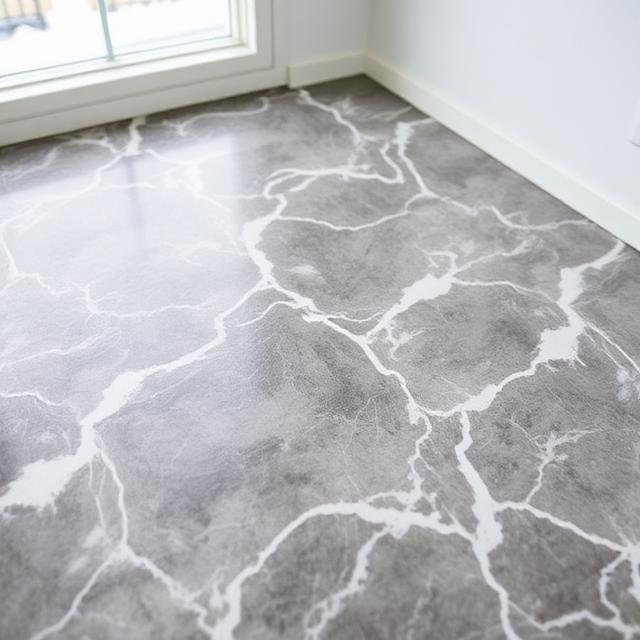
The white cement is brittle, and the building’s temperature fluctuates due to the drastic weather conditions. The cement grout develops hairline cracks on the marble.
- The Epoxy Difference: Epoxy grout is slightly flexible and incredibly strong. Once it cures, it forms a chemical bond with the marble that won’t shrink or pull away over time.
3. Waterproofing for Wet Areas
In bathrooms and kitchens, the water seepage through the cement grout can lead to subfloor rot.
- The Epoxy Difference: The epoxy is 100% waterproof. It creates a seamless, hygienic barrier that prevents moisture from ever reaching the back of marble slabs.
4. Color Perfection
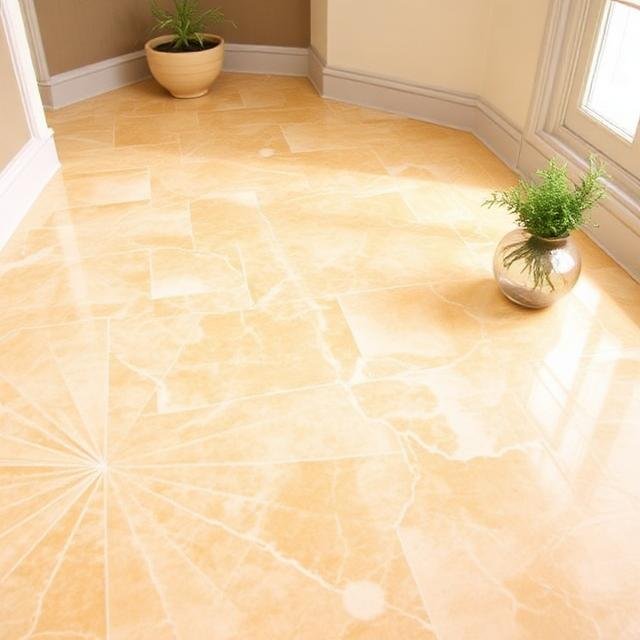
White cement after drying in uneven shades happens if the water and white cement powder ratio is not mixed perfectly.
- The Epoxy Difference: Brands like Laticrete Spectralock and MYK Laticrete offer factory-consistent colors. You can perfectly match the grey veining of Carrara marble or the warm gold of Calacatta without worrying about blotchy patches.
Comparison Table: Epoxy vs. White Cement
| Feature | White Cement | Epoxy Grout |
| Porosity | High (Stains easily) | Zero (Stain-proof) |
| Durability | Brittle (Cracks over time) | Extreme (Lasts decades) |
| Maintenance | Needs annual sealing | Maintenance-free |
| Water Resistance | Absorbs moisture | 100% Waterproof |
| Installation | DIY-friendly | Requires Pro skills |
Conclusion
While the upfront cost of epoxy grout is higher (roughly 3–5 times more than cement), the long-term value is undeniable. You save on professional cleaning, avoid the hassle of annual sealing, and protect the massive investment of your marble stone. For a high-end finish, Epoxy isn’t an option; it’s a necessity.
FAQs
Q: Can epoxy grout scratch my polished marble?
A: Standard sanded epoxy can be abrasive. For polished marble, always choose unsanded or fine-filler epoxy grout (like Laticrete PermaColor Select NS) to ensure a scratch-free finish.
Q: Does epoxy grout turn yellow?
A: Quality modern epoxies are UV-stable and don’t yellow like old-school versions. Unlike white cement, which yellows due to dirt absorption, epoxy stays true to its color.
Q: Can I install it myself?
A: Epoxy sets very quickly (often in 30–60 minutes). If you don’t clean the “haze” off the marble immediately, it can be permanent. It is best left to experienced professionals.

