
Makrana marble is not just a building material, but it is the symbol of Indian culture and heritage. Mined from the oldest quarry in Rajasthan, this stone is synonymous with durability, purity, and divine beauty.
Makrana marble is known for getting better with age, unlike other imported marbles that lose their sheen over time.
In this article we will walk you through the quality, pricing, and historical uses in India.
1. The Quality: Durability & Composition
Makrana marble is the best marble in the world due to its specially composed material, calcium carbonate. Italian marble is popular for its aesthetic pattern, while Makrana marble is revered for its structural integrity.
- Chemical Purity: Makrana marble is composed of 98% of Calcium Carbonate (CaCO). Due to the high content of calcium, the marble refrains from stains and causes yellowish due to weather changes.
- Water Resistance: It has the lowest water absorption rate among other marbles. It is not like Italian marble, as it is more porous in nature and requires regular sealing.
- Interlocking Structure: The Makrana marble is interlocked, not cemented; this geological feature makes it hard and strong, preventing it from crumbling and developing pinholes over the decades.
- No Pinholes: Makrana marble does not require chemical reinforcement or pinhole filling, as the pinhole is common for imported marbles.
Note: Because of its hardness, it is difficult to cut but holds intricate carvings exceptionally well.
2. Pricing Guide: From Budget to Luxury
The price range of Makrana marble varies depending on the whiteness and the pattern, the whiter the slab the more expensive it is:
| Variety | Price Range (per sq. ft.) | Characteristics |
| Makrana Kumari | ₹50 – ₹120 | The budget variety. Greyish white with significant figures/lines. Durable but less premium in look. |
| Makrana Dungri | ₹150 – ₹400 | The most popular choice. Milky white base with distinctive grey or black types of zebra patterns. |
| Makrana Albeta | ₹400 – ₹900 | Premium quality. White with very few, faint milky or brown veins. Highly sought after for luxury homes. |
| Makrana Pure White | ₹1,000 – ₹3,000+ | The “Sangemarmar”. flawless white with zero figures. Extremely rare and expensive. |
3. Historical Use in India
The durability of Makrana marble is best proven in Indian history. It can withstand centuries of heat, pollution, and rain while retaining its grandeur.
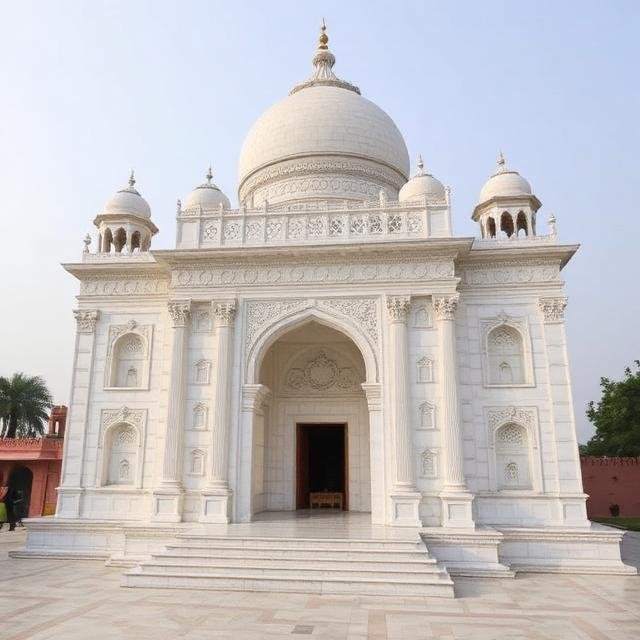
- The Taj Mahal (Agra): It was built in the 17th century. It is the ultimate testament to this stone; even after 400 years, the marble has retained its glow and translucency.
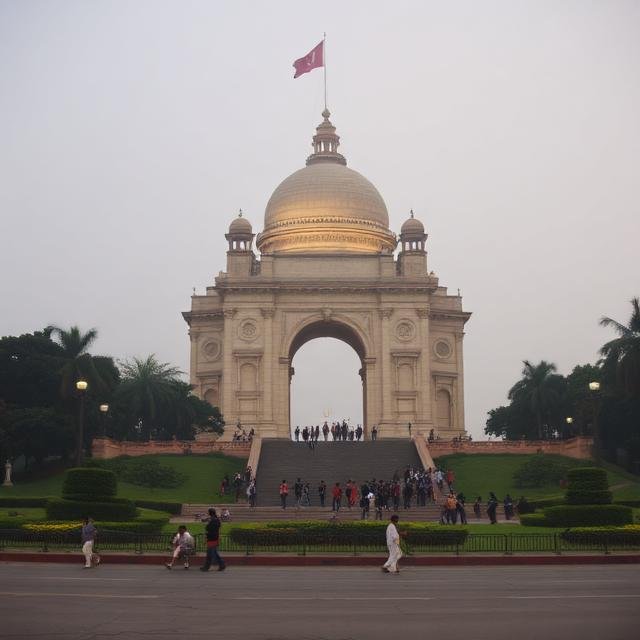
- Victoria Memorial (Kolkata): It was built in the 20th century, and the monument showcases how the Makrana marble can withstand the humid climate of Bengal.
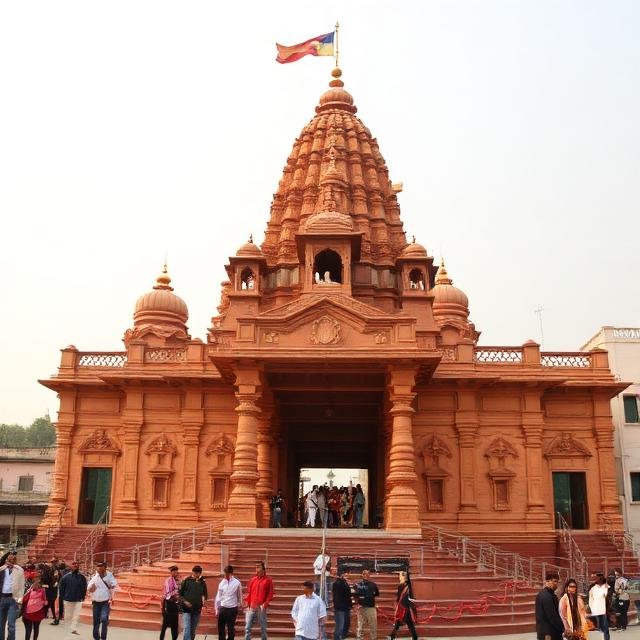
- Ayodhya Ram Mandir: In modern history, Ram Mandir and the main structure utilize the premium quality of Makrana marble because the engineers required a stone that would last for decades.
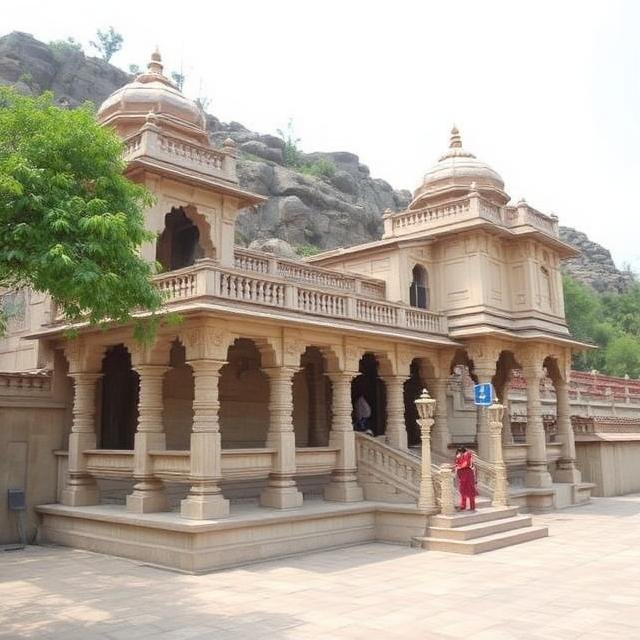
- Dilwara Temples (Mount Abu): Famous for arguably the most intricate marble carvings in the world. The marble can hold detailed carvings without breaking.
Conclusion
If you are looking for a stone that is strictly “fill it and shut it” for generations, Makrana is the superior choice over Italian alternatives. While it may lack the dramatic colors of imported stone, its pristine white elegance and inability to degrade make it a one-time investment for a lifetime.
FAQs
Q1: Does Makrana marble turn yellow over time?
No. High-quality Makrana marble (Albeta and Pure White) does not turn yellow. In fact, it tends to become whiter with age and regular cleaning.
Q2: Is Makrana marble slippery?
Like all polished stones, it can be slippery when wet. However, its natural grip is generally better than the glass-like finish of artificial tiles or softer Italian marbles.
Q3: How do I identify fake Makrana marble?
Genuine Makrana marble does not need fiber netting on the back to hold it together. If you see a slab with a net backing, it is likely not Makrana. Also, rubbing a piece of Makrana against another should emit a distinct smell of burnt lime.

