
Outdoor flooring does not just showcase the aesthetics; it is a battle against various elements like drastic changes in weather, water absorption, and excess of sunlight. Therefore, outdoor flooring must withstand the freezing winters, acidic rain, heavy traffic areas, and scorching sun. The two most commonly used natural stones are marble and granite. Both offer distinct features and performance. In this guide we will walk you through the difference between marble and granite for outdoor flooring for ultimate weather resistance.
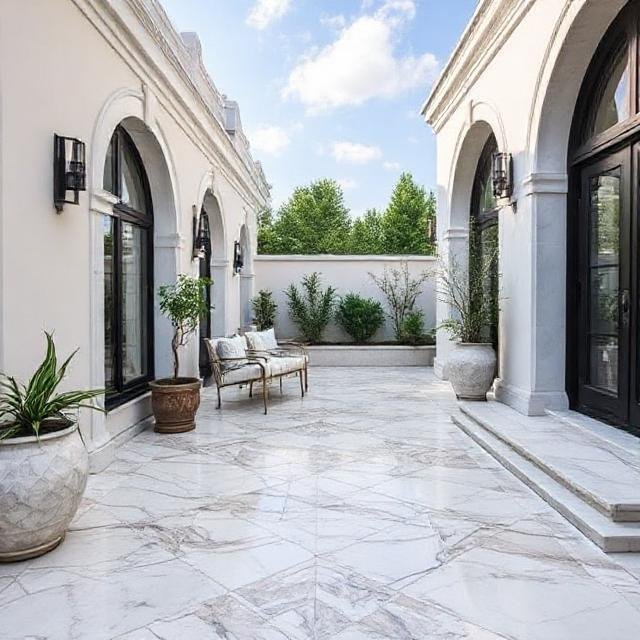
1. Weather Resistance and Durability
Granite is the clear heavyweight champion when it comes to surviving the outdoors.
- Composition: It is formed from cooling magma. The igneous rock is composed of quartz and feldspar. This makes it incredibly hard stone.
- Elements: It is resistant to harsh sunlight, freeze-thaw cycles, and water absorption.
- Acid Rain: It can resist acidic substances like acid rain and lemonade liquids and won’t etch the surface of granite easily.
Marble, while undeniable in its elegance, is softer and more vulnerable.
- Composition: A metamorphic rock primarily made of calcite. It is softer than granite.
- Elements: Marble is porous in nature and easily susceptible to water infiltration. It absorbs the water and can cause cracks on the stone.
- Fading: The dark-colored marbles easily get faded under direct sunlight over time.
Verdict: Granite is superior for high changes in weather resistance, especially in the regions where extreme seasonal changes occur.
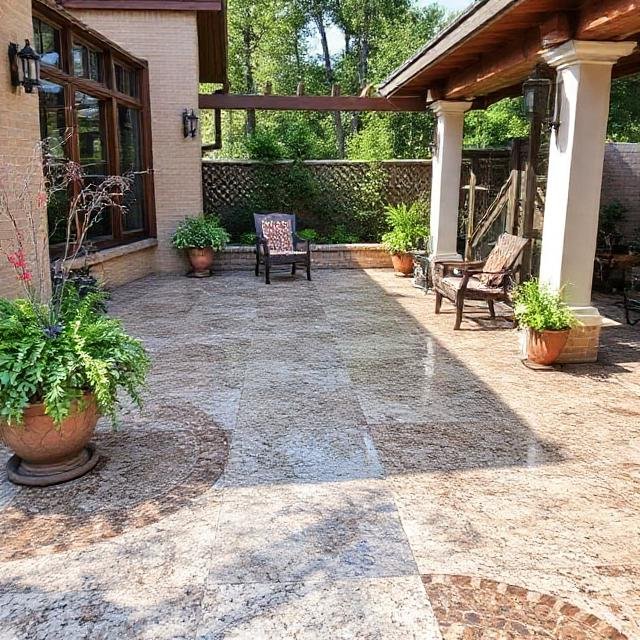
2. Surface Texture and Safety (Slipperiness)
Outdoor flooring must be slip-resistant, especially around pools or uncovered patios.
- Marble: The polished marble can be slippery when the surface is wet. For outdoors, you must use a honed or tumbled finish marble to avoid a slippery surface and provide grip. However, this honed finish alters the classic shiny surface of marble.
- Granite: It has a naturally grittier texture. Outdoor granite is often finished with a bush-hammered texture or flamed texture. This creates a highly non-slipery surface that helps to retain the color and character.
3. Maintenance and Staining
- Granite: Dark granites are very dense in nature and may not even require sealing. However, sealing is recommended at least once yearly.non-slippery It can resist the scratches from patio furniture and pet claws.
- Marble: It requires high maintenance; a regular sealing is required every 6-8 months to prevent stains from dirt and spills. It can easily react to acids, tomato slices, lemon juice, or bird droppings. This can leave a permanent dark mark on the surface if it is not cleaned immediately.
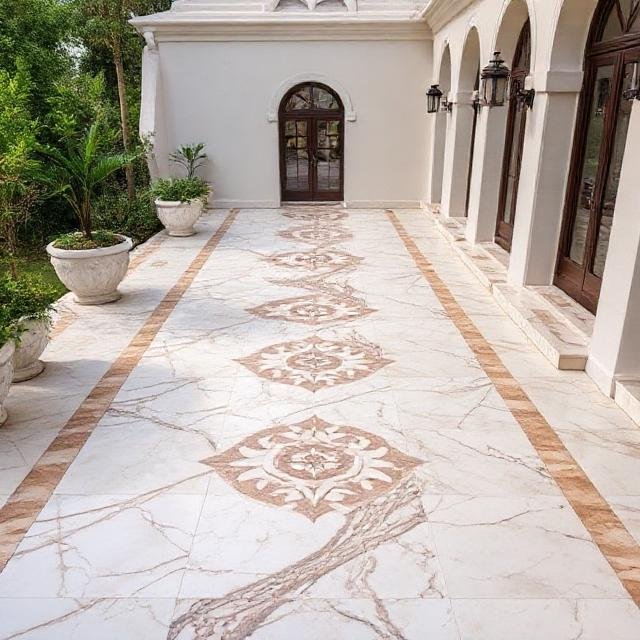
4. Aesthetics and Cost
- Aesthetics: Marble is often considered to have a luxurious appeal, flowing veins, and a high-end resort feel. While granite offers a speckled and earthy look that hides dirt very well.
- Cost: Generally, granite is more cost-effective for outdoor use because it is abundant and harder to damage during installation. While marble is often pricier, and the “lifetime cost” is higher due to the frequent sealing and professional cleaning required.
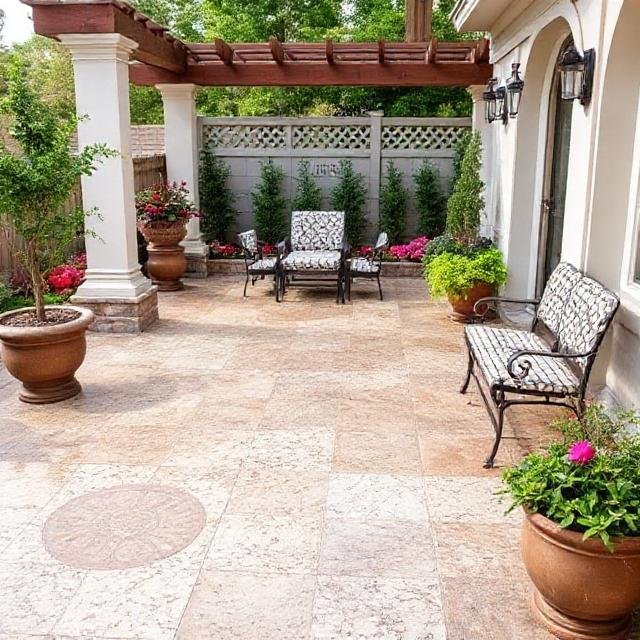
Conclusion: Which is Better?
For 90% of outdoor applications, Granite is the better choice. It withstands the elements, resists fading, requires less maintenance, and offers superior slip resistance.
Choose Granite if:
- You live in an area with freeze-thaw cycles or heavy rain.
- You want a low-maintenance patio that can handle BBQ grease and furniture drags.
- You prefer a non-slip surface for safety.
Choose Marble if:
- You are in a mild climate with no freezing temperatures.
- The area is covered/shaded (lanai or covered porch) to protect from acid rain and direct UV.
- You are committed to regular sealing and maintenance for that specific high-end aesthetic.
Frequently Asked Questions (FAQs)
Q: Does granite get hot in the sun?
A: Yes, dark granite can get very hot. To combat this, choose lighter shades of granite (like grey or beige) and textured finishes, which tend to stay cooler than polished black surfaces.
Q: Can I use polished marble outdoors?
A: It is highly discouraged. Polished marble becomes dangerously slippery when wet and the polish will wear off quickly due to weathering, leaving patchy dull spots.
Q: How often should I seal outdoor granite?
A: Typically once every 1-2 years. You can test it by pouring a bit of water on the stone; if it darkens immediately, it needs sealing.

